
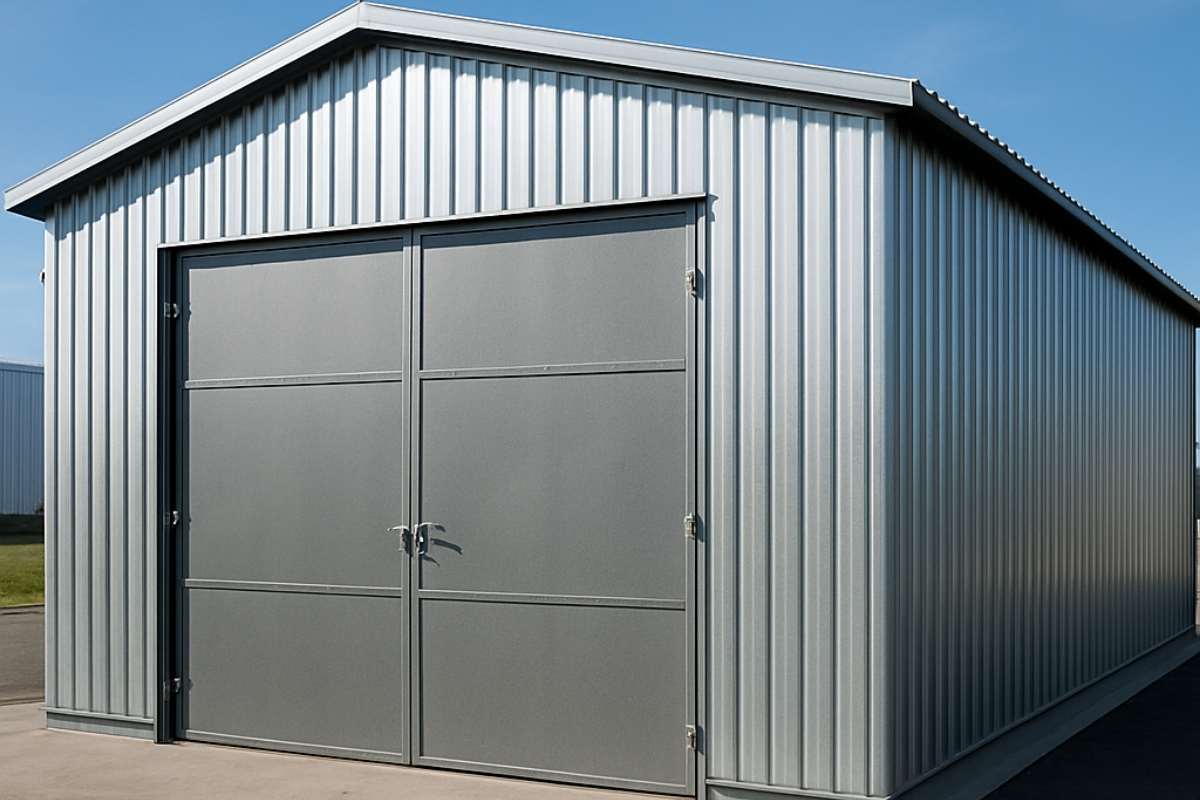
A metal garage offers durability and low maintenance compared to many traditional building materials. However, while metal structures are noncombustible, they are not automatically fireproof. Heat can weaken metal. Stored items can ignite. Poor planning can turn a garage into a serious fire hazard. Fireproofing a metal garage is not only about protecting property but also about safeguarding lives and meeting insurance requirements that can affect coverage and premiums.
As fire safety standards become more rigorous, homeowners and property managers are expected to take proactive measures to reduce fire risk. Insurance companies increasingly assess how well garages are protected against fire before determining policy terms. Strengthening fire resistance in a metal garage can improve safety, reduce liability, and ensure compliance with building codes and insurer expectations, all while preserving the value of the structure.
How Do Fire Risks Commonly Start in Garages
Garage fires often begin due to electrical faults, improper storage of flammable liquids, unattended power tools, or malfunctioning appliances. Welding, grinding, and other mechanical work can also produce sparks that ignite combustible materials.
Fuel spills, oily rags, and cluttered storage increase the likelihood of fire spreading rapidly. Poor ventilation can trap heat and fumes, creating an environment where a small spark escalates into a dangerous blaze. Understanding these risks is the first step toward implementing effective fireproofing strategies.
What Role Does Insulation Play in Fire Resistance
Insulation is a key factor in controlling heat transfer and slowing fire spread. Fire-rated insulation materials such as mineral wool or fire-resistant foam can help contain heat and prevent flames from reaching structural components.
Using insulation with a high fire resistance rating provides an added layer of protection while improving energy efficiency. Properly installed insulation can delay structural failure, giving occupants more time to respond and reducing overall damage.
How Can Fire-Rated Wall and Ceiling Panels Improve Safety
Installing fire-rated wall and ceiling panels enhances the garage’s ability to withstand high temperatures. Materials such as fire-resistant drywall, cement board, or treated metal panels can help prevent flames from spreading quickly.
These panels act as thermal barriers that slow heat penetration and protect critical structural elements. Upgrading interior surfaces with fire-rated materials is a practical step toward improving safety and meeting insurance standards.
Why Is Proper Storage of Flammable Materials Essential
One of the most effective fire prevention measures is the proper storage of flammable substances. Gasoline, propane tanks, paint, and chemicals should be stored in approved containers and kept away from heat sources.
Designated storage cabinets designed for flammable materials offer additional protection by limiting exposure to sparks and high temperatures. Keeping hazardous substances organized and isolated reduces the risk of accidental ignition.
How Do Electrical Systems Contribute to Fire Safety
Faulty wiring is a common cause of garage fires. Ensuring that electrical systems are installed and maintained according to code is critical for fire prevention. Overloaded outlets, damaged cords, and outdated panels can create dangerous conditions.
Hiring a licensed electrician to inspect wiring, upgrade circuit breakers, and install ground fault protection improves safety. Using certified fixtures and avoiding makeshift electrical solutions reduces the likelihood of electrical-related fires.
What Fire-Resistant Flooring Options Are Available
Flooring materials can influence how a fire spreads and how easy it is to manage spills or combustible debris. Concrete floors are highly fire-resistant and easy to clean, making them an ideal choice for metal garages.
Applying fire-resistant coatings or sealants can further enhance durability and safety. These finishes help contain spills, reduce dust accumulation, and make it easier to remove flammable residues that could ignite.
How Can Fire-Rated Doors Improve Protection
Fire-rated doors are designed to resist heat and flames for a specified period, helping to contain fires within a confined space. Installing fire-rated doors between a garage and the main building reduces the risk of fire spreading into living areas.
Sealed door frames and self-closing mechanisms improve performance by preventing smoke and heat from escaping. This upgrade is often recommended or required by building codes and insurance providers.
Why Is Ventilation Important for Fire Prevention
Proper ventilation helps prevent the buildup of heat, fumes, and combustible vapors. Garages that store vehicles or fuel-producing equipment benefit from well-designed airflow systems that disperse flammable gases.
Installing vents, exhaust fans, or louvered openings reduces the concentration of volatile substances. Effective ventilation also improves air quality and reduces the likelihood of explosive conditions.
How Do Fire Suppression Systems Enhance Safety
Fire suppression systems provide an active line of defense against fires. Sprinkler systems, fire extinguishers, and fire blankets can limit damage and improve response time during an emergency.
Keeping fire extinguishers accessible and properly maintained ensures quick action in case of ignition. For larger garages or commercial properties, installing automatic suppression systems can significantly reduce fire-related losses.
What Role Do Smoke and Heat Detectors Play
Early detection is crucial for preventing small incidents from becoming major fires. Installing smoke detectors and heat sensors inside a metal garage provides an early warning system that alerts occupants to danger.
Regular testing and battery replacement ensure reliable operation. Integrating detectors with home security or alarm systems enhances overall safety and provides timely alerts.
How Can Fire-Resistant Coatings Protect Metal Surfaces
Applying intumescent or fire-resistant coatings to metal surfaces helps protect structural integrity during a fire. These coatings expand when exposed to heat, forming an insulating layer that slows temperature rise.
Fire-resistant paint and sealants are commonly used in industrial and residential settings to improve fire performance. Investing in protective coatings extends the life of the structure while enhancing safety compliance.
Why Should Work Areas Be Designed with Fire Safety in Mind
Many garages serve as workshops for mechanical, woodworking, or crafting activities. Designing work areas with fire safety considerations reduces risk and improves usability.
Keeping welding equipment, grinders, and power tools away from flammable storage minimizes ignition potential. Fire-resistant work surfaces and spark shields add another layer of protection in high-risk zones.
How Does Decluttering Reduce Fire Hazards
Cluttered garages increase fire risk by providing additional fuel for flames and obstructing access to exits or fire suppression equipment. Organizing tools, equipment, and storage bins helps maintain clear pathways and reduces combustible buildup.
Using metal shelving and storage cabinets improves fire resistance compared to plastic or wood alternatives. Maintaining a clean and organized environment contributes significantly to overall safety.
What Insurance Requirements Apply to Fireproofing a Garage
Insurance providers often assess fire risk when determining coverage terms. Factors such as fire-rated materials, electrical safety, and suppression systems can influence premiums and policy eligibility.
Some insurers require proof of compliance with local fire codes or documented safety upgrades. Implementing fireproofing measures can lead to lower premiums and stronger coverage protection.
How Do Local Building Codes Affect Fireproofing Standards
Building codes establish minimum fire safety requirements for structures, including garages. These regulations may specify insulation ratings, door requirements, ventilation standards, and distance from other buildings.
Consulting local authorities or building professionals ensures that upgrades meet legal requirements. Compliance not only improves safety but also prevents fines, delays, or insurance complications.
Why Is Structural Reinforcement Important in Fire Scenarios
Extreme heat can weaken metal framing, causing deformation or collapse. Reinforcing structural components with fire-resistant materials helps maintain stability during a fire.
Using thicker gauge steel, adding protective cladding, or installing fire-resistant barriers enhances structural resilience. These measures provide additional time for evacuation and emergency response.
How Can Exterior Fireproofing Reduce Risk from Nearby Fires
External fire threats, such as wildfires or neighboring property fires, can impact a metal garage. Applying fire-resistant siding, roofing, and perimeter landscaping reduces vulnerability.
Clearing vegetation and maintaining defensible space around the structure limits exposure to external flames. Exterior fireproofing strengthens overall resilience and protects against environmental risks.
What Maintenance Practices Support Long-Term Fire Safety
Fireproofing is most effective when combined with consistent maintenance. Regular inspections of wiring, insulation, ventilation, and storage practices help identify potential hazards before they escalate.
Replacing worn seals, cleaning vents, and checking fire suppression equipment ensures that safety systems remain functional. Ongoing upkeep preserves both fire resistance and property value.
How Can Technology Improve Fire Monitoring and Prevention
Smart technology offers new tools for monitoring fire risk in garages. Wireless smoke detectors, temperature sensors, and automated alerts provide real-time notifications in case of unusual heat or smoke.
Remote monitoring systems allow property owners to track safety conditions even when off-site. Integrating technology enhances preparedness and provides peace of mind.
Why Does Fireproofing Increase Property Value
A fireproofed garage represents a safer and more resilient investment. Buyers and insurers view fire-resistant features as valuable assets that reduce risk and long term maintenance costs.
Enhanced safety, lower insurance premiums, and compliance with modern standards contribute to higher resale value. Fireproofing is both a protective measure and a strategic property improvement.
How Should Property Owners Plan a Fireproofing Upgrade
Planning begins with a thorough assessment of current conditions and potential risks. Consulting fire safety professionals, electricians, and building inspectors provides insight into necessary improvements.
Creating a phased upgrade plan allows property owners to prioritize critical safety measures while managing costs. Strategic planning ensures that investments deliver maximum protection and compliance benefits.
Conclusion
Fireproofing a metal garage is a proactive step that enhances safety, protects valuable assets, and aligns with insurance and building requirements. Although metal structures offer inherent advantages, they still require thoughtful design, proper materials, and responsible storage practices to minimize fire risk.
Taking a comprehensive approach that includes insulation upgrades, electrical safety improvements, fire-resistant coatings, and suppression systems creates a more secure environment. With careful planning and consistent maintenance, a fireproofed metal garage can provide long term peace of mind, improved insurance standing, and a safer property for years to come.