
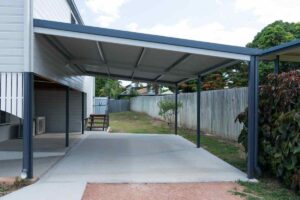
As cycling continues to grow as a preferred mode of transportation, the need for practical bicycle infrastructure has become increasingly important. Bicycles are valuable investments, often customized. Yet, they are frequently stored in locations that leave them exposed to sun, rain, dust, and theft. Traditional garages are not always available, especially in urban settings where space is limited. This gap has led many homeowners to rethink how existing structures can be adapted to better support cycling lifestyles.
Carports offer an effective solution. Carports can be easily transformed into shaded bicycle storage and repair stations that protect bikes from the elements. A carport can serve as a secure hub for daily commuters, weekend riders, and cycling enthusiasts alike. By combining shade, airflow, organization, and durability, carports can evolve into purpose-driven spaces that promote cycling culture and extend the lifespan of bicycles.
Why Are Carports Suitable for Bicycle Storage and Repair?
Carports are inherently well-suited for bicycle use because they provide overhead protection while remaining open and accessible. Unlike enclosed garages, carports allow for natural ventilation, which is beneficial when working with lubricants, cleaners, and solvents commonly used in bike maintenance. The open sides also make it easy to roll bicycles in and out without navigating tight doorways or confined spaces.
From a structural standpoint, carports are designed to handle outdoor exposure and regular use. Their durable framing and roofing materials withstand weather while offering a stable platform for mounting hooks, racks, and work surfaces. This combination of shelter and openness makes carports ideal for storing bicycles and performing repairs without the need for extensive construction.
How Does Shade Improve Bicycle Longevity?
Shade is one of the most critical factors in preserving bicycle components. Prolonged exposure to direct sunlight can degrade tires, grips, saddles, and paint finishes. Ultraviolet radiation accelerates rubber cracking, fades colors, and weakens plastics over time. By storing bicycles under a shaded carport, riders significantly reduce these forms of damage.
Shaded environments also help regulate temperature. Excessive heat can affect tire pressure, lubricants, and suspension components. A carport creates a cooler, more stable environment that protects sensitive parts and keeps bicycles in better working condition between rides.
What Design Considerations Matter Most for Bicycle-Focused Carports?
When adapting a carport for bicycle use, layout and clearance are key considerations. Bicycles require less space than cars, but they benefit from thoughtful spacing to prevent accidental bumps and scratches. Vertical and horizontal storage options should be planned to accommodate different bike sizes and styles.
Roof height and overhang also matter. Adequate headroom ensures comfortable movement and safe lifting of bikes onto hooks or stands. Extended roof edges provide additional shade and protection from angled rain, further enhancing the carport’s effectiveness as a storage and repair area.
How Can Carports Be Organized for Efficient Bicycle Storage?
Efficient storage begins with understanding how bicycles will be used. Daily commuters may need quick access, while recreational riders may prioritize long-term storage. Wall-mounted racks, ceiling hooks, and freestanding stands can be arranged to maximize capacity without overcrowding the space.
Keeping bicycles off the ground reduces clutter and protects frames and components from moisture and dirt. Clear pathways should be maintained to allow easy movement and prevent accidents. An organized carport not only stores bikes safely but also makes maintenance tasks faster and more enjoyable.
Why Is Accessibility Important for Bicycle Repair Stations?
Accessibility is crucial when using a carport as a repair station. Repairs often involve lifting, rotating, or adjusting bicycles, which requires open floor space and unobstructed access. A carport’s open design makes it easier to position bikes on repair stands and move around them comfortably.
Accessible layouts also support inclusivity. Riders of different ages and physical abilities benefit from spaces that are easy to enter, navigate, and use. By minimizing barriers and optimizing flow, carports become welcoming repair environments for a wide range of cyclists.
How Does Natural Ventilation Support Maintenance Work?
Natural ventilation is a major advantage of carports compared to enclosed structures. Bicycle maintenance often involves lubricants, degreasers, and cleaning agents that produce fumes. Open-sided carports allow these fumes to dissipate quickly, creating a safer and more comfortable workspace.
Ventilation also helps surfaces dry faster after washing bikes or cleaning parts. This reduces the risk of rust and corrosion while speeding up maintenance routines. In warmer climates, airflow keeps the space cooler and more pleasant during extended repair sessions.
What Role Does Lighting Play in Bicycle Repair Stations?
Good lighting is essential for detailed repair work. While carports provide natural daylight, supplemental lighting is often needed for early mornings, evenings, or overcast days. Proper lighting ensures that small components, wear points, and alignment issues are clearly visible.
Lighting fixtures should be positioned to minimize shadows and glare. Task lighting near workbenches and repair stands improves precision, while general overhead lighting enhances overall visibility. Well-lit carports increase safety and make maintenance tasks more efficient.
How Can Work Surfaces Be Integrated Into a Carport?
A dedicated work surface transforms a simple storage area into a functional repair station. Workbenches provide space for tools, parts, and manuals, making repairs more organized and efficient. In carports, benches can be wall-mounted or freestanding, depending on available space.
Durable materials such as treated wood or metal surfaces are well-suited for outdoor conditions. Placing work surfaces near storage racks reduces the need to move bikes long distances during repairs, improving workflow and convenience.
Why Is Tool Storage Essential for a Bicycle Repair Carport?
Tool organization is critical for maintaining efficiency and preventing loss. Bicycle repair involves specialized tools such as hex keys, torque wrenches, and chain tools. Keeping these items organized and protected extends their lifespan and ensures they are always ready for use.
Carports can accommodate tool storage through cabinets, pegboards, or lockable chests. Weather-resistant storage solutions protect tools from moisture and dust while maintaining easy access. A well-organized tool area supports smoother and more enjoyable repair experiences.
How Can Flooring Choices Affect Bicycle Maintenance?
The floor surface under a carport influences comfort, cleanliness, and safety. Smooth, durable flooring makes it easier to roll bikes and maneuver repair stands. It also simplifies cleanup after maintenance tasks.
Concrete is a common choice, but it can be enhanced with coatings that resist stains and improve traction. Proper flooring reduces fatigue during long repair sessions and protects dropped tools or parts from damage.
What Security Measures Are Important for Bicycle Storage?
Bicycles are valuable and often targeted for theft. While carports are open structures, security measures can still be integrated effectively. Locking racks, anchor points, and reinforced posts provide secure attachment options for bikes.
Lighting and visibility also play a role in deterrence. Well-lit carports discourage unauthorized access, while strategic placement near occupied areas increases oversight. Thoughtful security design balances accessibility with protection.
How Can Weather Protection Be Enhanced Beyond Basic Roofing?
While carports provide overhead shelter, additional measures can improve weather protection. Side panels or partial enclosures shield bicycles from wind-driven rain, dust, and debris. These features can be fixed or adjustable to suit changing conditions.
Proper drainage around the carport prevents water accumulation and splashing that could reach stored bikes. Enhanced weather protection extends the usability of the space and keeps bicycles cleaner and drier.
What Materials Are Best for Bicycle-Focused Carports?
Material choice affects durability, maintenance, and aesthetics. Metal carports are popular for their strength and longevity, while wood structures offer a warmer visual appeal. Each material can be adapted to bicycle storage with proper treatment and design.
Weather-resistant finishes and corrosion protection are important, especially in humid or coastal areas. Selecting materials that withstand environmental conditions ensures that the carport remains functional and attractive over time.
How Can Carports Support Community Cycling Initiatives?
Beyond individual use, carports can serve as shared bicycle hubs for communities, workplaces, or schools. Shaded storage and repair stations encourage cycling by making it more convenient and accessible. These spaces foster a sense of community among riders.
Community carports can host maintenance workshops, safety checks, or group rides. By providing a central location for bicycle care, carports support healthier lifestyles and sustainable transportation choices.
Why Is Flexibility Important in Carport Design?
Cycling needs evolve over time. New bikes, accessories, or repair practices may require changes to the space. Carports offer flexibility because their open design allows for easy reconfiguration.
Modular storage systems, movable benches, and adjustable racks accommodate changing requirements. Flexible design ensures that the carport remains useful as cycling habits and technologies develop.
How Can Carports Be Adapted for Electric Bicycles?
Electric bicycles introduce additional considerations such as charging and battery storage. Carports can be equipped with weather-protected outlets and secure charging stations to support these needs.
Proper ventilation is especially important for battery safety. By accommodating electric bikes, carports remain relevant as cycling technology advances and adoption increases.
What Maintenance Is Required to Keep the Carport Functional?
Regular maintenance ensures that the carport continues to protect bicycles effectively. This includes inspecting roofing, fasteners, and structural components for wear or damage. Keeping the area clean and organized also contributes to usability.
Addressing small issues promptly prevents larger problems and extends the lifespan of both the carport and the bicycles it shelters. Maintenance routines are generally simple but essential for long-term performance.
How Does Aesthetics Influence Bicycle Storage Spaces?
Aesthetics may seem secondary, but they influence how often a space is used. An inviting, well-designed carport encourages riders to store and maintain their bikes properly rather than leaving them exposed or neglected.
Matching the carport’s appearance to the surrounding architecture or landscaping creates a cohesive look. Thoughtful design elevates the carport from a utilitarian structure to a valued part of the property.
How Can Carports Encourage Regular Bicycle Maintenance?
Convenient repair stations make maintenance more approachable. When tools and space are readily available, riders are more likely to perform routine checks and repairs. This leads to safer riding conditions and longer equipment life.
Carports remove common barriers to maintenance, such as a lack of space or poor weather. By making bicycle care easier, they promote consistent upkeep and better performance.
Conclusion
Carports offer a versatile and practical solution for shaded bicycle storage and repair stations. Their open design, durability, and adaptability make them ideal for protecting bicycles from the elements while providing functional spaces for maintenance and customization. With thoughtful planning, carports can support everything from daily commuting needs to community cycling initiatives.
As cycling continues to grow in popularity, reimagining carports as bicycle-focused spaces adds value to properties and promotes healthier, more sustainable lifestyles. By integrating shade, organization, ventilation, and security, carports become more than shelters. They become essential infrastructure for modern cycling culture.