
Below each metal building is a support system that holds it all together, ensuring that these structures will stand the test of time. It is the first, and perhaps the most important part, of constructing a metal building that builders plan for.
Introduction to Concrete Slab Foundations
When constructing a metal building, one of the most important decisions involves choosing the right type of foundation.
The foundation supports the entire structure and significantly affects its stability, durability, and longevity. Among the different foundation types available, the concrete slab foundation has emerged as a popular and practical choice for metal buildings across a variety of applications. It offers a simple yet highly effective base that ensures structural integrity and supports the diverse functions that metal buildings often serve.
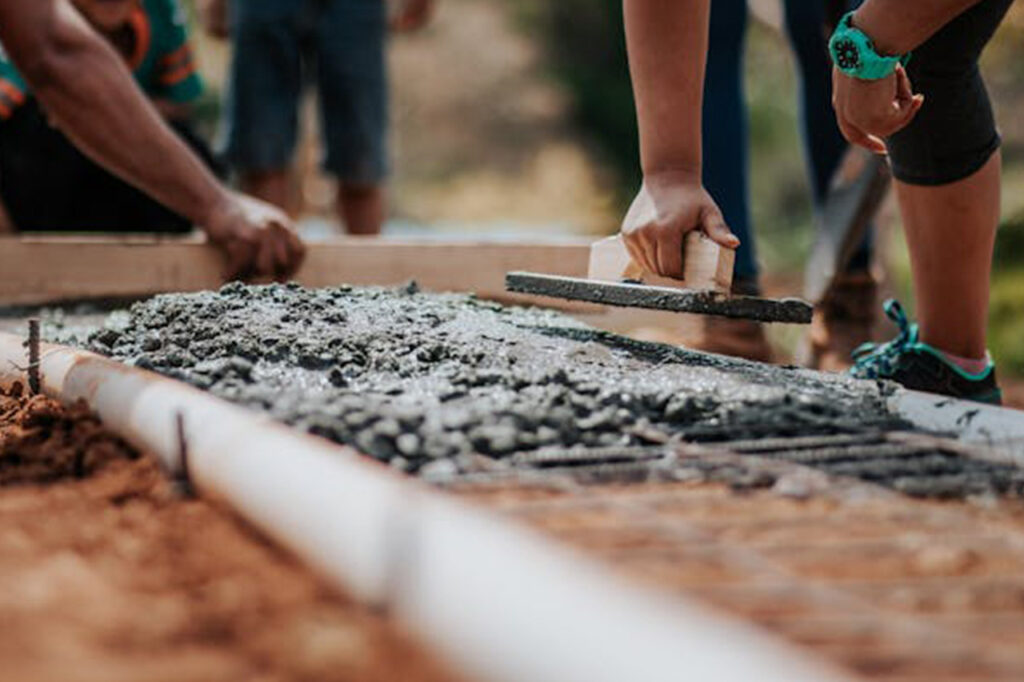
A concrete slab foundation consists of a single, solid layer of concrete poured directly onto the prepared ground. This foundation type is generally reinforced with steel rebar or wire mesh to increase its strength and load-bearing capacity. Ideal for garages, storage units, agricultural buildings, workshops, and warehouses, the concrete slab is versatile, cost-efficient, and easy to maintain. It has become the preferred foundation for builders seeking efficiency without sacrificing quality.
Structural Integrity and Strength
A key benefit of using a concrete slab foundation for a metal building lies in its outstanding structural strength. Concrete, as a material, is capable of handling high levels of compression. When reinforced properly, it offers reliable support to the metal framework placed on top of it. This foundation type is particularly advantageous in regions where soil movement is minimal, as it provides a stable and continuous surface that evenly distributes the weight of the entire structure.
The slab’s monolithic nature minimizes the chances of shifting or settling, which can compromise the alignment and stability of the metal building. It serves as a sturdy anchor that resists movement during strong winds, heavy rain, and minor seismic activity. This level of stability enhances the lifespan of the metal structure and reduces the likelihood of future repairs due to foundational failure.
Ease of Installation and Faster Project Timelines
Another major advantage of concrete slab foundations is the relative speed and simplicity of installation. Once the site is cleared and properly leveled, the formwork can be placed and the concrete poured and finished in a matter of days. The curing process usually takes a week or more, depending on weather conditions, but this timeline is still shorter compared to other foundation types like perimeter wall or pier systems.
This rapid installation allows construction to move forward quickly. Because many metal building kits are designed for quick assembly, having a ready-to-use foundation accelerates the overall project timeline. Contractors appreciate the simplicity of working with slab foundations, which streamlines scheduling and coordination between excavation, concrete pouring, and metal building assembly.
Cost Efficiency and Affordability
Concrete slab foundations are among the most cost-effective options for supporting metal buildings. They typically require fewer materials and less labor than more complex foundations, resulting in lower upfront construction costs. The simplicity of the design also reduces the likelihood of construction errors, which can lead to budget overruns.
In terms of long-term savings, slab foundations require minimal maintenance compared to other foundation types. There are no crawlspaces to inspect, clean, or ventilate, and the risk of structural issues like rot or pest infestations is significantly lower. The durability of concrete also ensures that the foundation remains functional for decades, providing long-lasting value to property owners.
Low Maintenance and Longevity
Once installed, a concrete slab foundation requires very little maintenance. Regular cleaning and visual inspections are typically sufficient to ensure its continued performance. Its resistance to moisture, pests, and fire makes it an exceptionally resilient base for any metal building.
Unlike wooden foundations that may rot or warp over time, a properly poured and cured concrete slab remains stable and strong for many years. When reinforced and sealed properly, it can even withstand temperature fluctuations and the freeze-thaw cycles that often plague other materials. These properties contribute to its longevity, making it a smart investment for both short-term functionality and long-term reliability.
Versatility in Usage and Design
A concrete slab foundation offers unmatched versatility in its application. It can support a wide range of metal building types, from small backyard sheds to large commercial warehouses. It also provides a flat, level surface that can serve as a finished floor without requiring additional flooring materials.
Design-wise, the slab can be customized in terms of thickness, reinforcement, and finish to meet specific needs. For example, buildings that will house heavy equipment can have thicker slabs with higher load-bearing capacity. Decorative finishes such as staining or polishing can be added for aesthetic purposes, especially in commercial or public-facing buildings.
Improved Moisture and Pest Resistance
Concrete naturally resists moisture infiltration, especially when sealed and properly sloped to direct water away from the building. This is particularly beneficial for metal structures that may otherwise suffer from corrosion or interior moisture damage. Moisture control also helps in maintaining a stable internal environment, which is crucial for storing sensitive equipment or materials.
Additionally, concrete slabs offer a significant barrier against pests such as rodents, termites, and insects. There are no crawlspaces or gaps for pests to nest in, which helps to protect the building and its contents. This makes concrete slab foundations ideal for agricultural metal buildings where protection against pests is essential.
Enhanced Energy Efficiency and Insulation Options
Concrete slab foundations contribute to energy efficiency when paired with proper insulation techniques. Slabs can be insulated both above and below to reduce heat loss in colder climates or prevent heat gain in warmer regions. This creates a more thermally stable environment inside the metal building, which can lower heating and cooling costs.
Radiant heating systems can also be embedded in concrete slabs, offering an efficient and comfortable heating option. This is especially useful in metal buildings used as workshops, offices, or residential spaces. The thermal mass of concrete further helps regulate interior temperatures by absorbing and slowly releasing heat.
Minimal Site Disruption and Environmental Impact
Compared to other foundation types that require deep excavation or large volumes of materials, concrete slab foundations involve relatively minimal site disruption. The excavation needed is shallow, and the materials used are often available locally. This makes the installation process less invasive and more environmentally friendly.
Using a concrete slab can also support sustainable building practices. Materials like recycled aggregates and environmentally friendly concrete mixes are now widely available. These contribute to lower carbon footprints and can help property owners meet green building standards or certifications.
Improved Accessibility and Usability
Because concrete slabs are level with the ground, they enhance accessibility. This is particularly important for facilities that require ADA compliance or easy movement of vehicles and equipment. There are no steps or elevation changes to navigate, which improves safety and usability for people and machinery alike.
A flat foundation also makes interior layout and organization simpler. Racks, shelving units, machinery, and office partitions can be installed directly on the surface without needing additional subfloors or adjustments. This makes concrete slab foundations a practical choice for industrial and commercial applications.
Compatibility With Prefabricated Metal Building Kits
Most prefabricated metal building kits are designed with concrete slab foundations in mind. The frames, anchor systems, and structural components often align perfectly with the flat, level surface provided by the slab. This compatibility streamlines the construction process and reduces the risk of installation errors.
The standardized nature of metal building kits also allows for quick and accurate placement of anchor bolts during the slab pour. This integration ensures the entire structure remains secure and aligned, preventing costly corrections later in the construction process.
Conclusion: A Smart Foundation Choice for Modern Needs
The concrete slab foundation has proven itself to be an outstanding base for metal buildings of all types and sizes. Its combination of strength, affordability, ease of installation, and low maintenance make it an ideal choice for modern builders and property owners alike. From supporting heavy industrial facilities to housing personal garages and workshops, the concrete slab delivers unmatched performance across a wide range of applications.
Choosing the right foundation is a critical step in any construction project. A concrete slab foundation not only meets the structural demands of metal buildings but also enhances their functionality, comfort, and efficiency. With proper planning, design, and installation, it provides a rock-solid base that will support your investment for decades to come.