
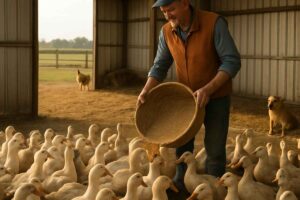
Barns have long been associated with agriculture, storage, and livestock housing, but in recent years their role has expanded far beyond traditional farming. Across rural and semi-rural landscapes, barns are being repurposed into spaces that serve broader social and environmental needs. One of the most impactful transformations is the use of barns as animal rescue and rehabilitation centers. These structures offer the space, flexibility, and durability required to care for animals that have been abandoned, injured, neglected, or displaced due to disasters and habitat loss.
Animal rescue and rehabilitation demand environments that balance safety, functionality, and adaptability. Barns are uniquely suited to meet these demands because they can accommodate a wide range of animal sizes, medical needs, and recovery stages. Barns can become compassionate sanctuaries where animals heal physically and behaviorally before being returned to the wild. This article from the experts at Lion Barns explores how barns can be effectively designed, managed, and operated as animal rescue or rehabilitation centers.
Why Are Barns Well Suited for Animal Rescue and Rehabilitation?
Barns are inherently designed to house animals, making them a natural starting point for rescue and rehabilitation work. Their open floor plans allow for flexible layouts that can be adjusted as needs change. This adaptability is essential in rescue operations, where animal populations fluctuate, and cases vary widely in severity.
Structurally, barns are built to withstand heavy use, moisture, and environmental exposure. These qualities support long-term operation and frequent cleaning, which are critical for maintaining animal health. The separation from residential areas also reduces noise conflicts and provides a calmer environment for stressed or recovering animals.
What Types of Animals Can Be Supported in Barn-Based Facilities?
Barns can support a wide spectrum of animals depending on their size, behavior, and care requirements. Domestic animals such as dogs, cats, horses, goats, and livestock are commonly housed in barn-based rescues. Wildlife rehabilitation centers also utilize barns to care for birds, small mammals, and even larger native species during recovery.
The versatility of barn spaces allows different species to be housed in separate zones, reducing stress and preventing cross-contamination. With proper enclosure design and environmental controls, barns can accommodate animals with very different needs under one roof.
How Does Barn Layout Influence Animal Welfare?
Layout plays a crucial role in animal welfare within rescue and rehabilitation centers. Clear separation between intake areas, quarantine zones, medical treatment spaces, and recovery enclosures helps reduce disease transmission and stress. Barns provide enough square footage to create these functional zones without crowding.
Flow and visibility are also important. Caregivers must be able to observe animals easily while minimizing unnecessary human intrusion. Proper layout supports efficient care routines and allows animals to feel secure while still being monitored closely.
Why Is Quarantine Space Essential in Animal Rescue Barns?
Quarantine areas are critical for protecting both rescued animals and long-term residents. Newly arrived animals often have unknown medical histories and may carry contagious illnesses. Barns can be partitioned to create isolated spaces where animals are assessed and treated before joining the general population.
These quarantine zones should be easy to clean, well-ventilated, and physically separated from other areas. Having adequate quarantine capacity ensures that rescues can respond quickly to emergencies without compromising overall facility health.
How Can Barns Be Adapted for Veterinary Care and Treatment?
Effective rehabilitation often requires on-site medical care. Barns can be adapted to include treatment rooms, examination areas, and recovery stalls. These spaces must support sanitation, lighting, and access to medical equipment.
Design considerations include smooth, non-porous surfaces, reliable water access, and sufficient electrical capacity. While barns may not replace full veterinary clinics, they can be equipped to handle routine care, minor procedures, and post treatment monitoring.
What Role Does Ventilation Play in Animal Health?
Ventilation is vital for maintaining air quality and preventing respiratory issues. Barns traditionally rely on natural airflow, which can be enhanced through proper placement of openings, vents, and fans. Good ventilation removes odors, moisture, and airborne pathogens that can harm animals and caregivers.
In rehabilitation settings, ventilation must be carefully balanced to avoid drafts that stress animals. Adjustable systems allow airflow to be tailored to seasonal conditions and species-specific needs.
How Can Temperature Control Be Managed in Barn Rescue Centers?
Different animals require different temperature ranges for comfort and recovery. Barns can be insulated and equipped with heating or cooling systems to maintain stable indoor conditions. This is especially important for young, injured, or sick animals that cannot regulate body temperature effectively.
Passive strategies such as insulation, shading, and orientation reduce energy demands, while targeted heating zones provide warmth where needed. Temperature control supports faster healing and reduces stress-related illnesses.
Why Is Flooring Choice Important for Rehabilitation Spaces?
Flooring affects cleanliness, safety, and comfort. Barn floors must support frequent cleaning while minimizing slip risks and joint strain. Concrete floors can be modified with rubber mats or bedding to improve comfort and traction.
Different species have different flooring needs. Horses and large animals benefit from shock-absorbing surfaces, while smaller animals require floors that are easy to sanitize. Thoughtful flooring choices reduce injuries and improve overall welfare.
How Can Barns Support Behavioral Rehabilitation?
Many rescued animals require behavioral rehabilitation in addition to medical care. Barns provide space for controlled exposure, enrichment, and gradual socialization. Separate enclosures allow animals to recover at their own pace without overstimulation.
Quiet zones, visual barriers, and predictable routines help animals regain trust and confidence. Over time, barns can be adapted to include training areas where animals learn essential behaviors for adoption or release.
What Safety Considerations Are Necessary for Caregivers and Volunteers?
Animal rescue work involves physical and emotional challenges. Barn design must prioritize caregiver safety through clear pathways, secure enclosures, and proper equipment storage. Adequate lighting and visibility reduce accidents and improve response times.
Separate staff areas provide spaces for rest, record keeping, and debriefing. A safe and functional environment supports staff well-being and reduces burnout in demanding rescue operations.
How Can Biosecurity Be Maintained in Barn-Based Facilities?
Biosecurity measures protect animals from disease and prevent outbreaks. Barns must support protocols such as controlled entry points, sanitation stations, and dedicated equipment for different zones.
Clear separation between clean and contaminated areas helps maintain hygiene. Design features that support biosecurity make it easier for staff and volunteers to follow best practices consistently.
Why Is Noise Control Important in Rescue and Rehabilitation Barns?
Noise can be a significant stressor for animals, especially those recovering from trauma. Barns can amplify sound, making noise control essential. Soft materials, acoustic treatments, and thoughtful layout reduce echoes and sudden loud noises.
Managing noise benefits both animals and caregivers. A calmer environment promotes healing and improves handling safety, particularly for nervous or aggressive animals.
How Can Barns Be Designed for Long-Term Animal Stays?
Some animals remain in rehabilitation centers for extended periods. Barns must support long-term housing with adequate space, enrichment, and comfort. Enclosures should allow natural behaviors such as movement, nesting, or grazing when appropriate.
Access to outdoor runs or paddocks enhances quality of life. Long-term design considerations ensure that animals do not merely survive but thrive during their stay.
What Role Does Outdoor Space Play in Rehabilitation?
Outdoor access is critical for many species, especially wildlife and large animals. Barns often sit on properties with ample land, making it easier to integrate outdoor enclosures and exercise areas.
Gradual reintroduction to outdoor environments prepares animals for release or adoption. Secure fencing and controlled exposure protect animals while allowing them to rebuild strength and confidence.
How Can Barns Support Community Education and Engagement?
Animal rescue centers often serve as educational hubs. Barns can include designated areas for training sessions, workshops, or supervised tours. These spaces allow the public to learn about animal welfare, conservation, and responsible ownership.
Community engagement builds support through volunteers, donations, and advocacy. Barns that welcome education initiatives strengthen the connection between rescue work and the surrounding community.
Why Is Flexibility Important in Rescue Center Design?
Rescue needs change over time due to seasonal trends, disasters, or shifts in animal populations. Barns offer flexibility that allows spaces to be reconfigured quickly. Temporary enclosures, movable partitions, and modular systems support rapid adaptation.
This flexibility ensures that facilities remain effective despite unpredictable demands. A barn designed for adaptability can respond to emergencies without compromising care quality.
How Can Sustainability Be Integrated into Barn Rescue Facilities?
Sustainability reduces operating costs and environmental impact. Barns can incorporate energy-efficient lighting, water-saving fixtures, and renewable energy systems. Natural ventilation and daylight reduce reliance on mechanical systems.
Sustainable practices align with the ethical mission of animal rescue. They demonstrate responsibility toward both animals and the environment, reinforcing public trust and support.
What Challenges Come with Using Barns as Rescue Centers?
Despite their advantages, barns present challenges such as retrofitting costs, zoning regulations, and ongoing maintenance. Older barns may require structural upgrades to meet safety and health standards.
Addressing these challenges requires careful planning, funding, and collaboration with professionals. When managed effectively, the benefits of barn-based rescue centers far outweigh the difficulties.
How Can Existing Barns Be Retrofitted for Rescue Use?
Retrofitting involves upgrading utilities, improving insulation, and reconfiguring interiors to support animal care. Many improvements can be phased to match available resources.
Prioritizing essential functions such as sanitation, ventilation, and safety ensures that retrofits deliver immediate benefits. Over time, incremental upgrades transform basic barns into fully functional rescue centers.
Why Are Barns Valuable in Emergency Animal Response?
Barns play a critical role during natural disasters and emergencies. Their size and durability make them ideal temporary shelters for displaced animals. Communities can mobilize barns quickly to respond to floods, fires, or storms.
Having pre-identified barn facilities improves emergency preparedness and reduces response time. These structures become lifelines during crises, protecting animals when they are most vulnerable.
How Do Barn-Based Centers Support Adoption and Release Goals?
The ultimate goal of rescue and rehabilitation is to return animals to healthy, stable outcomes. Barns support this process by providing environments that prepare animals for adoption or release.
Well-designed spaces allow animals to regain strength, learn behaviors, and adapt gradually. This preparation increases success rates and ensures better long-term outcomes for rescued animals.
What Long-Term Impact Do Barn Rescue Centers Have on Communities?
Barn-based rescue centers contribute to animal welfare, public education, and community resilience. They create opportunities for volunteering, learning, and collaboration among diverse groups.
These centers also reflect a community’s commitment to compassion and responsibility. Over time, they become valued institutions that protect animals and inspire positive change.
Conclusion
Using barns as animal rescue or rehabilitation centers is a powerful example of adaptive reuse that serves both animals and communities. Barns offer space, durability, and flexibility that align naturally with the complex needs of rescue work. With thoughtful design, proper management, and a focus on animal welfare, these structures can become safe havens for healing and recovery.
As awareness of animal welfare continues to grow, barn-based rescue centers will play an increasingly important role. They demonstrate how existing infrastructure can be reimagined to meet urgent social needs. By transforming barns into compassionate care environments, communities create lasting impact for animals and people alike.