
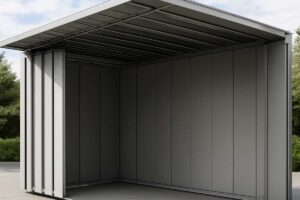
A carport is often seen as a simple shelter for vehicles, yet it holds far more potential than many homeowners realize. With thoughtful planning and creative design, a carport can become a vibrant outdoor living area that adds functionality, entertainment value, and aesthetic appeal to a property. One of the most exciting transformations is converting a carport into a summer kitchen, especially when enhanced with retractable panels that allow flexible control over airflow, sunlight, and protection from the elements.
A summer kitchen extends the heart of the home into the outdoors, creating a space where cooking, dining, and socializing merge in a relaxed and refreshing environment. Retractable panels elevate this concept further by allowing the space to shift between open air freedom and enclosed comfort depending on weather conditions, privacy needs, and seasonal changes. The result is a multifunctional area that balances convenience, style, and adaptability.
Why Convert a Carport into a Summer Kitchen
Transforming a carport into a summer kitchen provides an opportunity to maximize underused space while enhancing outdoor living. Many carports already feature a roof structure, open sides, and easy access to driveways or yards, making them ideal for outdoor cooking and gathering spaces.
A summer kitchen encourages outdoor entertaining, reduces heat buildup inside the home during warm months, and offers a dedicated area for grilling and meal preparation. It also adds lifestyle value by creating a casual yet functional environment for family meals, celebrations, and weekend gatherings.
How Retractable Panels Enhance Flexibility
Retractable panels introduce a dynamic element to the design by allowing homeowners to control how open or enclosed the space feels. These panels can be made from glass, polycarbonate, metal, or fabric, and they can slide, fold, or roll away depending on the chosen system.
On warm sunny days, panels can be fully opened to create an airy and inviting space. During rain, wind, or cooler evenings, they can be closed to provide shelter while still maintaining visibility and natural light. This flexibility extends the usability of the summer kitchen throughout more seasons and weather conditions.
What Structural Considerations Matter Before Conversion
Before converting a carport, it is essential to assess the existing structure for load capacity, roof integrity, and foundation stability. Cooking equipment, cabinetry, countertops, and retractable panel systems may add weight or require reinforcement.
Electrical and plumbing upgrades are often necessary to support appliances, lighting, sinks, and ventilation. Ensuring the structure meets local building codes and zoning regulations is also critical, especially if permanent modifications are planned.
How to Plan the Layout for Efficiency and Comfort
A successful summer kitchen layout prioritizes workflow, safety, and guest interaction. Cooking zones, preparation areas, storage, and seating should be arranged to minimize congestion while maintaining a welcoming atmosphere.
Placing grills and cooktops near ventilation openings helps manage smoke and heat. Countertops should provide ample workspace, and seating should be positioned at a comfortable distance from cooking areas to allow conversation without crowding.
What Appliances Work Best in Outdoor Kitchens
Appliance selection plays a major role in the functionality of a summer kitchen. Outdoor-rated grills, refrigerators, pizza ovens, and side burners are popular choices due to their durability and performance in varying weather conditions.
Compact appliances help preserve space in smaller carports, while larger setups can support full-scale cooking. Choosing weather-resistant materials and finishes ensures longevity and reduces maintenance requirements.
How Retractable Panels Improve Weather Protection
One of the biggest advantages of retractable panels is their ability to shield the kitchen from unpredictable weather. Panels protect cooking surfaces, furniture, and appliances from rain, dust, and debris while preserving the open feel of an outdoor space.
During intense sun exposure, tinted or shaded panels help reduce glare and heat buildup. In windy conditions, closed panels create a calmer environment for dining and cooking, improving comfort for guests.
Why Ventilation and Airflow Are Essential
Outdoor cooking produces smoke, steam, and heat, making proper ventilation crucial. Retractable panels allow airflow to be adjusted depending on cooking intensity and weather.
Installing overhead vents, range hoods, or ceiling fans enhances circulation. Maintaining fresh air improves comfort and prevents lingering odors, creating a more enjoyable space for extended use.
How Lighting Enhances Ambience and Functionality
Lighting transforms a summer kitchen from a daytime cooking area into an inviting evening gathering space. Task lighting illuminates countertops and cooking zones, while ambient lighting sets a relaxed mood.
LED strips, pendant lights, and string lights can be combined to create layered illumination. Retractable panels that allow natural light during the day reduce reliance on artificial lighting, promoting energy efficiency.
What Materials Work Best for Outdoor Durability
Outdoor kitchens require materials that resist moisture, heat, and UV exposure. Stainless steel, sealed stone, concrete, and treated wood are commonly used for countertops and cabinetry.
Flooring options such as sealed concrete, tile, or textured pavers provide durability and easy cleaning. Retractable panels should be made from corrosion-resistant materials to withstand long term exposure.
How Seating and Dining Areas Enhance Usability
A summer kitchen becomes more inviting when paired with comfortable seating and dining arrangements. Bar counters, picnic-style tables, or lounge seating encourage guests to linger and socialize.
Retractable panels can frame the dining area, offering the option of open-air meals or enclosed comfort. Thoughtful placement of furniture ensures clear pathways and an uncluttered environment.
How to Integrate Storage Without Creating Clutter
Efficient storage keeps the kitchen organized and functional. Cabinets, drawers, and shelves can store cookware, utensils, and serving items while protecting them from outdoor elements.
Weather-resistant storage solutions help maintain cleanliness and extend the life of kitchen tools. Hidden compartments and vertical shelving optimize space without compromising aesthetics.
Why Safety Measures Are Important in Outdoor Kitchens
Safety should always be a priority when installing cooking equipment outdoors. Fire-resistant surfaces, proper spacing between appliances, and secure gas or electrical connections reduce risk.
Retractable panels must be installed with safety locks and durable tracks to prevent accidental movement. Clear walkways and adequate lighting also contribute to a safe and user-friendly environment.
How Technology Can Elevate the Experience
Modern technology can enhance convenience and entertainment in a summer kitchen. Smart lighting, outdoor speakers, and weather-resistant televisions create a multimedia environment ideal for social gatherings.
Remote-controlled retractable panels allow quick adjustments based on weather changes. Integrating smart appliances and temperature monitoring systems adds another layer of functionality.
How Landscaping Complements the Outdoor Kitchen
Surrounding landscaping enhances the overall appeal of a converted carport kitchen. Plants, decorative stone, and garden features soften the structure and create a cohesive outdoor environment.
Retractable panels that frame greenery or scenic views contribute to a relaxing and visually appealing atmosphere. Thoughtful landscaping strengthens the connection between the kitchen and the rest of the property.
What Budget Factors Influence the Conversion Process
The cost of converting a carport into a summer kitchen depends on the scale of renovation, appliance selection, panel systems, and utility installations. Homeowners can manage costs by prioritizing essential features and upgrading over time.
Investing in quality materials and durable retractable systems reduces long-term maintenance expenses. Planning a clear budget ensures the project remains financially sustainable.
How Retractable Panels Extend Seasonal Use
Retractable panels allow a summer kitchen to remain functional beyond warm weather months. Closing panels during cooler evenings or rainy days creates a sheltered environment suitable for year-round enjoyment.
Adding portable heaters or insulation options further increases comfort in transitional seasons. This adaptability transforms the space into a multi-season outdoor living area rather than a limited summer feature.
Why a Summer Kitchen Adds Property Value
A well-designed outdoor kitchen enhances property appeal and market value. Buyers increasingly seek homes with flexible outdoor living spaces that support entertainment and relaxation.
Retractable panels contribute to the uniqueness and practicality of the feature, making the property stand out. The investment can yield strong returns by improving both lifestyle quality and resale potential.
How to Maintain a Converted Carport Kitchen
Regular maintenance ensures the longevity of the kitchen and retractable panels. Cleaning cooking surfaces, inspecting panel tracks, and checking seals prevent wear and mechanical issues.
Protective covers for appliances and furniture reduce exposure to harsh weather. Routine upkeep keeps the space looking attractive and functioning smoothly.
Conclusion
Turning a carport into a summer kitchen with retractable panels is a creative and rewarding way to enhance outdoor living. This transformation maximizes existing space while offering a flexible environment that adapts to weather, seasons, and entertaining needs.
With careful planning, durable materials, and thoughtful design, a carport summer kitchen can become a stylish extension of the home. Retractable panels elevate the experience by providing the perfect balance between open-air freedom and enclosed comfort, creating a versatile and inviting space for cooking, dining, and gathering year-round.
If you want, I can expand this into a long-form 3000-word article, rewrite it in a more technical or luxury tone, or format it for blog publication.