
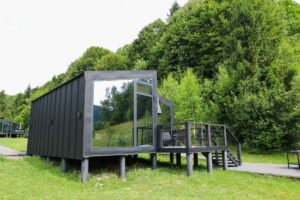
The concept of micro living has moved from a niche lifestyle choice to a mainstream housing solution. Shifting lifestyle priorities have driven interest in smaller, more efficient homes. Tiny homes, particularly those built using metal structures, offer a compelling answer to these challenges. Metal micro living spaces combine durability, efficiency, and modern design into compact footprints.
Metal tiny homes also reflect a broader cultural shift toward intentional living. Residents are prioritizing financial freedom over excess square footage. Metal micro living spaces demonstrate that thoughtful design and smart materials can create high-quality living environments in remarkably small spaces.
What Defines a Metal Micro Living Space
A metal micro living space is typically a small dwelling constructed using steel or other metal framing systems, often paired with metal wall panels and roofing. These homes usually range from under two hundred square feet to about six hundred square feet, though definitions vary by region and purpose. What distinguishes them is not only their size but their emphasis on efficiency, adaptability, and long-term performance.
Metal structures allow designers to create open interiors with fewer load-bearing walls. This structural efficiency supports flexible layouts, higher ceilings, and integrated storage solutions. Unlike traditional wood construction, metal framing resists pests, moisture, and fire, making it particularly suitable for compact homes where durability and safety are critical.
Why Are Metal Materials Ideal for Tiny Homes
Metal offers several advantages that align well with the goals of micro living. Strength-to-weight ratio is one of the most significant benefits. Steel framing can support loads with thinner profiles, allowing more usable interior space. This is especially valuable in small homes where every inch matters.
Longevity is another key factor. Metal structures resist warping, rot, and insect damage, reducing long-term maintenance. For tiny homes intended to last decades, or to be relocated multiple times, metal provides structural consistency and reliability. Additionally, metal components are often prefabricated, which improves construction accuracy and reduces waste.
How Does Micro Living Change Daily Lifestyle
Living in a micro space encourages intentional habits. Residents become more mindful of what they own, how they organize belongings, and how they use space. This often leads to reduced clutter, lower consumption, and a greater appreciation for multifunctional design.
Daily routines adapt to the space. Kitchens are compact but efficient, sleeping areas may double as storage zones, and outdoor spaces often extend the living area. Rather than feeling restrictive, many residents find that micro living enhances freedom by reducing financial pressure and simplifying daily life.
How Are Interior Layouts Optimized in Metal Tiny Homes
Interior layout is the heart of any successful micro living space. Designers prioritize flow, vertical storage, and multifunctional elements. Open floor plans are common, supported by metal framing that eliminates unnecessary interior walls.
Lofted sleeping areas are frequently used to free up ground-level space for living and working. Built-in furniture, fold-down tables, and integrated cabinetry reduce the need for bulky standalone items. The rigidity of metal framing supports creative solutions such as cantilevered storage, wall-mounted systems, and modular interior components.
What Role Does Insulation Play in Metal Micro Homes
Insulation is essential in metal structures, particularly in small living environments where temperature fluctuations are more noticeable. Proper insulation prevents heat transfer, condensation, and noise intrusion. Advanced insulation systems such as spray foam, rigid panels, and insulated metal panels are commonly used.
Thermal performance directly affects comfort and energy efficiency. Well-insulated metal tiny homes maintain stable indoor temperatures with minimal heating or cooling. This reduces energy consumption and operating costs, aligning with the sustainability goals often associated with micro living.
How Can Metal Tiny Homes Support Sustainability Goals
Metal micro living spaces naturally support sustainable living. Their smaller size requires fewer materials, less energy to heat and cool, and reduced land impact. Metal itself is highly recyclable, and many steel products contain recycled content.
Sustainability can be further enhanced through solar panels, rainwater collection systems, and energy-efficient appliances. Compact design encourages efficient use of resources, while durable materials reduce the need for frequent repairs or replacements. Together, these factors create a housing solution with a lower environmental footprint.
What Are the Cost Advantages of Metal Micro Living
Cost is a major driver behind the popularity of tiny homes. Metal micro living spaces often cost less to build and maintain than traditional homes. Prefabricated metal components reduce labor time and construction errors, leading to predictable budgets.
Operational costs are also lower. Smaller spaces require less energy, fewer furnishings, and reduced maintenance. For many residents, this translates into financial flexibility, lower debt, and the ability to allocate resources toward experiences, travel, or savings rather than housing expenses.
How Do Metal Tiny Homes Perform in Different Climates
Metal structures can be adapted to a wide range of climates. In hot regions, reflective metal roofing and proper ventilation reduce heat gain. In cold climates, insulated panels and airtight construction retain warmth and prevent drafts.
Weather resistance is another strength. Metal homes withstand high winds, heavy rain, and snow loads more effectively than many traditional structures. This resilience makes them suitable for remote locations, disaster-prone areas, and off-grid living scenarios.
Can Metal Micro Living Spaces Be Mobile
Many metal tiny homes are designed for mobility. Steel frames provide the strength needed for transport without compromising structural integrity. Homes built on trailers or skid foundations can be relocated as needed, supporting nomadic lifestyles or temporary housing needs.
Mobility expands the possibilities for micro living. Owners can move closer to work opportunities, family, or natural settings without abandoning their home investment. Metal construction ensures that repeated movement does not degrade the structure over time.
How Do Zoning and Regulations Affect Metal Tiny Homes
Zoning laws and building codes play a significant role in where and how metal tiny homes can be used. Some jurisdictions classify them as accessory dwelling units, while others treat them as recreational vehicles or modular homes.
Understanding local regulations is essential during planning. Metal construction can help meet fire safety and structural requirements, improving approval chances. Clear documentation, proper foundations, and compliance with utility standards support legal placement and long-term use.
What Utilities and Systems Are Integrated into Micro Metal Homes
Despite their size, metal tiny homes can support full utility systems. Electrical wiring, plumbing, and HVAC systems are integrated into walls and floors with precision. Modern design allows for efficient routing without sacrificing space.
Many micro homes incorporate smart systems for lighting, climate control, and energy monitoring. These technologies enhance comfort and efficiency while minimizing manual adjustments. Off-grid options such as composting toilets and solar power further expand placement possibilities.
How Do Metal Tiny Homes Support Remote Work and Modern Lifestyles
As remote work becomes more common, micro living spaces are evolving to support professional needs. Dedicated work nooks, sound insulation, and strong connectivity are increasingly included in designs.
Metal framing allows for wall-mounted desks, adjustable shelving, and integrated cable management. These features enable residents to maintain productivity without dedicating large areas to office space. The result is a balanced environment that supports both work and personal life.
What Are the Social and Community Impacts of Micro Living
Micro living often encourages stronger community connections. Tiny home communities share resources, outdoor spaces, and infrastructure, fostering collaboration and social interaction. Metal tiny homes are well-suited for clustered developments due to their uniform construction and durability.
These communities can address housing shortages, support aging in place, or provide affordable options for young professionals. The compact scale promotes efficient land use and walkable environments that strengthen social ties.
How Does Design Aesthetics Influence Metal Micro Homes
Metal micro living spaces are not limited to industrial aesthetics. Advances in finishes, colors, and panel textures allow for a wide range of architectural styles. Modern, rustic, minimalist, and even traditional designs are achievable.
Interior aesthetics also matter. Natural materials such as wood accents, warm lighting, and thoughtful color palettes soften the metal structure and create inviting environments. Good design ensures that small spaces feel open, comfortable, and personalized.
What Maintenance Considerations Come with Metal Tiny Homes
Maintenance requirements for metal micro living spaces are generally lower than for traditional homes. Metal resists common issues such as termites and rot. Protective coatings prevent corrosion and extend lifespan.
Routine inspections focus on seals, fasteners, and insulation performance. Because systems are compact and accessible, maintenance tasks are often simpler and less costly. This reliability supports long-term occupancy with minimal disruption.
How Can Metal Micro Living Support Workforce and Emergency Housing
Metal tiny homes offer scalable solutions for workforce housing, disaster response, and temporary accommodation. Their rapid construction and durability make them suitable for deployment in urgent situations.
Communities can use metal micro living units to address housing gaps while maintaining quality and safety standards. Their adaptability allows for conversion between temporary and permanent use as needs evolve.
What Does the Future Hold for Metal Micro Living Spaces
The future of housing increasingly values efficiency, resilience, and adaptability. Metal micro living spaces align with these priorities. Advances in prefabrication, smart technology, and sustainable materials will continue to improve performance and affordability.
As acceptance grows, metal tiny homes may become a standard component of urban planning, rural development, and mixed-use communities. Their impact extends beyond individual dwellings to influence how society thinks about space, consumption, and quality of life.
Conclusion
Tiny homes built with metal structures demonstrate that small spaces can deliver a big impact. Through efficient design, durable materials, and thoughtful integration of systems, metal micro living spaces provide comfortable, sustainable, and flexible housing solutions. They challenge conventional assumptions about size and value, proving that quality of life is not defined by square footage.
As economic, environmental, and social pressures reshape housing needs, metal micro living spaces offer a resilient and forward-looking option. By embracing intentional design and innovative construction, these homes create opportunities for affordability, mobility, and sustainability that resonate far beyond their compact walls.