
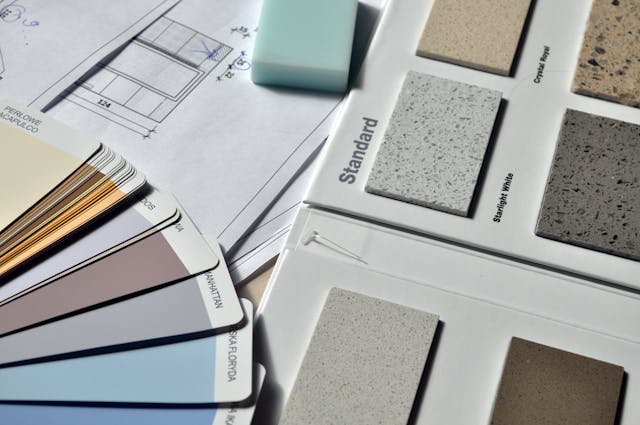
One of the most important decisions during the planning and construction phase of a metal building is selecting the right flooring. The performance, longevity, and usability of the building largely depend on what flooring material is chosen.
Some flooring options enhance the strength and insulation of the space, while others may prove to be less effective. Certain choices may look appealing at first but do not hold up well under pressure or long term use. This article explores the best flooring options for metal buildings, what works in different conditions, and what materials often lead to poor results.
Importance of Choosing the Right Flooring
Flooring affects the function and feel of a metal building. The right choice provides stability, resistance to moisture, and the ability to withstand heavy loads. An effective floor also contributes to temperature control, ease of cleaning, and aesthetic appeal. In contrast, a poor flooring choice can lead to cracking, mold buildup, or rapid wear.
Different types of metal buildings require different kinds of flooring. A storage unit may only need a hard and cleanable surface. A workshop may require chemical resistance and impact absorption. A living space calls for comfort and insulation. Understanding how the space will be used helps determine the most suitable material.
Concrete: The Most Popular Choice
Concrete is one of the most commonly used flooring materials for metal buildings. Its strength, durability, and low maintenance make it ideal for heavy duty applications. Concrete works well in garages, warehouses, and agricultural structures where vehicles, tools, and equipment need a solid and level base.
Installation involves pouring a slab that can be either reinforced or non reinforced. Reinforced concrete includes steel mesh or rebar to improve its ability to bear weight and resist cracking. A well poured slab lasts for decades and supports even the heaviest machinery.
However, concrete does have drawbacks. It can be cold, hard underfoot, and prone to cracking if not installed properly. It may also absorb oil and chemical stains unless it is sealed. For added comfort and appearance, owners often place rubber mats or epoxy coatings over the concrete.
Gravel: A Budget Friendly Alternative
Gravel is a flexible and low cost option often used in agricultural and storage buildings. It is quick to install, provides good drainage, and does not require curing time. Gravel floors are popular in barns, sheds, and outbuildings that house livestock or store feed.
A well compacted gravel floor allows water to pass through easily, reducing the risk of puddles or mud buildup. It is also easy to maintain. New layers can be added as the surface becomes worn or uneven.
Gravel is not suitable for buildings where a clean or sealed floor is required. Dust can become a problem, especially in enclosed spaces. Moving heavy equipment across gravel can create ruts, and small items may get lost in the stones. This type of flooring is best suited to buildings with minimal foot traffic or formal interior needs.
Epoxy Coating Over Concrete
Epoxy coatings provide a strong and attractive finish when applied over concrete. The resin based surface resists oil, grease, chemicals, and wear. This makes it an excellent choice for garages, shops, and industrial spaces.
Epoxy floors are available in different colors and patterns, including high gloss finishes that brighten the space. They create a smooth and sealed surface that is easy to clean and maintain. Slip resistant additives can be included for safety.
The application process requires proper preparation of the concrete slab. It must be clean, dry, and free of cracks. Moisture issues can prevent the epoxy from bonding properly. Installation should take place during suitable weather conditions and curing times must be observed.
Epoxy is not the cheapest option, but it offers long term value due to its durability and performance. It is not recommended for gravel or wood subfloors, and works best over stable concrete.
Rubber Flooring for Comfort and Impact Resistance
Rubber flooring offers shock absorption, noise reduction, and slip resistance. It is commonly used in gyms, workshops, and equine facilities. This material is available in rolls, tiles, or mats that can be laid over concrete or wood.
Rubber is resilient underfoot and reduces fatigue during extended periods of standing. It is water resistant and holds up well to spills and weather changes. Cleaning involves sweeping and occasional mopping with mild detergent.
One limitation is that rubber flooring is not ideal for vehicle storage or areas with sharp tools. Heavy machinery can leave marks or punctures. Rubber tiles may lift at the edges if not installed correctly.
Still, for spaces that require comfort and insulation, such as home gyms or tack rooms, rubber flooring is a strong option.
Vinyl Flooring for Finished Interiors
Vinyl flooring provides a clean and stylish finish for metal buildings converted into living spaces, offices, or recreational rooms. It is available in planks or sheets and mimics the look of wood, tile, or stone. Modern vinyl is durable, waterproof, and easy to install.
Vinyl offers insulation benefits and feels warmer underfoot than concrete. It is resistant to most household chemicals and is easy to clean with a mop or vacuum. In buildings with proper subfloor preparation and climate control, vinyl holds up well for years.
However, vinyl is not suitable for outdoor buildings that experience extreme temperature swings or heavy moisture. It may expand or contract, causing the seams to separate. It also lacks the load bearing strength required in garages or workshops.
For residential conversions of metal barns or commercial office spaces, vinyl remains a top flooring option.
Wood Flooring for Residential Conversions
Some metal buildings are turned into homes, cabins, or studios. In these cases, wood flooring adds warmth and visual appeal. Solid hardwood, engineered wood, and laminate all provide aesthetic value and comfort.
Wood floors can be installed over a raised subfloor, often built over the concrete slab. This provides a flat surface and allows for the addition of insulation and moisture barriers. Engineered wood is more stable than solid wood in buildings where humidity fluctuates.
The downside to wood is its vulnerability to moisture and impact. Water leaks or condensation can warp or damage planks. Heavy furniture or equipment may dent the surface. Regular maintenance such as sealing and refinishing may be required.
For finished interior rooms within a metal building, wood creates a cozy and inviting atmosphere. It should be used in areas where climate control is possible and moisture is not a major concern.
Interlocking Floor Tiles for Temporary or Modular Use
Interlocking tiles made of rubber, PVC, or polypropylene provide a modular and versatile flooring solution. These tiles snap together and can be laid directly over concrete or other firm surfaces. They are ideal for temporary installations or spaces that may be reconfigured in the future.
These tiles come in various colors and patterns. Some feature drainage holes for wet environments, while others offer anti fatigue properties. They are commonly used in showrooms, garages, and exhibition halls.
Installation does not require adhesives, and tiles can be removed or replaced easily. However, they may not be ideal for very heavy loads or uneven subfloors. Some types may also shift under intense use if not properly secured.
For adaptable and removable flooring solutions, interlocking tiles are effective and user friendly.
Dirt Floors for Simple Agricultural Use
In some cases, particularly in barns or livestock shelters, dirt floors remain a practical and cost free choice. A well compacted dirt floor can be functional for storing hay, housing animals, or creating riding arenas.
Dirt floors are easy to level and repair. They absorb waste and moisture to some degree and provide natural cushioning for livestock. In rural or agricultural settings, this flooring style remains common.
However, dirt floors have obvious downsides. Dust, mud, and pests are more likely to become issues. Maintenance is frequent, and the surface can become uneven over time. Dirt is not suitable for buildings where sanitation, drainage, or insulation is important.
Dirt floors work only in very specific cases where natural materials and minimal infrastructure are appropriate.
Materials That Do Not Work Well
Not all flooring choices are ideal for metal buildings. Some materials may appear appealing at first but fail to meet long term needs.
Carpeting is one example. In metal buildings without insulation or climate control, carpeting attracts moisture, traps odors, and wears out quickly. It also harbors mold and pests. Unless installed in a conditioned residential space, carpet should be avoided.
Loose lay vinyl or peel and stick tiles also struggle in uncontrolled environments. They often peel, shift, or lift due to expansion and moisture. These materials require stable temperatures and proper subfloor preparation to remain effective.
Untreated plywood or particle board is another poor option. These materials swell and degrade when exposed to moisture. They offer little resistance to heavy loads or chemicals and break down quickly under pressure.
Moisture Control and Insulation Considerations
Flooring performance is closely tied to how well moisture is managed in a metal building. Without insulation and proper sealing, condensation can accumulate on the slab or beneath the flooring surface. This leads to mold growth, odor buildup, and structural damage.
Installing a vapor barrier beneath concrete slabs or subfloors is essential. This prevents moisture from rising and affecting the flooring. Insulation adds another layer of protection, improves temperature stability, and reduces energy use in heated or cooled buildings.
Ventilation also helps reduce moisture buildup. Roof vents, windows, and dehumidifiers contribute to a dry interior environment, helping all types of flooring last longer and perform better.
Maintenance Tips for Long Lasting Floors
Regular maintenance is necessary to protect flooring in metal buildings. Concrete should be sealed and checked for cracks. Epoxy coatings need to be cleaned with non abrasive products. Rubber mats require occasional washing. Vinyl and wood benefit from sweeping, mopping, and the use of appropriate cleaners.
Spills and stains should be addressed promptly to prevent damage. In areas with frequent foot traffic or moving equipment, protective pads, floor covers, or area rugs help reduce wear.
Proper maintenance not only extends the life of the flooring but also keeps the interior safe and attractive.
Conclusion
The best flooring for a metal building depends on how the space will be used. Concrete, epoxy, and rubber are ideal for industrial and automotive purposes. Vinyl and wood suit residential conversions and finished interiors. Gravel and dirt work for agricultural settings. Modular tiles offer flexibility for temporary and customized spaces.