
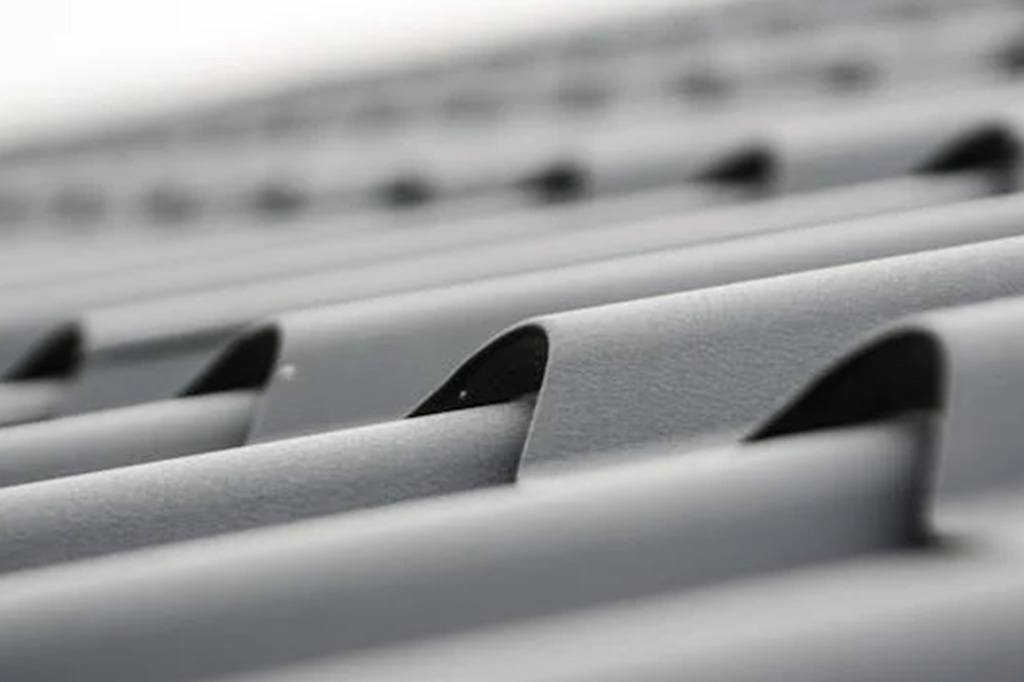
The choice of roofing material plays a crucial role in the long-term value of any building. Among the many options available, metal roofing has gained remarkable popularity. This growth in preference is not based on trend alone. Metal roofing offers practical benefits that surpass traditional materials in many aspects.
Choosing the right roof goes beyond appearance. It requires careful consideration of durability, environmental factors, energy efficiency, and cost effectiveness. Metal roofing is a reliable solution for residential homes, agricultural buildings, warehouses, and commercial properties.
As building standards become more focused on sustainability and long-term performance, metal roofing continues to stand out. It is known for its superior resistance to the elements, its ability to reflect sunlight, and its long lifespan. These advantages have made it a top choice for property owners seeking peace of mind and long-term value.
Durability That Withstands the Elements
One of the primary advantages of metal roofing is its outstanding durability. Unlike asphalt shingles that tend to degrade with time, metal roofing is built to withstand a wide range of weather conditions. Rain, snow, wind, and even hail are far less damaging to a properly installed metal roof than to other types of roofing systems.
This durability comes from the strength of the materials used, typically steel, aluminum, or copper. These metals have innate properties that resist cracking, shrinking, and eroding. A metal roof can handle heavy snow loads and strong winds without the risk of curling or splitting. In areas prone to hurricanes or storms, metal roofs offer an extra layer of security.
Additionally, metal roofing is non-combustible. It will not ignite in the presence of embers or lightning strikes. This makes it a safer choice in regions that experience wildfires or lightning storms. Over time, this resilience contributes to fewer repairs and a lower likelihood of premature replacement, making it a cost-effective choice in the long run.
Impressive Longevity Compared to Alternatives
The lifespan of a roof is one of the most significant factors for homeowners and commercial property managers. A standard asphalt shingle roof may last twenty to thirty years under ideal conditions. In contrast, metal roofing systems often last forty to seventy years, with some copper and zinc roofs known to last over a century.
This longevity reduces the need for replacement, which is one of the most expensive maintenance tasks in building ownership. While the initial cost of a metal roof may be higher than other options, the extended lifespan compensates for the upfront expense. In many cases, property owners never have to replace the roof again during their lifetime.
Longevity also provides value during resale. Prospective buyers often see a metal roof as a major advantage, knowing that it will require minimal attention for decades to come. This can improve resale value and speed up the process of selling a property.
Energy Efficiency That Saves Money
Energy efficiency is another major reason for the increasing use of metal roofing. Traditional roofing materials tend to absorb and retain heat. In contrast, metal roofing reflects a significant portion of solar radiation. This reflective quality helps keep buildings cooler in hot climates, reducing the need for air conditioning and lowering energy bills.
Some metal roofs are coated with special reflective pigments that further improve their ability to bounce back sunlight. These coatings not only enhance energy efficiency but also help maintain the color and appearance of the roof for a longer period.
The benefits of energy efficiency extend into colder climates as well. Metal roofing can be installed with insulating layers beneath it, which help maintain indoor temperatures during winter. This ability to regulate heat flow across all seasons makes metal roofing an attractive option for those seeking to reduce utility costs and environmental impact.
Environmental Benefits of Choosing Metal
In an age of growing environmental awareness, metal roofing stands out as one of the most eco-friendly roofing solutions. First, many metal roofs are made with a significant percentage of recycled materials. This reduces the demand for new resources and supports the recycling industry.
At the end of its long lifespan, a metal roof can be fully recycled rather than discarded into a landfill. This stands in sharp contrast to asphalt shingles, which contribute large volumes of waste when removed. Metal roofing supports sustainable building practices and helps property owners contribute to environmental conservation.
The energy efficiency of metal roofing also reduces a building’s carbon footprint. Lower energy use translates to fewer emissions and a smaller impact on the environment. In addition, some metal roofs are compatible with solar panel installations, further enhancing the sustainability of the structure.
Minimal Maintenance Requirements
Maintenance is a major consideration when evaluating roofing options. Some materials require frequent inspection, cleaning, and repair to remain functional. Metal roofing, however, requires very little maintenance once properly installed.
Routine inspections are still recommended to ensure fasteners are tight and sealants remain effective. However, the overall workload is much less than with wood shakes or asphalt shingles. Metal does not attract mold, mildew, or pests, which are common issues with organic materials.
Clearing debris such as leaves and branches is typically the most labor-intensive part of metal roof maintenance. With proper slope and drainage systems in place, even this task can be minimized. The simplicity of maintaining a metal roof adds another layer of convenience and value.
Lightweight and Structurally Beneficial
Weight is a critical consideration in building design. Heavy roofing materials may require additional framing and support structures, which increase construction costs and complexity. Metal roofing is much lighter than tile or concrete alternatives, reducing the load on a building’s frame.
This lightweight nature makes metal roofing ideal for retrofit projects. Older buildings may not be able to handle the weight of traditional materials, but can often support a metal roof without significant modification. Lighter roofs also result in lower transportation and handling costs during installation.
Despite being light, metal roofs do not compromise on strength. Their combination of low weight and high durability makes them suitable for a wide variety of structures, from tiny homes and barns to large commercial warehouses.
Versatile Styles and Aesthetic Options
Many people assume that metal roofs lack visual appeal. Modern manufacturing techniques have changed that perception entirely. Today’s metal roofing comes in a wide range of styles, finishes, and colors. It can mimic the appearance of shingles, tiles, slate, or wood shakes, offering traditional charm with modern performance.
Finishes can be glossy, matte, or textured. Color options range from neutral earth tones to bold architectural statements. This variety gives architects and homeowners the ability to match the roof to the overall design of the structure, blending performance with curb appeal.
The visual uniformity of metal panels also appeals to those seeking a sleek, contemporary look. Whether aiming for rustic charm or modern minimalism, metal roofing provides the flexibility to achieve almost any aesthetic goal.
Quick and Efficient Installation Process
Time is money in any construction project. Metal roofing systems can often be installed more quickly than other materials, particularly in large projects. The panels are manufactured in standard sizes or custom-cut lengths, which allows for faster alignment and attachment.
Because the panels are lightweight, contractors can move them easily and work more efficiently. Some metal roofs can even be installed over existing roofing materials, reducing tear-off costs and waste.
Fast installation reduces labor costs and minimizes the time your property is exposed to the elements. This efficiency is especially valuable for commercial buildings where delays may affect operations or customer access.
Superior Performance in Extreme Conditions
Extreme weather events are becoming more frequent, making the choice of roofing material more important than ever. Metal roofing performs exceptionally well in a wide range of severe weather conditions. It is not only wind-resistant but also sheds rain and snow with ease due to its smooth surface and interlocking panel design.
In fire-prone regions, metal roofing is preferred for its fire resistance. It will not ignite under exposure to embers, unlike wood shingles or some composite materials. In snowy areas, metal roofing discourages snow buildup. Snow slides off naturally, reducing the risk of collapse or ice dam formation.
In hot climates, reflective coatings on metal roofs reduce heat gain. In storm-prone areas, metal stands up better to hail and wind-borne debris. These qualities make metal roofing a reliable solution for unpredictable climates and demanding environments.
Increased Property Value and Return on Investment
Adding a metal roof can enhance the value of a property. Prospective buyers often recognize the benefits associated with metal roofing, including longevity, energy savings, and low maintenance. A home with a metal roof may sell faster and at a higher price compared to a similar home with an aging asphalt roof.
The long-term financial benefits include reduced maintenance, lower utility bills, and the likelihood of never needing a replacement. These savings accumulate over time, offering a strong return on investment.
Many insurance companies also offer reduced premiums for properties with metal roofs due to their fire resistance and durability. These ongoing savings contribute to the financial appeal of upgrading to a metal roofing system.
Support for Renewable Energy Solutions
Metal roofs are well suited for solar energy integration. Their durability and flat surface make them ideal for mounting solar panels. The reflective quality of the metal also improves the efficiency of solar systems by keeping panel temperatures down, which helps maximize energy output.
Some metal roofing products are designed with standing seams that can accommodate solar panel clips without drilling holes into the surface. This preserves the integrity of the roof and simplifies the installation of solar systems.
As the demand for renewable energy grows, the compatibility of metal roofing with solar installations makes it a future-ready choice. This is especially beneficial for property owners planning to add solar systems in the years to come.
A Wise Choice for Long-Term Value
Choosing a roofing material is a long-term decision with lasting implications for the safety, appearance, and financial performance of a building. Metal roofing stands out for its ability to deliver value across multiple dimensions. It resists wear, saves energy, protects against extreme weather, and requires little maintenance.
While the initial cost may be higher than other roofing materials, the return on investment over time makes metal roofing one of the smartest choices available. Its blend of form and function appeals to both residential and commercial property owners seeking peace of mind and strong financial outcomes.
The decision to install a metal roof is a commitment to long-term performance. It reflects a desire to invest in quality, durability, and sustainability. As building practices continue to evolve and environmental considerations grow more important, metal roofing will remain a leading option for those who want reliability and excellence above their heads.
Conclusion
Metal roofing is more than a protective cover. It is a strategic asset that contributes to comfort, efficiency, and long-term savings. Its durability under harsh conditions, compatibility with modern technology, and attractive design options make it suitable for almost any building.
Whether you are constructing a new home, renovating a commercial facility, or upgrading an aging roof, choosing metal roofing is a decision that delivers advantages year after year. It is a reliable solution for the present and a wise investment for the future. With its combination of strength, beauty, and performance, metal roofing continues to rise as the gold standard in modern construction.