
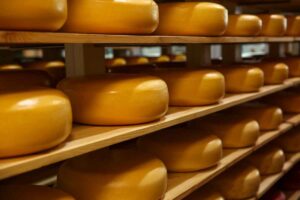
The art of cheese making requires precision, care, and an environment that supports the delicate aging process. From artisan cheddar to creamy brie, every cheese variety depends on consistent temperature and cleanliness. Traditional cheese aging facilities often rely on stone, brick, or wood constructions, but steel barns are emerging as a modern solution. They provide the potential for precise environmental control. This makes them increasingly attractive to cheese producers, big and small.
Steel barns can be designed to create the ideal conditions for cheese maturation. With proper insulation, ventilation, and humidity control, a steel barn can become a reliable facility. Beyond functional benefits, steel barns offer ease of expansion, enabling producers to meet growing demand without compromising quality. This article by the experts at the Lion Garages explores how steel barns can be optimized for cheese aging and storage, addressing design, environmental control, hygiene, and operational considerations.
Why Are Steel Barns Suitable for Cheese Aging
Steel barns offer several advantages that make them well-suited for cheese aging. Their structural integrity allows for wide open interior spaces without load-bearing walls, enabling flexible racking arrangements for cheese wheels or blocks. This open plan is ideal for air circulation and managing temperature zones efficiently.
Additionally, steel is nonporous and resistant to pests and rot, reducing the risk of contamination. Unlike wood structures, steel does not harbor bacteria or mold that could compromise cheese quality. With proper surface coatings and finishes, steel barns can maintain high sanitary standards necessary for food processing and storage.
What Environmental Conditions Are Required for Cheese Aging
Cheese aging requires precise control over temperature and humidity. Different varieties of cheese demand unique conditions; for example, hard cheeses may need lower humidity and slightly cooler temperatures, while soft cheeses require higher humidity to develop texture and flavor.
Steel barns can be retrofitted with climate control systems, including insulation, HVAC units, humidifiers, and dehumidifiers. This allows producers to create microclimates within a single barn or separate zones for multiple cheese types, ensuring consistent maturation and flavor development.
How Can Temperature Be Controlled in Steel Barns
Maintaining a stable temperature is critical to the aging process. Fluctuations can lead to uneven ripening, spoilage, or undesired bacterial growth. Steel barns can incorporate advanced HVAC systems with thermostats and sensors to monitor and adjust conditions continuously.
Insulated walls and roofs minimize external temperature influence, allowing the interior climate to remain consistent. Temperature zoning within the barn can further enhance control, ensuring that each cheese variety receives optimal conditions without cross-contamination or interference.
How Is Humidity Managed in Cheese Storage Facilities
Humidity control is as important as temperature. Steel barns can be fitted with humidifiers, dehumidifiers, or combined climate control systems to maintain the desired moisture levels in the air. High humidity prevents cheese from drying out, preserving texture and promoting natural rind formation.
Proper ventilation also supports humidity management by preventing stagnant air and reducing the risk of mold or unwanted bacterial growth. Airflow patterns should be carefully planned to ensure uniform conditions throughout the barn.
Why Is Ventilation Important in Cheese Aging
Ventilation helps regulate both temperature and humidity while also removing unwanted odors and airborne contaminants. In a steel barn, carefully positioned vents, fans, and ducting systems ensure that air circulates without disturbing the surface of the aging cheese.
Controlled airflow prevents pockets of stagnant air that can promote mold growth or uneven aging. It also helps maintain a healthy working environment for staff who may spend extended periods inside the barn.
How Can Lighting Be Integrated Without Affecting Cheese Quality
Excessive or direct light can degrade certain cheeses, affecting flavor, color, and texture. Steel barns allow for flexible lighting installations that minimize exposure, such as LED systems with dimming controls or motion sensors.
Light can be strategically positioned to illuminate work areas for monitoring and cleaning while avoiding direct exposure on cheese racks. This balance ensures operational functionality without compromising product quality.
What Racking Systems Work Best in Steel Barns
Cheese racks must provide adequate support, allow airflow, and be easy to sanitize. Steel barns can accommodate adjustable shelving systems made from stainless steel, food-grade plastic, or treated wood that resists bacterial growth.
Racks can be arranged to optimize space while maintaining proper air circulation between layers. Mobile racks or modular systems allow for flexibility, making it easier to rotate cheese, clean floors, and scale operations as needed.
How Is Hygiene Maintained in Steel Cheese Barns
Hygiene is critical in any food processing environment. Steel barns offer smooth, nonporous surfaces that are easier to clean than traditional wood barns. Walls, ceilings, and floors can be coated with antimicrobial finishes or sealed surfaces that resist contamination.
Regular cleaning schedules, proper drainage, and designated sanitation zones help maintain a sterile environment. This reduces the risk of spoilage, ensures compliance with food safety standards, and protects the reputation of the cheese producer.
What Sanitation Standards Must Be Followed
Cheese aging facilities are subject to local health and safety regulations, which may include sanitation protocols, pest control, and temperature monitoring. Steel barns can be designed to meet these standards through proper zoning, cleanable surfaces, and accessible inspection points.
Documentation of cleaning schedules, climate logs, and inspection results ensures compliance and supports traceability in case of product concerns.
How Can Steel Barns Be Designed for Energy Efficiency
Energy efficiency is both environmentally responsible and cost-effective. Steel barns can incorporate insulated panels, energy-efficient HVAC systems, and renewable energy options such as solar panels to reduce operational costs.
Efficient design reduces energy consumption while maintaining the precise environmental conditions required for cheese aging. Lighting, fans, and climate control can all be optimized to minimize waste while maximizing performance.
Why Is Security Important for Cheese Storage Facilities
Cheese is a high-value product, and security is an important consideration. Steel barns provide robust protection against unauthorized access, theft, and vandalism.
Access control systems, surveillance cameras, and secure entry points can be integrated into the barn’s design. Security measures protect both inventory and operational continuity.
How Can Expansion Be Managed in Steel Barns
As production grows, steel barns can be expanded more easily than traditional buildings. Additional bays or connected modules can be added without extensive demolition, allowing producers to scale storage and aging capacity.
Modular designs also allow for separate zones for different cheese varieties, ensuring that operational growth does not compromise quality or environmental control.
How Does Durability Reduce Long-Term Costs
Steel barns are resistant to weather, pests, and structural degradation, resulting in lower maintenance and repair costs. Durable construction ensures that the investment in climate control systems, racks, and equipment is protected for decades.
Longevity reduces the environmental impact of rebuilding or replacing structures, making steel barns a sustainable and financially sound choice for cheese production.
What Role Does Monitoring Technology Play in Cheese Aging
Monitoring systems provide real-time data on temperature, humidity, and airflow, allowing producers to respond quickly to deviations. Sensors, data loggers, and automated alerts ensure that cheese remains within the optimal environment.
Technology integration allows for consistent quality, reduces human error, and provides traceable records for regulatory compliance and quality assurance.
How Are Cheese Barns Adapted for Different Varieties
Different cheeses have distinct aging requirements. Steel barns can be divided into zones with tailored temperature, humidity, and airflow conditions.
This flexibility allows producers to age multiple varieties simultaneously while maintaining precise conditions for each type. It also supports experimentation with new products without impacting existing inventory.
How Can Waste Be Minimized in Steel Cheese Barns
Minimizing waste is essential in sustainable operations. Proper environmental control, sanitation, and monitoring reduce spoilage and loss.
Steel barns allow for organized storage, efficient rotation of stock, and easy inspection, all of which contribute to lower waste rates and improved profitability.
How Can Staff Workflows Be Optimized
Steel barns’ open layout facilitates workflow design for cheese handling, cleaning, and monitoring. Designated pathways, mobile racks, and strategically placed equipment reduce bottlenecks and improve efficiency.
Optimized workflows enhance safety, reduce errors, and allow staff to focus on quality control rather than logistical challenges.
What Regulatory Considerations Should Be Addressed
Cheese aging facilities must comply with food safety regulations, local building codes, and environmental standards. Steel barns can be engineered to meet these requirements through structural integrity, sanitation access, and climate control.
Compliance ensures legal operation, protects public health, and enhances the reputation of the cheese producer in the marketplace.
How Can Branding and Visitor Experiences Be Integrated
Many artisan cheese producers offer farm tours or tasting experiences. Steel barns can be designed with visitor pathways, educational signage, and tasting areas that complement production without compromising sanitation.
Integrating visitor experiences can increase brand recognition, customer loyalty, and revenue diversification.
How Can Automation Improve Operations
Automation in climate control, inventory tracking, and monitoring reduces manual effort and human error. Automated systems in steel barns help maintain consistent conditions and improve efficiency.
This allows producers to scale operations while ensuring product quality remains high.
Conclusion
Steel barns provide a modern, durable, and highly adaptable solution for cheese aging and storage. Their structural strength, ease of environmental control, and hygienic surfaces make them ideal for artisan and commercial cheese producers seeking to maintain quality, increase efficiency, and expand operations.
By carefully planning climate control, hygiene, workflow, and visitor integration, steel barns can become highly effective, long-term facilities that support sustainable and profitable cheese production.