
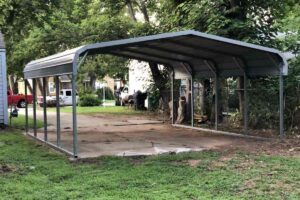
Urban environments present unique challenges for carport design and installation. Limited lot sizes, narrow driveways, and restricted access points often make it difficult to provide safe, convenient, and aesthetically pleasing vehicle shelters. Despite these constraints, urban homeowners and property managers still require functional solutions that protect vehicles from the elements, enhance property value, and comply with local regulations. Addressing these challenges requires a clear understanding of site limitations.
Carports in tight urban spaces are not just about protection from sun and rain. They also need to integrate seamlessly with surrounding buildings, sidewalks, and streets. Materials, installation methods, and layout choices must all be adapted to the urban context. Additionally, considerations such as security, drainage, ventilation, and maintenance play a critical role in ensuring that the carport functions effectively in a dense city environment.
Why Are Carports Useful in Urban Settings
Even in cities where garages are rare, carports provide essential protection from sun, rain, and debris. They also offer a flexible alternative to traditional enclosed garages, particularly where space constraints prevent full construction. In addition to protecting vehicles, carports can increase the usability of outdoor spaces, support property aesthetics, and improve curb appeal. Urban residents benefit from a structure that is both functional and adaptable to tight plots of land.
Carports also help manage urban environmental challenges. They reduce heat reflection from vehicles, minimize water pooling around parked cars, and can incorporate features such as rainwater collection or solar panels. For urban homeowners who have limited space but want to maintain a high level of functionality, carports are a practical and scalable solution.
What Are the Key Space Considerations for Urban Carports
In urban areas, every inch of space counts. The width of driveways, the proximity of neighboring buildings, and the clearance needed for doors and vehicle movement all influence carport design. Accurate site measurements are essential to avoid conflicts with sidewalks, fences, and utility lines.
Space constraints also affect vehicle type and capacity. Narrow lots may only accommodate a single car, while multi-level parking or tandem layouts might be necessary in extremely tight conditions. Designers must also consider turning radii, entry angles, and the height of surrounding structures to ensure that vehicles can safely enter and exit the carport.
How Can Carport Designs Adapt to Narrow Access Points
For lots with restricted entry, modular or sectional carport designs can be highly effective. Prefabricated components allow for assembly in confined spaces without requiring large equipment or extensive maneuvering. Sliding or retractable roofs can further enhance functionality by reducing the vertical clearance needed for installation.
Additionally, cantilevered designs may eliminate the need for support posts in tight driveways, maximizing usable space. Engineers can also consider angled or offset configurations that make it easier to access parking spots from narrow streets or alleys. Each design must balance structural stability with practical vehicle access.
What Materials Work Best for Urban Carports
Material selection is critical for urban carports. Lightweight but durable materials such as steel, aluminum, or polycarbonate allow for easier installation in tight spaces while maintaining structural integrity. Steel frames provide strength and longevity, while aluminum can reduce weight and simplify assembly. Polycarbonate or acrylic panels offer weather protection while allowing natural light to filter through, reducing the sense of confinement in small urban lots.
Urban carports must also withstand environmental stresses such as high winds, pollution, and occasional impacts from bicycles, scooters, or pedestrians. Corrosion resistance, low maintenance requirements, and fire safety are additional material considerations that ensure long-term performance in city conditions.
How Can Carports Integrate with Urban Aesthetics
In dense neighborhoods, carports should complement the surrounding architecture rather than dominate it. Modern, minimalist designs often suit contemporary urban homes, while timber or metal accents can harmonize with older or more traditional structures. Color, finish, and texture choices can help the carport blend with fences, walls, and building facades.
Urban aesthetics also involve functional design. Transparent or translucent roofing, integrated lighting, and concealed drainage systems reduce visual bulk while enhancing usability. Thoughtful design ensures that the carport enhances the property rather than appearing as a makeshift addition.
What Role Does Security Play in Urban Carport Design
Urban carports face higher risks of theft or vandalism. Security considerations should include surveillance cameras, motion-activated lighting, and secure gates or access controls. Steel frames with lockable connections provide additional protection for vehicles.
Lighting plays a dual role in security and safety. Well-placed lights discourage unauthorized access while providing visibility for drivers and pedestrians. Motion sensors or smart lighting systems can further enhance security while conserving energy.
How Can Drainage Challenges Be Addressed
Water management is a significant consideration in urban environments, where impervious surfaces can lead to pooling or flooding. Carports should be designed with sloped roofs, gutters, and downspouts that direct water away from vehicles and walkways.
Permeable pavers, trench drains, or rain gardens can complement the carport’s drainage system, ensuring that stormwater is managed effectively. Proper drainage not only protects vehicles but also prevents property damage and reduces maintenance needs.
How Can Carports Be Designed for Multi-Use Urban Spaces
Urban plots often require flexibility. Carports can double as shaded outdoor seating, storage areas, or even garden spaces when vehicles are not present. Foldable partitions, retractable roofs, or modular flooring systems allow a single structure to serve multiple purposes.
Designing for multi-use requires careful planning to maintain safety and accessibility while accommodating diverse activities. Proper signage, lighting, and durable materials help ensure that shared spaces remain functional and attractive.
What Are the Energy Efficiency Opportunities for Urban Carports
Carports in urban areas can support sustainability initiatives. Installing solar panels on roofs, incorporating natural ventilation, or using reflective roofing materials can reduce energy consumption. Electric vehicle charging stations can be integrated, adding value for residents and supporting urban mobility trends.
Energy efficiency also extends to lighting and environmental control. LED lighting, motion sensors, and smart power management reduce operational costs while enhancing convenience and security.
How Can Permits and Regulations Affect Urban Carport Projects
Local zoning and building codes often regulate setbacks, height limits, and coverage ratios. Some municipalities may require permits for any structure exceeding a certain size or occupying a portion of the lot.
Before installation, homeowners and property managers must verify that the carport complies with setback requirements, easements, and any homeowner association guidelines. Early consultation with local authorities prevents delays, fines, and potential legal issues.
What Installation Methods Work Best in Limited Urban Spaces
Prefabricated carport kits allow for rapid installation with minimal disruption to neighbors. Modular components can be assembled piece by piece, avoiding the need for cranes or large machinery.
In some cases, on-site welding or bolting may be necessary, but careful planning of materials delivery and assembly sequence ensures efficiency. Professional installers with experience in tight urban sites can complete projects safely and on schedule.
How Can Maintenance Be Simplified in Urban Environments
Urban carports require materials and finishes that resist pollution, corrosion, and wear from high foot and vehicle traffic. Smooth, nonporous surfaces are easier to clean, and protective coatings extend the lifespan of metal components.
Routine inspections for loose bolts, gutter blockages, and lighting functionality prevent small issues from becoming major repairs. Maintenance planning is particularly important in dense urban areas where access may be limited and disruptions costly.
How Can Urban Carports Support Electric Vehicles
With the growing adoption of electric vehicles, urban carports can be designed with integrated charging stations. Proper electrical infrastructure, cable management, and safety features ensure that EVs can charge conveniently without obstructing access.
Solar panels or battery storage can further enhance sustainability by supplying clean energy for charging, reducing grid dependency, and lowering operating costs for residents or property managers.
How Can Modularity Improve Urban Carport Utility
Modular carports allow for future expansion or relocation, which is particularly valuable in urban areas where property use can change. Modules can be added for additional vehicles, storage, or shading as demand grows.
This adaptability ensures that carports remain relevant over time, providing a flexible investment that accommodates evolving urban lifestyles and property requirements.
How Does Safety and Accessibility Factor into Urban Carports
Accessibility is a critical consideration in limited urban spaces. Driveways should be wide enough for maneuvering, ramps may be required for level changes, and pathways should be clear of obstacles.
Safety measures include rounded edges on posts, slip-resistant surfaces, and adequate lighting to guide vehicles and pedestrians. Ensuring that carports are both safe and accessible enhances usability for all residents.
What Role Does Aesthetics Play in Urban Carport Acceptance
In dense neighborhoods, carports are highly visible to neighbors and passersby. Thoughtful design, color coordination, and materials selection can help the structure blend with surrounding buildings.
Urban aesthetics also influence property value and community perception. A visually appealing carport that complements its environment is more likely to receive approval from neighbors and regulatory bodies.
Conclusion
Carports in urban environments with limited access require creative design, precise planning, and careful execution. By addressing space constraints, security, drainage, energy efficiency, and aesthetics, urban carports can provide functional, attractive, and safe vehicle shelters.
With modular designs, flexible layouts, and sustainable features, these carports serve the evolving needs of city residents while enhancing property value. Proper planning and professional installation ensure that even the tightest urban lot can accommodate a high-quality carport that meets both practical and aesthetic requirements.