
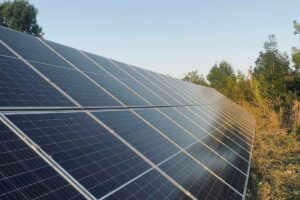
The agricultural landscape is undergoing a quiet transformation as energy generation becomes an integral part of farm infrastructure. Barns, once valued solely for storage, livestock shelter, or equipment housing, are increasingly recognized as large surface areas capable of producing renewable power. Solar skin technologies represent a new approach that goes beyond traditional rooftop panels by integrating energy generation directly into barn walls and roofs. These systems allow agricultural buildings to function as power-producing assets without compromising their primary use.
As farms face rising energy costs, climate pressures, and the need for long term resilience, solar skins offer a compelling solution. By blending photovoltaic materials into the exterior envelope of barns, farmers can reduce dependence on external power sources while maintaining durability and visual cohesion. Understanding how these technologies work, how they can be applied to agricultural structures, and what considerations influence their performance is essential for anyone exploring solar integration in modern barn design.
What Are Solar Skin Technologies?
Solar skin technologies refer to building-integrated photovoltaic systems that are embedded into walls, roofs, or exterior surfaces rather than mounted as separate panels. Unlike traditional solar arrays that sit above roofing materials, solar skins become part of the structure itself. They can take the form of solar shingles, photovoltaic metal panels, laminated glass modules, or flexible thin film materials applied directly to barn surfaces.
These systems are designed to generate electricity while serving as weather protection and structural cladding. For barns, this dual function is particularly valuable because it reduces material redundancy and simplifies integration. Solar skins allow barns to generate power while maintaining their essential agricultural functions, making them an efficient and visually streamlined energy solution.
Why Are Barns Ideal Candidates for Solar Skin Applications?
Barns are often large, simple structures with expansive rooflines and wall surfaces that receive unobstructed sunlight. Their orientation and placement are typically optimized for airflow and access rather than shading, which makes them excellent candidates for solar energy generation. Unlike residential buildings, barns often have fewer architectural constraints, allowing greater flexibility in solar integration.
Additionally, barns are frequently located away from dense urban development, reducing shading from neighboring structures. Their energy demands can also be significant, especially for operations involving refrigeration, ventilation, lighting, and automated equipment. Solar skins allow barns to offset these demands directly at the source, improving energy efficiency and operational independence.
How Do Solar Skins Differ from Traditional Solar Panels?
Traditional solar panels are mounted on racks or frames that sit above an existing roof surface. While effective, these systems add weight, require penetrations for mounting hardware, and may alter the appearance of the building. Solar skins differ by replacing or enhancing the building envelope itself.
In solar skin systems, photovoltaic materials are integrated into roofing panels or wall cladding. This integration reduces the need for separate mounting systems and can improve wind resistance. For barns exposed to high winds or heavy weather, this embedded approach offers structural advantages while maintaining consistent energy production.
What Types of Solar Skin Materials Are Used on Barn Roofs?
Barn roofs can accommodate several types of solar skin materials depending on the structure type and climate. Photovoltaic metal roofing panels are among the most common options. These panels resemble traditional metal roofing but include embedded solar cells that generate electricity without altering the roof profile.
Solar shingles provide another option, particularly for barns where a more traditional appearance is desired. Thin film photovoltaic layers can also be applied to standing seam metal roofs, allowing energy generation without a significant visual change. Each material type offers different efficiency levels, costs, and aesthetic qualities, making selection a balance between performance and design goals.
How Can Solar Skins Be Integrated into Barn Walls?
While roofs receive the most sunlight, barn walls offer additional surface area that can contribute to energy production. Vertical solar skins can be applied to south-facing or west-facing walls where sunlight exposure is consistent. These wall-mounted systems often use rigid photovoltaic panels or laminated solar facades designed to withstand impact and weather.
Wall-integrated solar skins are particularly useful for barns with limited roof space or complex roof geometry. They also perform well in winter conditions when the sun sits lower in the sky, providing more direct exposure to vertical surfaces. This complementary performance helps balance seasonal energy production.
What Structural Considerations Affect Solar Skin Installation?
Before installing solar skins, it is important to assess the structural integrity of the barn. The building must be able to support the additional weight of integrated photovoltaic materials, although these systems are often lighter than traditional panel arrays. Metal-framed barns typically handle solar skins well due to their strength and load distribution capabilities.
Roof pitch, wall orientation, and framing spacing all influence system design. Electrical pathways must also be planned to route generated power safely to inverters and distribution panels. Early coordination between structural design and solar integration ensures that the barn performs both structurally and energetically over time.
How Does Orientation Influence Solar Skin Performance?
The orientation of barn surfaces plays a significant role in energy output. South-facing roofs and walls generally provide the highest solar exposure in many regions, while east and west-facing surfaces contribute to morning and afternoon production. Solar skins allow barns to harness energy from multiple orientations, reducing reliance on a single surface.
Roof pitch also affects performance by determining the angle at which sunlight strikes the photovoltaic surface. In many cases, barn roofs are already pitched at angles suitable for solar generation. Vertical wall systems complement roof installations by capturing sunlight during different times of day and seasons.
What Role Does Climate Play in Solar Skin Effectiveness?
Climate conditions influence both the efficiency and durability of solar skin technologies. In hot climates, ventilation beneath solar-integrated roofs helps prevent heat buildup that can reduce photovoltaic efficiency. In cold climates, solar skins continue to produce energy during clear winter days and may benefit from snow shedding on sloped surfaces.
Humidity, dust, and agricultural debris also affect system performance. Solar skins designed for barns are typically engineered with protective coatings and sealed edges to withstand harsh environments. Regular inspection and cleaning help maintain consistent energy output regardless of climate challenges.
How Do Solar Skins Impact Barn Energy Independence?
By generating electricity onsite, solar skins reduce reliance on grid power and enhance energy independence. Barns equipped with integrated solar systems can offset energy consumption from lighting, ventilation fans, water pumps, and automated feeding systems. When paired with battery storage, solar skins allow barns to operate during power outages or peak demand periods.
This energy independence is especially valuable in rural areas where grid reliability may be limited. Solar skins provide a stable power source that supports continuous operation and protects sensitive agricultural processes from disruption.
What Are the Economic Benefits of Solar Skins on Barns?
Solar skin technologies represent an investment that delivers long-term economic returns. By reducing utility bills, barns equipped with integrated photovoltaics lower operating costs over time. In many regions, excess energy can be sold back to the grid through net metering programs, further improving financial performance.
Incentives such as tax credits, grants, and renewable energy subsidies can significantly reduce initial costs. When solar skins replace conventional roofing or wall materials, the incremental cost of energy generation may be lower than expected. Over the lifespan of the barn, these savings can be substantial.
How Do Solar Skins Affect Barn Aesthetics?
Aesthetic considerations are important for barns that serve public-facing or community roles. Solar skins offer a more cohesive appearance than traditional panel systems, blending energy generation into the building envelope. This integration preserves the visual character of agricultural structures while signaling innovation and sustainability.
Manufacturers offer solar skins in various colors and finishes to match traditional barn materials. This flexibility allows energy-producing barns to maintain regional architectural identity while embracing modern technology.
What Maintenance Is Required for Solar Skin Systems?
Solar skin systems generally require minimal maintenance. Because they are integrated into the structure, they are less exposed to wind uplift and mechanical damage. Routine inspections ensure that electrical connections remain secure and surfaces are free of excessive dirt or debris.
Cleaning requirements depend on local conditions. In agricultural environments, dust and residue may accumulate more quickly, making periodic washing beneficial. However, many systems are designed with self-cleaning surfaces that reduce maintenance demands.
How Do Solar Skins Support Sustainable Agriculture?
Sustainability is a growing priority in agriculture, and solar skins align well with this goal. By producing renewable energy onsite, barns reduce greenhouse gas emissions associated with conventional power generation. This contributes to lower carbon footprints and supports broader environmental stewardship efforts.
Solar-powered barns also enhance resilience by reducing vulnerability to fuel price fluctuations and supply disruptions. This stability supports long term agricultural productivity and encourages responsible land use practices.
Can Solar Skins Be Combined with Other Renewable Technologies?
Solar skins work well alongside other renewable energy systems. Wind turbines, geothermal systems, and biomass energy can complement solar generation, creating hybrid energy solutions for farms. Solar skins provide a consistent daytime power source that pairs effectively with storage systems and alternative generation methods.
Energy management systems can optimize power usage by prioritizing renewable sources and balancing loads across equipment. This integrated approach maximizes efficiency and reduces waste, making barns hubs of smart energy management.
What Permitting and Regulatory Issues Should Be Considered?
Installing solar skins on barns requires compliance with local building codes and electrical regulations. Because these systems are part of the building envelope, permitting processes may differ from traditional panel installations. Working with experienced designers and installers helps navigate these requirements efficiently.
Agricultural zoning often supports renewable energy integration, particularly when systems serve onsite needs. Understanding utility interconnection rules and incentive programs ensures that solar skin projects proceed smoothly and deliver expected benefits.
How Does Technology Advancement Shape the Future of Solar Skins?
Solar skin technologies continue to evolve as photovoltaic efficiency improves and manufacturing processes advance. New materials offer higher energy output, greater flexibility, and improved durability. For barns, these advancements mean more power generation without increasing surface area.
Smart monitoring systems provide real-time performance data, enabling proactive maintenance and energy optimization. As costs continue to decline, solar skins are likely to become standard features in new barn construction and retrofits.
What Is the Long Term Value of Solar Skins on Agricultural Buildings?
The long term value of solar skins extends beyond immediate energy savings. Integrated photovoltaic systems enhance property value by modernizing infrastructure and demonstrating sustainability leadership. For multi-generation farms, these improvements represent investments in future resilience and operational efficiency.
Solar skins also support evolving agricultural practices that rely on technology and automation. Reliable power generation ensures that barns remain adaptable to new equipment and processes as farming continues to advance.
How Can Farmers Plan for Successful Solar Skin Integration?
Successful integration begins with careful planning and collaboration. Assessing energy needs, evaluating site conditions, and selecting appropriate materials lay the foundation for effective solar skin systems. Early coordination between architects, engineers, and solar specialists ensures that the barn design supports both structural and energy goals.
Education and long-term planning empower farmers to make informed decisions that align with operational priorities. With the right approach, solar skins transform barns into productive, resilient, and sustainable assets.
Why Are Solar Skins a Strategic Choice for Modern Barns?
Solar skin technologies represent a convergence of agriculture, architecture, and renewable energy. By turning barn walls and roofs into power-generating surfaces, these systems redefine the role of agricultural buildings. Barns become active participants in energy production rather than passive consumers.
As farms face increasing economic and environmental pressures, solar skins offer a practical path forward. They preserve the functionality and character of barns while delivering clean energy and long-term savings. In doing so, they position agricultural operations for a future defined by resilience, efficiency, and innovation.