
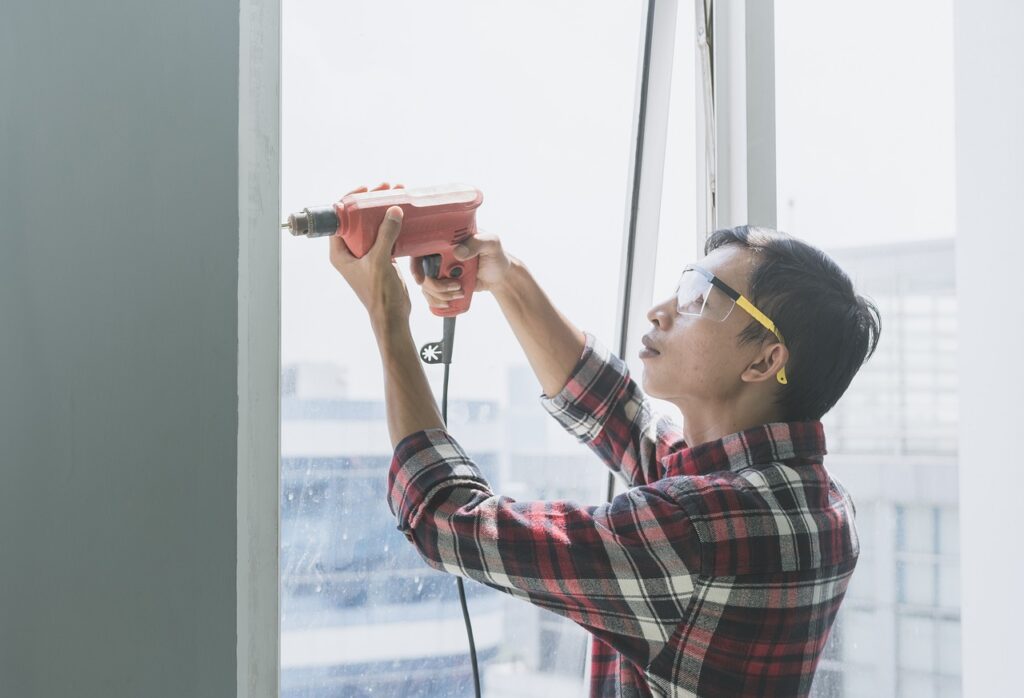
While steel is known for its strength, and steel buildings are known for their durability, regular maintenance helps preserve the structure, improves safety, enhances energy performance, and prevents costly repairs of said structures. Skipping maintenance may not seem like a serious issue at first, but small problems can snowball into expensive damage if left unchecked.
Performing routine checks and upkeep is an investment in your building’s long term performance. Owners who develop a regular maintenance plan save money and avoid the inconvenience of unexpected repairs. With proper care, a steel building can remain strong, functional, and attractive for several decades.
This article by Lion Buildings explores the most important ways maintenance saves you money and how to carry out effective upkeep without breaking the bank.
Avoiding Structural Damage
Steel buildings are incredibly strong, but no building is entirely maintenance free. Moisture, shifting ground, and daily use can slowly wear down the structure. Regular inspections help catch issues before they become significant problems. Small cracks, rust spots, or misaligned panels may seem minor at first. If left untreated, these can lead to corrosion or even compromise the building’s integrity.
Cleaning your building’s exterior and roof helps prevent the buildup of organic material that holds moisture. Water that sits on the surface of steel panels can slowly eat away at protective coatings. Keeping gutters and drainage systems clean ensures that water flows away from the foundation rather than pooling around the base.
Checking the roof after storms helps detect punctures or bent panels. Loose fasteners can allow wind to lift sections of the roof or let water seep through. Early detection makes repairs faster, easier, and more affordable.
Extending the Lifespan of the Building
Routine maintenance significantly extends the life of your steel building. Coatings, bolts, insulation, and structural parts all wear down with time. Giving attention to these details keeps the building functioning as designed.
Sealants may dry out or crack after years of exposure to sunlight. When that happens, joints and seams become vulnerable to leaks. Touching up sealant periodically ensures that water stays out. Repainting areas where the finish has worn off also helps maintain corrosion resistance.
Insulation can shift, compress, or deteriorate over time. A simple visual inspection allows you to spot changes before they affect energy performance or indoor air quality. Replacing damaged insulation improves comfort while reducing utility bills.
Fasteners should be checked and tightened regularly. Wind, temperature changes, and vibrations can slowly loosen connections. Securing loose bolts or screws keeps the building stable and reduces stress on the frame.
Preventing Rust and Corrosion
Rust is one of the biggest threats to steel buildings. Even though most steel panels come with a protective finish, exposure to moisture and debris can eventually create weak spots. Addressing rust as soon as it appears prevents the spread of corrosion and protects the structural components of the building.
Surface rust may start around seams, edges, and fasteners. Removing the rust with a wire brush and applying rust inhibitor helps stop further damage. Recoating the area with primer and paint restores the protective barrier.
Keeping the building clean reduces the chances of rust forming in the first place. Removing leaves, dirt, and grime from the roof and walls discourages rust. Areas near downspouts and corners are especially prone to moisture buildup and should be cleaned frequently.
Staying proactive in rust prevention avoids the need to replace large sections of panels or framing. This approach saves money in materials and labor while maintaining the strength of the building.
Lowering Energy Costs
Well maintained steel buildings are more energy efficient. Insulation, doors, windows, and vents all work together to regulate interior temperatures. When these components are in good condition, the building requires less energy for heating and cooling.
Cracks or gaps around doors and windows allow air to escape. Checking and resealing these gaps improves insulation performance. Doors that sag or misalign may not seal tightly, letting warm or cool air leak out. Adjusting the hardware or replacing worn weatherstripping helps keep your climate control system from working overtime.
Ventilation systems should be cleaned and checked for obstructions. Good airflow reduces humidity and prevents moisture from damaging insulation or metal surfaces. Fans, louvers, and ridge vents must operate properly to maintain consistent indoor air quality.
Lighting systems also contribute to energy costs. Replacing old bulbs with energy efficient options reduces utility bills. Cleaning skylights and windows improves natural light and reduces the need for artificial lighting during the day.
Routine maintenance of these systems supports energy conservation and contributes to lower operating costs.
Protecting Valuable Equipment and Inventory
Steel buildings often house equipment, tools, vehicles, or inventory that represents a significant investment. Keeping the building in top condition protects these valuable items from damage caused by leaks, pests, or poor ventilation.
Water that leaks into a storage area can cause electrical failures, rot, or mildew on stored goods. Electronics and mechanical parts are especially vulnerable to moisture. Fixing leaks early prevents costly replacements and maintains the usability of your assets.
Proper sealing also keeps pests out. Rodents and insects may chew through wiring, build nests in machinery, or damage packaging. Regularly inspecting openings, sealing cracks, and checking for signs of infestation reduces this risk.
Climate control systems should be maintained to prevent extreme temperature swings that could damage temperature sensitive equipment or materials. A stable and dry environment extends the life of everything stored inside.
Routine upkeep not only preserves the building itself but also protects everything housed within it.
Preventing Costly Emergency Repairs
Emergency repairs are often more expensive than routine maintenance. Sudden failures, leaks, or damage from weather can lead to urgent service calls, costly parts, and downtime. Regular inspections and maintenance reduce the likelihood of these emergencies.
For example, a minor leak left unchecked could eventually damage insulation, framing, or electrical systems. Repairing all of those components at once can cost thousands of dollars. Catching the leak early might only require a small patch and sealant.
Storm damage can be reduced with pre storm maintenance. Checking the roof, fasteners, doors, and windows before extreme weather ensures the building is prepared. Taking small actions ahead of time prevents larger problems during or after the storm.
Investing in preventive care reduces long term costs and avoids the stress of sudden repairs. Emergency services are not only more expensive but also harder to schedule on short notice.
Improving Resale Value
A well maintained steel building retains more of its original value. Buyers are more likely to invest in a property that has a documented history of regular upkeep. A building that shows signs of neglect may scare off potential buyers or result in a lower selling price.
Keeping detailed records of inspections, repairs, and updates helps demonstrate the condition of the building. These records show that the property has been cared for and is less likely to require major repairs.
Visual appearance also affects resale value. Clean siding, a well kept roof, and working doors and windows all contribute to the perception of quality. Buyers can see that the building is functional and ready for immediate use.
Maintaining your steel building makes it more attractive and valuable if you choose to sell or lease it in the future.
Maintaining Compliance with Warranties
Many steel building manufacturers offer warranties that cover structural elements or coatings. These warranties often require regular maintenance to remain valid. Failing to perform the required upkeep may result in a loss of coverage.
Reading and following the maintenance guidelines set by the manufacturer helps protect your warranty. These guidelines usually include keeping surfaces clean, inspecting fasteners, and applying touch up coatings when necessary.
If a warranty claim is ever needed, having records of your maintenance efforts will support the claim process. Keeping your building in good condition ensures that you can take full advantage of warranty protections.
Avoiding voided warranties saves you the cost of repairs that could otherwise be covered.
Seasonal Maintenance Routines
Different seasons bring unique maintenance needs. Establishing seasonal routines helps address these challenges before they cause damage.
In spring, inspect the roof for winter damage, check drainage systems, and clean debris from gutters and downspouts. Walk around the building and look for signs of rust or structural stress. Early spring is also a good time to inspect insulation and vents for any pest activity.
During summer, focus on ventilation and energy efficiency. Check fans and vents to ensure they are working properly. Clean skylights and test seals around windows and doors to reduce air leaks.
Autumn is ideal for preparing the building for winter. Clean the roof and gutters to prevent ice buildup. Inspect heating systems, check for drafts, and secure any loose siding or trim.
Winter maintenance includes removing snow from the roof if necessary and watching for ice dams. Monitor the building’s interior temperature and check for signs of leaks or condensation. Make sure that all emergency exits and equipment access points remain clear.
A year round approach to maintenance keeps your building strong and saves money over time.
Creating a Maintenance Checklist
Developing a maintenance checklist ensures that no part of the building is overlooked. This checklist should include tasks that need to be completed monthly, quarterly, and annually. Using a written plan helps establish consistency and accountability.
Key items to include are roof inspections, exterior cleaning, fastener checks, gutter cleaning, door and window inspections, sealant touch ups, and interior assessments. HVAC and lighting systems should also be inspected periodically.
Having a designated schedule and record keeping system helps track what has been done and what still needs attention. This system prevents tasks from being forgotten and makes it easier to spot trends or recurring issues.
A checklist streamlines the maintenance process and supports efficient decision making.
Training Staff or Building Users
If your steel building is used for commercial or group purposes, it is important to train all users on basic maintenance habits. Staff should understand how to spot warning signs and report issues promptly.
Encouraging daily observation of the building’s condition helps catch problems early. Users should be trained to identify water leaks, structural changes, rust spots, and equipment malfunctions. Creating a culture of responsibility increases awareness and contributes to long term savings.
Including maintenance duties in staff roles or contracts ensures that the building is looked after continuously. Everyone involved plays a part in protecting the building’s performance.
Conclusion
Steel buildings are known for their long life and cost efficiency, but they require regular care to deliver those benefits. Maintenance saves money by preventing structural damage, preserving energy performance, and reducing the need for emergency repairs. It also protects valuable equipment, improves resale value, and ensures compliance with warranties.
Establishing seasonal routines, using a checklist, and involving building users all contribute to successful maintenance efforts. Taking the time to care for your steel building supports long term function and protects your investment.
Regular maintenance is not a burden. It is a smart strategy for saving money and extending the usefulness of your steel building for years to come.