
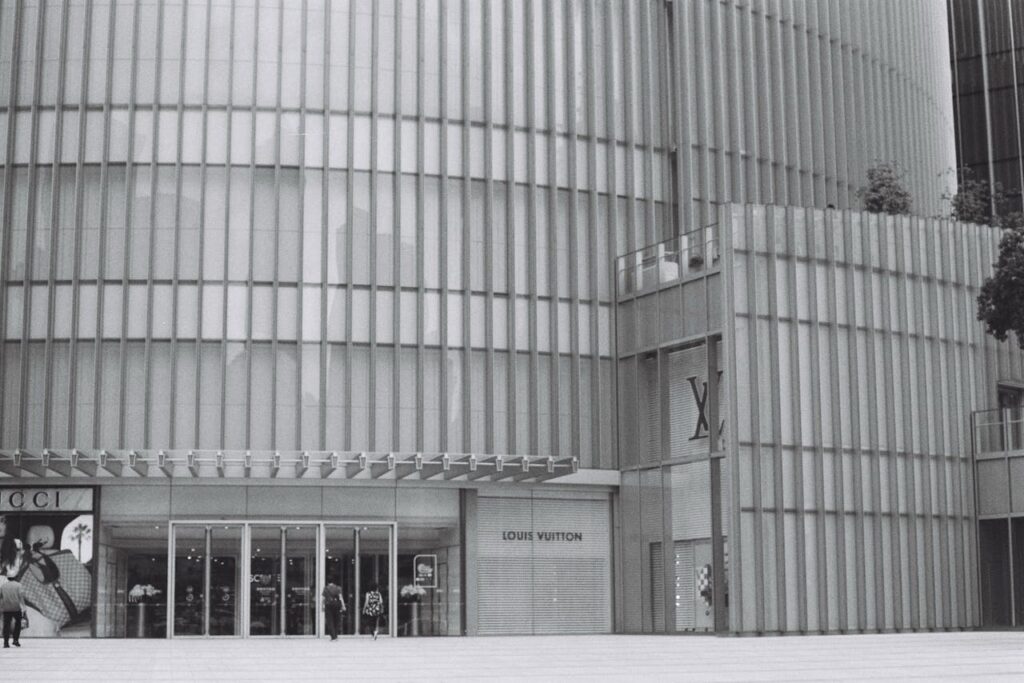
Modern architecture has seen a major shift toward sustainable and energy efficient solutions. One of the most compelling strategies being adopted is passive cooling.
This design approach relies on natural ventilation, shading, and material placement to maintain a comfortable interior temperature. Passive cooling reduces the need for mechanical air conditioning systems.
It has found a particularly valuable application in metal buildings. These structures are often susceptible to heat accumulation due to their thermal conductivity.
Innovations like rain curtains are redefining how metal facades perform. These systems introduce an additional layer of control and insulation, allowing buildings to stay cooler even in extreme climates.
What Is a Rain Curtain System
A rain curtain is an architectural system in which the outer surface of a building is separated from its structural wall. The two surfaces create a narrow cavity that allows for controlled air movement. When applied to metal facades, a rain curtain serves both as a weather barrier and as a tool for passive thermal regulation.
The concept is simple but highly effective. The external surface shields the building from direct sunlight and rainfall, while the cavity behind it encourages the movement of air. This circulation helps remove heat before it reaches the inner structural wall. As a result, indoor temperatures are stabilized and the reliance on artificial cooling systems is greatly reduced.
The Role of Metal in Rain Curtain Systems
Metal is commonly used in rain curtain designs because of its strength, low maintenance, and adaptability. Panels made from steel or aluminum can be fabricated into a wide range of shapes and textures. This flexibility allows designers to blend function with style, creating facades that are both visually appealing and performance driven.
The perforation patterns, color finishes, and thickness of the metal panels all contribute to the thermal performance of the building. Perforated panels, for instance, allow light and wind to pass through while offering partial shading. Solid panels can be strategically placed to block high solar exposure zones.
Another advantage of using metal is its durability. It withstands corrosion and retains its shape over time, making it an ideal candidate for long term installations. Coated or treated metal also resists UV damage, extending the lifespan of the entire facade system.
Designing the Ventilated Air Cavity
The cavity between the rain screen and the building’s structural wall is essential to its function. It needs to be wide enough to allow sufficient air movement but narrow enough to avoid structural complications. Typically, a cavity of one to four inches is maintained to allow air to flow freely while also preventing water ingress.
Cool air enters the cavity from below and exits through openings at the top. As hot air rises, the natural chimney effect draws more air through the system, reducing heat buildup behind the metal panels. This continuous movement helps the facade shed heat throughout the day, especially during peak sunlight hours.
To improve efficiency, designers often include vertical and horizontal baffles or air guides. These elements direct airflow more precisely and ensure that hot spots do not develop in corners or behind solid panels. Attention to detail in cavity construction translates to better overall cooling performance.
Moisture Management and Drainage Integration
Rain curtain systems are not only about cooling. Their design also plays a critical role in protecting the structural wall from water damage. Rainwater that lands on the metal facade either evaporates due to wind and sun or drains downward through a series of controlled channels.
A properly designed rain curtain features built in weep holes and drip edges that direct water away from the wall cavity. These features prevent moisture accumulation, which can lead to corrosion or mold growth. Combined with breathable weather barriers on the inner wall, the rain curtain creates a dry and stable microclimate between layers.
This dual-purpose design makes rain curtains especially valuable in humid or rainy environments. They deliver both thermal comfort and structural protection without relying on complex mechanical systems.
Impact of Material Color and Finish on Passive Cooling
The thermal performance of a rain curtain system is influenced by more than just its structure. The color and finish of the metal panels play an important role in how heat is managed. Light-colored or reflective surfaces deflect more sunlight, keeping surface temperatures lower. These options are ideal for buildings located in hot climates.
Textured finishes and matte coatings further reduce solar absorption by diffusing light rather than absorbing it. These finishes also reduce glare, contributing to visual comfort both inside and outside the building.
In contrast, darker finishes may be used in colder climates where some heat gain is beneficial during winter months. In either case, selecting the right finish helps tailor the rain curtain to local environmental conditions, increasing its effectiveness and efficiency.
Adapting the Rain Curtain System for Different Climates
Not all regions benefit from the same type of rain curtain configuration. In dry desert areas, emphasis may be placed on shading and dust protection. Large overhangs, angled metal fins, and UV reflective coatings become essential design elements.
In tropical regions, the focus shifts to managing both heat and heavy rainfall. Wider cavities, additional drainage features, and anti-corrosion coatings help the system handle intense environmental stresses. In colder regions, insulated back panels and air barriers can be included to reduce heat loss while still allowing ventilation.
Each climate requires its own nuanced approach. A successful rain curtain system depends on matching design details to the specific challenges presented by location, sun path, prevailing winds, and average rainfall.
Integrating Rain Curtains with Other Passive Cooling Elements
Rain curtains work best when combined with other passive cooling strategies. For example, pairing them with operable windows allows occupants to control airflow through cross ventilation. This combination makes interiors more comfortable during transitional weather periods without turning on fans or air conditioners.
Vegetation also complements rain curtain systems. Green walls or planters placed near the facade add shade and release moisture into the air, reducing surrounding temperatures. When these features are combined with ventilated metal cladding, they create a synergistic cooling effect.
Solar chimneys, rooftop vents, and shaded courtyards further enhance a building’s passive thermal strategy. The more integrated the approach, the less energy is needed to maintain a consistent and livable indoor climate.
Customization and Aesthetic Possibilities
Rain curtain systems offer tremendous flexibility in design. Metal panels can be cut into artistic patterns or shaped into undulating forms that add depth and character to a facade. These visual enhancements do not compromise performance and, in many cases, improve airflow and shading.
Architects often use metal rain screens as signature design elements. Their sleek, modern appearance lends itself well to commercial buildings, cultural centers, and high end residential properties. Custom patterns and perforations can be used to reflect local themes or brand identities while also achieving passive cooling goals.
Because of this blend of function and form, rain curtain systems have become a favorite in green building design. They allow buildings to stand out visually while maintaining a smaller environmental footprint.
Construction Considerations and Installation Best Practices
Installing a rain curtain on a metal facade requires precision. Misaligned panels or improperly sealed cavities can reduce performance and compromise the building’s envelope. Using skilled labor and detailed installation plans ensures the system performs as expected.
Structural supports must be evaluated for the additional weight and wind load presented by the outer panels. Brackets and fasteners should be made from compatible metals to avoid galvanic corrosion. Using stainless steel or coated steel connectors prevents these issues and improves long term durability.
During construction, temporary barriers may be used to keep moisture and debris out of the cavity. Once installation is complete, the system should be inspected for ventilation continuity, proper panel alignment, and effective water drainage.
Energy Performance and Cost Benefits Over Time
Rain curtain systems may require a higher upfront investment compared to basic cladding. However, they quickly pay for themselves through energy savings and reduced maintenance costs. Buildings with effective rain curtains experience lower peak temperatures, which translates to less strain on air conditioning systems.
These savings accumulate over time, particularly in warm climates where cooling loads are highest. Additionally, rain curtains protect the underlying structure from thermal expansion, UV degradation, and water infiltration, extending the lifespan of the building envelope.
The lower maintenance requirements of coated metal panels also contribute to reduced operational costs. With routine inspections and occasional cleaning, these systems continue to function effectively for decades.
Examples of Rain Curtain Use in Real World Projects
Across the globe, rain curtain systems are being used in metal buildings of all types. Educational campuses have adopted the technology to create energy efficient classrooms. Hospitals use them to provide stable indoor temperatures while also creating welcoming, modern facades. Commercial centers use the system to reinforce branding and architectural identity.
In each case, the benefits are measurable. Energy consumption is lowered, maintenance issues are minimized, and occupants report higher comfort levels. These outcomes reinforce the value of using rain curtain systems in metal architecture, especially when passive cooling is a priority.
Combining Function with Environmental Responsibility
Rain curtains align with many environmental certification programs. Their contribution to energy efficiency, material reuse, and stormwater management helps projects earn points under systems like LEED, BREEAM, and Green Globes.
More importantly, rain curtain systems support long term ecological stewardship. They reduce greenhouse gas emissions from energy production, lower the urban heat island effect, and encourage the use of durable and recyclable materials.
As climate resilience becomes a critical focus in construction, features like rain curtains are not just smart additions. They become essential components of responsible design.
Future Innovations in Rain Curtain Design
Technological advancements continue to shape the future of rain curtain systems. Smart materials that adjust to environmental conditions, self-cleaning coatings, and embedded sensors that monitor humidity and temperature are all becoming more common.
These features improve performance and help building operators fine tune their environments. As data becomes more accessible, it can be used to further refine ventilation and shading strategies.
The evolution of 3D printed metal components may also lead to new geometries and structural efficiencies. Custom shaped panels can be produced with less waste and tailored for specific sun angles and airflow patterns.
Conclusion
Rain curtain features on metal facades represent one of the most effective strategies for passive cooling in modern construction. They combine aesthetic appeal with technical performance. When designed thoughtfully and installed properly, they transform a building’s exterior into a dynamic thermal buffer.
As the world continues to prioritize green architecture and resilient design, rain curtains will play a central role. Their ability to protect structural materials ensures that they will remain a preferred solution for the buildings of tomorrow.