
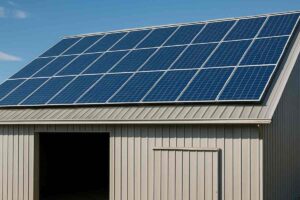
Off-grid living has grown in popularity as Americans seek freedom from traditional utility infrastructure. The desire to adopt environmentally responsible practices has inspired creative approaches to living spaces. Metal garages offer a unique opportunity to serve as energy-independent spaces in off-grid living setups. These structures are durable, modular, and adaptable, making them ideal for conversion into functional areas that support electricity, climate control, water management, and storage needs without reliance on conventional utilities.
Repurposing metal garages for off-grid use requires thoughtful planning, technology integration, and design adjustments to ensure long-term sustainability. From solar power installations and insulation to water harvesting and storage solutions, a metal garage can become a highly efficient, self-sufficient space. These structures can serve as workshops, studios, guest houses, or small living quarters, while fully supporting off-grid energy needs and independent operations.
How Can Solar Power Be Integrated into a Metal Garage
Solar power is central to off-grid energy independence. Installing photovoltaic panels on the roof or in an adjacent array can provide electricity for lighting, appliances, and electronics. Roof orientation should maximize sun exposure throughout the day to ensure optimal energy capture. Ground-mounted solar arrays can also be used if roof space is limited or partially shaded.
Charge controllers, inverters, and battery storage systems are necessary components to manage solar energy efficiently. A well-designed system ensures that excess energy is stored for nighttime use and that the garage operates independently during periods of low sunlight. Proper wiring and safety measures must be installed to prevent overloading and to protect both occupants and equipment.
What Insulation Strategies Enhance Energy Efficiency
Insulation is critical in regulating temperature and reducing energy consumption. Metal garages without insulation can become excessively hot during the day and uncomfortably cold at night. Spray foam insulation, reflective radiant barriers, and insulated panels are common solutions that improve thermal performance.
Sealing gaps around doors, windows, and seams prevents heat loss and air infiltration, further improving energy efficiency. Insulated garage doors and wall panels can dramatically reduce the need for supplemental heating or cooling, extending battery life in off-grid applications. Proper insulation also enhances comfort for occupants and protects stored items from temperature extremes.
How Can Heating and Cooling Be Managed Off-Grid
Maintaining comfortable temperatures in a metal garage off-grid requires careful design and technology integration. Passive strategies, such as natural ventilation, roof overhangs, and reflective roofing, reduce heat buildup during warm seasons. Windows and vents can be strategically placed to allow cross ventilation and maintain airflow without compromising security.
For colder climates, wood stoves, propane heaters, or energy-efficient electric heaters powered by solar or wind energy can provide warmth. Thermal mass, such as concrete or stone flooring, absorbs heat during the day and radiates it at night, helping to stabilize indoor temperatures. Selecting heating and cooling methods that align with energy generation capacity ensures comfort while maintaining independence from external utilities.
What Role Can Wind and Alternative Energy Sources Play
In addition to solar, wind energy can supplement electricity generation. Small wind turbines can capture energy during periods of low sunlight, providing a diversified and reliable energy supply. Hydro or micro-hydro systems may also be feasible if a water source is available on site.
Energy independence relies on redundancy and diversity. Combining solar, wind, and other renewable sources reduces the risk of power shortages and provides flexibility in system design. These systems require careful site analysis, including wind patterns, terrain, and exposure, to maximize efficiency and durability.
How Can Water Be Managed in Off-Grid Metal Garages
Water supply is a critical consideration for off-grid living. Rainwater harvesting, storage tanks, and filtration systems allow metal garages to support basic hygiene, cleaning, and irrigation needs. Gutters and downspouts should be integrated into the garage roof to direct water into storage systems efficiently.
Filtration and purification ensure that water is safe for drinking or cooking. Greywater recycling and composting toilets can further reduce water demand and minimize environmental impact. Proper planning allows water systems to function independently and sustainably, complementing energy-independent operations.
What Electrical Systems Are Essential for Off-Grid Use
Off-grid garages require a carefully designed electrical system that manages power generation, storage, and distribution. Circuit breakers, fuses, and surge protection devices are essential to prevent damage and ensure safety. Battery banks store energy for nighttime and cloudy periods, and inverters convert DC power from solar or wind systems to AC for standard appliances.
Monitoring systems track energy consumption, battery charge levels, and system efficiency, helping occupants make informed decisions about energy use. Smart technology can automate lighting, temperature control, and energy-intensive tasks, optimizing the garage’s self-sufficiency.
How Can Interior Layouts Support Multiple Uses
Metal garages offer versatile spaces that can be adapted for workshops, living quarters, studios, or recreational areas. Open floor plans allow occupants to define zones for cooking, sleeping, work, and leisure. Furniture, storage, and equipment can be arranged modularly to maximize space efficiency.
Interior partitions, loft areas, or movable walls can create private or quiet zones without permanent construction. Multi-functional layouts allow occupants to adjust the garage’s use over time as needs evolve, making the space highly adaptable for off-grid living.
What Safety Measures Are Needed for Off-Grid Garages
Safety is critical in remote or off-grid locations. Proper structural reinforcement ensures the garage withstands wind, snow, or seismic activity. Electrical systems require careful installation to prevent fire hazards, and renewable energy systems must include disconnects and surge protection.
Carbon monoxide detectors, fire extinguishers, and emergency exits are important for occupant safety. Access control and security measures protect equipment and stored items from theft or vandalism. Regular inspection and maintenance keep the garage safe and fully operational.
How Can Sustainability Practices Be Incorporated
Sustainable practices enhance off-grid living and reduce environmental impact. Using recycled or locally sourced materials, installing energy-efficient appliances, and designing for water conservation support long-term sustainability. Solar panels, wind turbines, and rainwater systems minimize reliance on external resources and demonstrate environmentally responsible living.
Composting, waste separation, and minimal-impact landscaping contribute to a holistic, sustainable approach. Metal garages are ideal for implementing these strategies due to their durability, adaptability, and compatibility with renewable energy infrastructure.
How Can Storage and Organization Support Functionality
Efficient storage is critical for off-grid garages that serve multiple purposes. Shelving, cabinets, and racks keep tools, food, and equipment organized. Vertical storage and overhead systems maximize floor space and maintain clear pathways.
Proper organization ensures that essential items are easily accessible, supports workflow, and prevents clutter that can compromise both efficiency and safety. A well-organized garage enhances productivity and livability in off-grid scenarios.
How Can Technology Enhance Energy Independence
Smart technology supports energy monitoring, automation, and system optimization. Energy monitoring systems track power generation, consumption, and battery status. Automated lighting, climate control, and appliance scheduling reduce unnecessary energy use.
Remote monitoring allows users to manage the garage from off-site locations, ensuring systems are functioning correctly and responding to issues quickly. Technology integration increases efficiency, reliability, and convenience for energy-independent living.
How Can Climate Adaptation Improve Comfort and Efficiency
Metal garages are susceptible to extreme temperatures if not properly adapted. Ventilation, shading, insulation, and thermal mass are essential strategies to mitigate heat in summer and cold in winter. Roof overhangs, reflective coatings, and strategic landscaping further improve thermal comfort.
Climate-adapted design reduces energy demand, preserves battery life, and enhances overall livability. Considering local weather patterns during planning ensures that the garage remains functional year-round.
How Can Off-Grid Garages Support Multiple Occupants
With careful planning, metal garages can accommodate more than one occupant. Partitioned spaces, modular furniture, and shared resource zones create functional living and working areas. Clear organization and scheduled use prevent conflicts and maintain harmony in multi-person setups.
Energy and water systems must be sized to meet the needs of all occupants, and storage solutions should be sufficient for multiple users. Flexibility and scalability are key to supporting larger off-grid households or shared workspaces.
What Maintenance Practices Ensure Longevity
Routine maintenance preserves the integrity and performance of off-grid garages. Inspecting roofing, insulation, electrical systems, water infrastructure, and structural components prevents deterioration. Cleaning and lubricating moving parts, checking battery health, and monitoring system efficiency protect long-term investment.
Scheduled maintenance ensures reliability, safety, and consistent energy independence. A proactive approach extends the lifespan of the garage and supports uninterrupted off-grid living.
How Can Cost-Effectiveness Be Maximized
Cost efficiency is a critical factor in off-grid projects. Prefabricated metal garages reduce construction expenses compared to traditional buildings. Phased implementation of solar, wind, and water systems allows for manageable upfront investment while achieving long-term benefits.
Selecting durable materials, low-maintenance solutions, and energy-efficient systems minimizes ongoing expenses. Planning for scalable upgrades ensures that the garage remains practical and cost-effective as needs grow.
How Can Off-Grid Garages Serve as Learning and Experimentation Spaces
Off-grid garages provide opportunities to test sustainable living strategies. Occupants can experiment with renewable energy systems, water management solutions, and low-impact design techniques. Observing real-world performance informs improvements, promotes innovation, and encourages knowledge sharing in sustainable living practices.
These spaces can also serve as workshops for community education, demonstrating energy independence, self-sufficiency, and environmentally responsible design.
What Lifestyle Benefits Do Energy-Independent Garages Offer
Energy-independent garages provide freedom from utility reliance, increased resilience to outages, and opportunities to reduce carbon footprint. They support self-sufficiency, resource conservation, and a flexible lifestyle that aligns with personal or environmental values.
In addition, off-grid garages can enhance privacy, serve as creative studios, or host small gatherings while operating entirely independently. The combination of autonomy, durability, and adaptability makes these spaces highly attractive for modern off-grid living enthusiasts.
Conclusion
Metal garages can be transformed into fully functional energy-independent spaces that support off-grid living through careful design, technology integration, and sustainability planning. Solar and wind energy, insulation, water management, and efficient layouts ensure comfort, safety, and long-term usability. By repurposing these versatile structures, individuals and families can achieve self-sufficiency, reduce utility dependency, and create resilient living environments.
With thoughtful planning, metal garages become more than storage spaces, evolving into workshops, studios, living quarters, or multifunctional hubs that align with modern off-grid lifestyles. The durability, modularity, and adaptability of metal garages make them ideal for energy-independent living, demonstrating that functional, sustainable, and self-sufficient spaces can be created with relatively modest investments.