
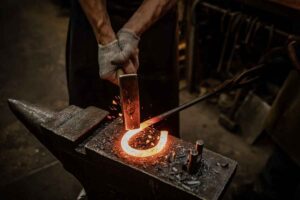
The revival of traditional crafts has brought renewed attention to blacksmithing as both an artistic pursuit and a viable small-scale profession. Modern artisans are rediscovering the satisfaction of shaping metal by hand, creating functional tools, architectural elements, sculpture, and custom hardware that cannot be replicated by mass production. As interest grows, many blacksmiths are seeking workshop spaces that are durable, adaptable, and safe for high heat and heavy equipment. Metal buildings have emerged as one of the most practical and flexible solutions for housing artisan blacksmith workshops.
Metal structures offer a balance of strength, openness, and customization that aligns well with the demands of forging work. From rural homesteads to light industrial zones and educational craft centers, these buildings provide controlled environments where fire, steel, and creativity can coexist. With thoughtful design, a metal building can support traditional forging methods while integrating modern safety, ventilation, and workflow efficiency. Understanding how to plan and outfit such a space is essential for any blacksmith aiming to build a productive and enduring workshop.
How Does Interior Layout Influence Blacksmith Productivity?
The internal layout of a blacksmith workshop directly impacts efficiency, safety, and creative flow. Metal buildings offer wide, clear span interiors that allow for flexible arrangement of work zones. This open space makes it easier to position forges, anvils, grinding stations, welding areas, and material storage in a way that minimizes unnecessary movement.
A well-planned layout typically centers the forge as the heart of the shop, with the anvil positioned within easy reach to reduce heat loss and physical strain. Metal buildings accommodate this classic forge anvil relationship while allowing sufficient clearance for swinging hammers and handling long stock. Clear span construction also supports future rearrangements as tools evolve or production scales increase.
What Role Does Ventilation Play in Metal Blacksmith Shops?
Ventilation is one of the most critical design considerations in any blacksmith workshop. Forges generate smoke, fumes, and heat that must be managed effectively to maintain air quality and worker comfort. Metal buildings can be designed with high ceilings, roof vents, and wall louvers that promote natural airflow while allowing hot air to rise and escape.
Mechanical ventilation systems can also be integrated with relative ease. Exhaust hoods positioned above forges, combined with intake vents at lower elevations, create controlled air movement that removes combustion byproducts. The structural strength of metal framing supports ducting and fans without extensive reinforcement, making it easier to fine-tune ventilation as forging methods change.
How Can Metal Buildings Handle Extreme Heat Conditions?
Heat management is essential in blacksmith workshops, particularly in warm climates or during long forging sessions. Metal buildings respond well to insulation strategies that balance thermal control with fire safety. Reflective roof insulation, insulated wall panels, and radiant barriers help moderate internal temperatures without trapping excess heat near forging areas.
High ceilings further enhance thermal comfort by allowing hot air to rise above working height. Clerestory openings and ridge vents release accumulated heat, reducing reliance on active cooling. When designed correctly, a metal building can remain workable even during intense forging periods, preserving both equipment longevity and artisan stamina.
What Flooring Options Work Best in Metal Blacksmith Workshops?
Flooring choices significantly affect safety and ergonomics in blacksmith shops. Concrete slabs are commonly used in metal buildings due to their strength and fire resistance. Properly reinforced concrete supports heavy machinery and resists damage from dropped tools or hot metal.
Some blacksmiths enhance concrete floors with removable rubber mats in standing areas to reduce fatigue. Others incorporate recessed sand trays near anvils to cushion dropped workpieces and absorb sparks. Metal buildings easily accommodate these flooring adaptations, allowing artisans to tailor surfaces to their working style without structural limitations.
How Do Metal Buildings Support Traditional and Modern Forging Equipment?
One of the defining advantages of metal buildings is their ability to support a wide range of forging tools. Traditional hand forging setups coexist comfortably with modern power equipment such as hydraulic presses and mechanical hammers. Steel framing handles point loads and vibration far better than lighter construction methods.
Overhead beams can be designed to support hoists or crane systems for moving heavy stock and finished pieces. This capability expands the scope of work possible within the shop, enabling blacksmiths to take on larger commissions or collaborate with other metal artisans. The adaptability of metal structures ensures that equipment upgrades do not require rebuilding the entire facility.
Why Is Fire Safety Easier to Manage in Metal Workshops?
Fire safety is an ever-present concern in blacksmithing. Metal buildings provide inherent advantages by minimizing combustible structural elements. Steel framing does not contribute fuel to a fire, allowing artisans more time to respond if an incident occurs.
Fire separation can be incorporated through strategic zoning within the building. Forge areas, grinding stations, and finishing spaces can be spaced apart to reduce spark travel. Metal walls and partitions further enhance containment. With proper planning, a metal workshop becomes a controlled environment where fire risks are acknowledged and managed rather than feared.
What Acoustic Considerations Matter in Metal Blacksmith Shops?
Blacksmithing is inherently noisy, with hammer strikes, grinding, and machinery generating significant sound levels. Metal buildings can amplify noise if acoustics are not addressed. However, thoughtful design can mitigate this issue effectively.
Acoustic insulation panels, perforated wall liners, and ceiling treatments help absorb sound and reduce echo. These measures improve communication within the shop and reduce fatigue caused by constant noise. In community or educational settings, acoustic control also minimizes disturbance to surrounding areas, making metal workshops more socially compatible.
How Can Metal Buildings Be Adapted for Teaching and Demonstration?
Many artisan blacksmiths share their craft through workshops, apprenticeships, and demonstrations. Metal buildings provide the flexibility needed for educational functions. Open floor plans allow for safe spectator zones where students can observe forging without interfering with workflow.
Designated teaching areas with clear sight lines to the forge and anvil enhance learning experiences. Additional ventilation and safety barriers can be incorporated to protect participants. Metal structures accommodate these features while maintaining the rugged functionality required for daily production work.
What Storage Solutions Work Best in Metal Blacksmith Workshops?
Efficient storage is essential for managing raw materials, tools, and finished products. Metal buildings support vertical storage solutions that make use of wall height without compromising floor space. Racks for bar stock, shelving for hand tools, and secure cabinets for consumables can be anchored directly to steel framing.
Separate storage zones for fuel, fluxes, and chemicals enhance safety and organization. Metal walls and partitions resist damage from heavy use, ensuring that storage systems remain secure over time. This organization supports smoother workflows and reduces the risk of accidents caused by clutter.
How Do Metal Buildings Perform in Rural and Urban Settings?
Blacksmith workshops can thrive in both rural and urban environments, and metal buildings adapt well to each context. In rural settings, they offer quick installation and durability against weather extremes. Their straightforward construction suits remote locations where maintenance resources may be limited.
In urban or semi-urban areas, metal workshops can be designed with architectural finishes that blend into surrounding developments. Facade treatments, landscaping, and controlled noise management allow blacksmith shops to coexist with residential or commercial neighbors. This versatility broadens opportunities for artisans seeking accessible locations.
How Can Metal Buildings Be Customized for Artistic Expression?
Although metal buildings are often associated with utilitarian aesthetics, they offer ample opportunity for creative expression. Exterior finishes, window placements, and entry designs can reflect the artisan identity of the blacksmith. Interior details such as exposed steel framing and custom-fabricated elements reinforce the craft narrative.
Blacksmiths often incorporate their own work into the building itself, forging railings, doors, and fixtures that showcase skill and craftsmanship. A metal workshop becomes both a functional space and a living portfolio, communicating the artisan’s story to visitors and clients alike.
What Permitting and Zoning Factors Should Be Considered?
Establishing a blacksmith workshop requires attention to local regulations. Metal buildings generally comply well with building codes due to standardized engineering and predictable performance. Their clear documentation simplifies permitting processes in many jurisdictions.
Zoning considerations may include noise, emissions, and commercial activity limits. Proper design choices, such as sound control, ventilation, and operating hours, help address these concerns. Planning ensures that the metal workshop remains compliant and sustainable over the long term.
How Do Metal Buildings Support Business Growth for Blacksmiths?
As blacksmithing evolves from hobby to profession, workspace needs often expand. Metal buildings support growth through modular design and scalability. Additional bays or extensions can be added without disrupting existing operations.
This scalability allows artisans to respond to increased demand, add equipment, or diversify offerings. Whether producing custom hardware, artistic sculpture, or teaching classes, a metal workshop adapts alongside the business. This long-term flexibility makes it a sound investment for serious blacksmiths.
Why Are Metal Buildings a Long-Term Investment for Artisan Crafts?
The durability and adaptability of metal buildings make them particularly well-suited for artisan crafts that value longevity. Blacksmithing traditions emphasize tools and techniques that endure across generations. Housing this craft in a structure that mirrors those values creates alignment between space and practice.
Maintenance requirements for metal buildings are generally low, preserving resources for creative work rather than repairs. Over the decades, the workshop has remained a reliable partner in the artisan journey. This resilience supports both personal satisfaction and professional sustainability.
What Does the Future Hold for Metal Blacksmith Workshops?
As interest in handcrafted goods continues to grow, blacksmith workshops are finding renewed relevance. Metal buildings provide a foundation that supports both tradition and innovation. Advances in building design, insulation, and environmental control further enhance their suitability for forging environments.
Future workshops may integrate digital tools, collaborative spaces, and community engagement areas while retaining the core forge anvil relationship. Metal structures are uniquely positioned to support this evolution. They stand as modern vessels for an ancient craft, ensuring that blacksmithing remains vibrant and accessible for generations to come.