
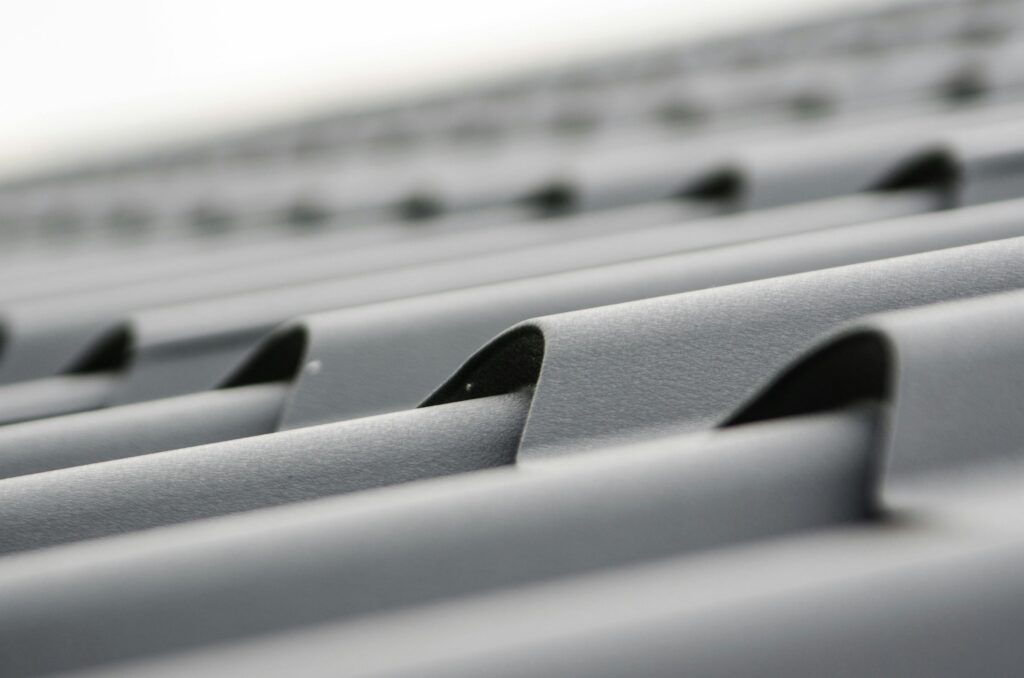
Metal roofing has become a popular choice in the field of construction. The durability, energy efficiency, and modern aesthetic of a metal roof offer compelling benefits.
Still, the first question most people ask is related to the cost. It is easy to see why. The idea of switching to a metal roofing system raises concerns about budget and affordability.
The upfront expense of installing a metal roof is typically higher than traditional materials like asphalt shingles. This fact alone makes some people hesitant. It is important to understand what contributes to those costs and what the price tag includes. The material type, roof size, design complexity, labor rates, and geographic location all influence how much a metal roof installation will ultimately cost.
Rather than focusing solely on the upfront investment, consider the broader context. Metal roofing systems often last two to three times longer than conventional options. They require less maintenance and frequently offer long-term energy savings. Understanding the full picture will help determine if the higher initial expense is justified for your specific situation.
Types of Metal Roofing and Their Impact on Price
The price of a metal roof can vary significantly based on the type of metal used. Steel, aluminum, zinc, and copper are the most common materials available. Each one has its own cost range, level of durability, and visual appeal.
Steel is one of the most popular and affordable options for metal roofing. It is strong, widely available, and typically coated with protective finishes such as galvanized or galvalume layers. Aluminum is lightweight, corrosion resistant, and ideal for coastal environments, but it tends to be more expensive than steel. Zinc and copper offer unique looks and extremely long lifespans but are significantly more costly.
In addition to the metal type, the style of the roofing panels will also influence pricing. Corrugated metal panels are usually more budget friendly and easier to install. Standing seam panels provide a sleek appearance and enhanced weather resistance but are more labor intensive to install and often come at a higher cost.
Material selection is a critical factor in determining the cost of your roof. Budget, design preferences, and environmental conditions will all play a role in this decision.
Labor and Installation Complexity
Labor costs can make up a significant portion of the total expense involved in installing a metal roof. Unlike asphalt shingles, which many contractors are familiar with, metal roofing requires specialized skills and tools. Cutting, aligning, and fastening metal panels take precision and experience. Mistakes can lead to leaks, poor ventilation, or structural issues.
Complex roof designs add further cost. If your roof has multiple valleys, peaks, dormers, or chimneys, the installation becomes more time consuming and requires careful customization of each panel. These added details increase the labor cost and the amount of material waste.
Access to the roof and the condition of the existing structure also affect labor. A steep pitch or high elevation makes the job more dangerous, requiring additional safety equipment. If the current roof must be removed before the new one is installed, that demolition process adds to the expense as well.
Contractors with strong reputations, proper insurance, and professional certifications tend to charge higher rates. In exchange, you gain peace of mind knowing that the job is being done correctly, minimizing the likelihood of costly repairs down the road.
Geographic Differences in Pricing
Location plays a major role in determining the overall cost of a metal roof. Prices for materials, labor, and permitting can vary widely from one region to another. In urban areas with higher living expenses, contractors may charge more for their services. Remote or rural locations may face increased delivery fees for materials and limited availability of specialized labor.
Climate also influences costs. In regions with heavy snowfall, high winds, or intense heat, building codes often require additional reinforcements, fasteners, or insulation. These factors can raise the price of the project. In coastal areas where salt exposure is a concern, corrosion-resistant materials such as aluminum or specially coated steel are necessary, increasing the total cost.
Local permit requirements, taxes, and inspection fees may add more to the final bill. It is wise to research regional construction standards and speak with contractors familiar with your area to get a clear picture of what your specific project might cost.
Comparing Metal Roofs to Other Roofing Options
Asphalt shingles remain the most common roofing material in many parts of the world due to their lower cost and ease of installation. On average, the cost of asphalt roofing can be less than half the price of a metal system. For homeowners on a tight budget, this difference may be a deciding factor.
However, the long-term performance of a metal roof can offset that initial price difference. While an asphalt roof may last fifteen to twenty years, a well-installed metal roof can remain intact for forty to seventy years or more. Over time, replacing shingles once or twice during the lifespan of a metal roof brings the overall cost closer together.
Wood shakes, clay tiles, and slate are also alternatives to metal, each with their own benefits and price points. Wood and slate roofs offer a natural look but can be expensive and require significant maintenance. Clay tiles are durable but heavy and costly to install. In many cases, metal roofs offer a balance of performance, weight, and durability that justifies their cost in the long run.
Energy Efficiency and Cost Savings
One of the key advantages of metal roofing is energy efficiency. Metal panels reflect sunlight and heat instead of absorbing it, helping to keep the interior of the building cooler during warm months. This can lead to significant reductions in cooling costs, especially in climates with long summers.
Some metal roofs are designed with cool roof coatings that improve reflectivity and thermal performance even further. Over the life of the roof, these savings add up. In some cases, property owners have reported energy savings of ten to twenty percent after installing a metal roof.
Insulation and ventilation also play a role in maximizing energy efficiency. When combined with proper attic insulation and airflow, a metal roof contributes to a more stable indoor climate. These savings do not always show up immediately but become apparent in utility bills and comfort over time.
Energy efficient building upgrades may also qualify for tax credits, rebates, or insurance discounts. Check with local authorities or your insurance provider to see if installing a metal roof brings added financial benefits.
Maintenance and Repair Costs Over Time
Metal roofs are known for requiring minimal maintenance compared to other materials. They do not rot, crack, or warp, and they are resistant to insects, mold, and mildew. While no roof is completely maintenance free, a metal system offers significant long-term savings in upkeep.
Routine inspections should be performed to check for loose fasteners, dents, or sealant issues. These problems are usually minor and easy to correct. If installed properly, metal panels rarely leak or require major repairs.
Extreme weather events can cause damage to any roof. Hail, falling branches, or high winds may dent or shift panels. Still, the modular nature of metal roofing often allows for easy replacement of damaged sections without needing to replace the entire roof.
Unlike asphalt shingles that degrade and lose granules over time, metal roofing retains its appearance and performance for decades. This durability reduces the cost of maintenance, repairs, and replacements across the lifespan of the roof.
Resale Value and Investment Perspective
Installing a metal roof can increase the resale value of your home or property. Potential buyers often view a metal roof as a premium upgrade that provides long-term reliability. A newer roof made of durable material can be a strong selling point during real estate transactions.
In some markets, metal roofing is associated with modern design or energy conscious living, making the property more attractive. Buyers who are aware of the long lifespan and low maintenance needs of metal roofs may be willing to pay more upfront for a home with one already installed.
Property value increases may not always equal the full cost of the roof, but they help offset the investment. If you plan to stay in your home for many years, the return is even more favorable. You benefit from lower energy costs, fewer repairs, and peace of mind knowing that your roof will not need replacement anytime soon.
Weighing Costs Against Longevity and Peace of Mind
The decision to install a metal roof involves more than comparing price tags. It requires a thoughtful consideration of value, performance, and long-term savings. A metal roof may appear expensive at first glance, but its lifespan, energy efficiency, and low maintenance profile can make it a smart investment over time.
Budget remains a real concern for many property owners. The higher upfront cost must be manageable, and financing options should be explored if needed. Some contractors offer payment plans or connections to lenders that specialize in home improvements. Look for reputable professionals who provide transparent estimates and realistic timelines.
Talk to other property owners who have installed metal roofs and ask about their experiences. Seeing the results in person can help you visualize the benefits and make a confident decision.
Let me know if you’d like the article to continue to full length or delivered in parts, and I will be happy to complete it.