
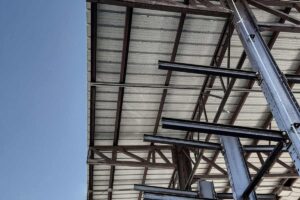
Metal garages are valued for their durability, affordability, and fast construction. But in hot climates, they can easily become heat traps. The same metal properties that provide strength also conduct heat, leading to interior temperatures that are uncomfortable for people. As temperatures rise globally and energy costs increase, relying solely on mechanical cooling systems is no longer the most sustainable or cost-effective solution for metal garage owners.
Passive cooling strategies offer a smarter alternative. By using design principles that leverage natural airflow, solar orientation, shading, and thermal behavior, metal garages can remain significantly cooler without relying heavily on air conditioning. Integrating these strategies from the planning stage or through retrofits can transform a metal garage into a functional, comfortable, and energy-efficient space even in extreme heat.
What Is Passive Cooling and Why Is It Important for Metal Garages?
Passive cooling refers to design and construction methods that reduce indoor temperatures without using mechanical systems. Instead of relying on electricity-driven cooling equipment, passive strategies manage heat gain, promote heat dissipation, and encourage natural ventilation. In hot climates, this approach is especially valuable because it lowers operating costs and reduces strain on power systems.
Metal garages benefit greatly from passive cooling because metal conducts heat quickly. Without mitigation, a metal roof and walls absorb heat throughout the day and radiate it inward, causing internal temperatures to soar. Passive cooling techniques counteract this by limiting heat absorption, enhancing airflow, and preventing heat buildup. The result is a garage that stays cooler, protects stored assets, and supports a wider range of uses.
How Does Solar Heat Gain Affect Metal Garage Temperatures?
Solar heat gain is one of the primary reasons metal garages overheat. Direct sunlight striking the roof and walls transfers energy into the structure, which then radiates into the interior space. In hot climates, this process occurs for many hours each day, often peaking in the afternoon when ambient temperatures are already high.
Metal amplifies this effect because it has high thermal conductivity. Heat moves quickly through steel panels, raising interior temperatures faster than in wood or masonry structures. Without proper design intervention, a metal garage can become hotter inside than the surrounding outdoor environment. Passive cooling strategies focus on reducing solar exposure and interrupting heat transfer before it reaches the interior.
How Can Building Orientation Reduce Heat Load in Hot Climates?
Orientation plays a critical role in passive cooling. Positioning a metal garage to minimize direct sun exposure during the hottest parts of the day can significantly reduce heat gain. In many hot regions, the most intense solar radiation comes from the east and west, where low-angle sunlight strikes walls directly.
By orienting the garage so that its longest walls face north and south, solar exposure is easier to control. The roof can also be designed to reflect or deflect sunlight more effectively. Thoughtful orientation does not eliminate heat gain, but it reduces the overall thermal load the structure must manage throughout the day.
Why Is Roof Design Central to Passive Cooling in Metal Garages?
The roof is the largest surface area exposed to the sun and therefore the greatest contributor to heat gain. In hot climates, roof design determines how much heat enters the building and how efficiently it can escape. Metal roofs that lack insulation or ventilation can become extremely hot, transferring that heat downward into the garage.
Passive cooling strategies for roofs include reflective finishes, ventilated roof assemblies, and increased roof pitch to encourage heat movement. A well-designed roof allows hot air to rise and exit while limiting the amount of radiant heat that reaches the interior. Addressing roof performance is often the single most impactful passive cooling improvement.
How Do Reflective Roof Coatings Improve Thermal Performance?
Reflective roof coatings are designed to bounce a large percentage of solar radiation away from the structure. Light colored or specially engineered reflective finishes prevent the roof from absorbing excessive heat, keeping surface temperatures lower throughout the day.
In metal garages, reflective coatings are particularly effective because they work directly with the metal surface. By reducing roof temperature, less heat is transmitted into the garage interior. This simple passive solution can lower interior temperatures by several degrees and extend the lifespan of roofing materials by reducing thermal stress.
How Can Ridge Vents and Roof Vents Enhance Natural Airflow?
Ridge vents and roof vents allow hot air to escape from the highest point of the garage, where heat naturally collects. As hot air exits, cooler air is drawn in from lower openings, creating a continuous airflow cycle known as the stack effect.
In metal garages, ridge vents are especially effective because they span the length of the roof, providing consistent heat release. Roof vents can supplement this system by targeting specific hot zones. Together, these features reduce peak temperatures and improve overall air circulation without mechanical assistance.
Why Are Wall Openings and Louvers Important for Passive Cooling?
While heat escapes through the roof, fresh air must enter through lower openings to maintain airflow. Wall openings, louvers, and strategically placed vents allow cooler outside air to replace hot interior air.
In hot climates, these openings should be positioned to capture prevailing breezes while minimizing direct sunlight penetration. Adjustable louvers provide flexibility, allowing airflow to be controlled based on weather conditions. This balance ensures ventilation without introducing excessive heat or dust.
What Types of Insulation Are Best Suited for Hot-Climate Metal Garages?
Reflective insulation, rigid foam panels, and spray-applied insulation are commonly used in metal garages. Reflective insulation reduces radiant heat transfer, while foam-based products provide resistance to conductive heat flow.
The best choice depends on climate severity, garage use, and budget. In extremely hot regions, combining insulation types can yield superior performance. Regardless of material, proper installation is critical to avoid gaps and thermal bridges that compromise effectiveness.
How Does Shading Reduce Heat Gain Around Metal Garages?
Shading is one of the most intuitive and effective passive cooling strategies. By blocking direct sunlight before it reaches the garage surface, shading dramatically reduces heat absorption.
Shading can be achieved through landscaping, architectural features, or auxiliary structures. In hot climates, even partial shading during peak sunlight hours can significantly lower interior temperatures and improve comfort.
Can Landscaping Contribute to Passive Cooling?
Landscaping plays a surprisingly powerful role in cooling metal garages. Trees, shrubs, and vines provide natural shade and create cooler microclimates through evapotranspiration. Vegetation near the garage reduces reflected heat from surrounding surfaces such as pavement or bare soil.
Planting strategies should consider growth patterns, root systems, and maintenance needs. When thoughtfully implemented, landscaping enhances both thermal performance and visual appeal.
How Do Overhangs and Awnings Improve Thermal Comfort?
Architectural shading devices such as roof overhangs and awnings block high-angle sunlight from striking walls and openings. In hot climates, these features are especially effective on south-facing elevations.
Overhangs can be designed to allow winter sunlight while blocking summer heat, providing seasonal adaptability. For metal garages, these additions reduce wall temperature and limit radiant heat entering through doors and windows.
What Role Does Color Choice Play in Passive Cooling?
Color selection directly affects how much heat a metal garage absorbs. Dark colors absorb more solar radiation, while light colors reflect it. In hot climates, lighter exterior finishes are a simple yet powerful passive cooling tool.
Choosing reflective or light colored panels for roofs and walls can lower surface temperatures significantly. While aesthetic preferences matter, balancing appearance with thermal performance leads to better long-term outcomes.
How Can Thermal Mass Be Used Effectively in Metal Garages?
Thermal mass refers to materials that absorb and store heat, releasing it slowly over time. While metal itself has low thermal mass, incorporating concrete floors or masonry elements can help regulate temperature.
In hot climates, thermal mass works best when paired with nighttime ventilation. The mass absorbs heat during the day and releases it when temperatures drop, helping stabilize interior conditions. This strategy is particularly useful for garages used as workshops or multipurpose spaces.
Why Is Nighttime Ventilation Important in Hot Regions?
Nighttime ventilation takes advantage of cooler evening temperatures to flush out accumulated heat. By opening vents or windows at night, stored heat is released, preparing the garage for the next day.
Metal garages respond quickly to temperature changes, making nighttime ventilation especially effective. This strategy requires secure openings and thoughtful design but delivers substantial cooling benefits without energy consumption.
How Can Door and Window Design Support Passive Cooling?
Doors and windows influence both heat gain and ventilation. Large openings facilitate airflow but can also introduce heat if poorly shaded or oriented.
In hot climates, doors and windows should be positioned to encourage cross ventilation while minimizing direct sun exposure. Insulated doors and shaded windows further reduce unwanted heat transfer.
What Challenges Are Unique to Retrofitting Passive Cooling into Existing Metal Garages?
Retrofitting existing metal garages presents challenges such as limited structural modification options and budget constraints. Adding insulation or ventilation after construction requires careful planning to avoid moisture issues or structural compromise.
Despite these challenges, many passive cooling upgrades can be implemented incrementally. Reflective coatings, added vents, and shading solutions offer meaningful improvements without extensive reconstruction.
How Can Passive Cooling Be Balanced with Security and Weather Protection?
In hot climates, ventilation openings must be designed to maintain security and protect against rain, dust, and pests. This balance is critical for garages used to store valuable equipment or vehicles.
Design solutions include screened vents, lockable louvers, and elevated openings that prevent water intrusion. Passive cooling should enhance functionality without creating vulnerabilities.
What Long-Term Benefits Do Passive Cooling Strategies Provide?
Beyond immediate comfort, passive cooling delivers long-term benefits such as reduced energy costs, extended building lifespan, and improved environmental performance. Lower interior temperatures protect stored items and reduce maintenance demands.
For metal garages in hot climates, these strategies increase versatility, allowing the space to serve as more than simple storage. Over time, passive cooling investments often pay for themselves through operational savings and enhanced usability.
How Does Passive Cooling Support Sustainable Building Goals?
Passive cooling aligns with sustainability by reducing reliance on energy-intensive cooling systems. It lowers carbon emissions and promotes efficient use of natural resources.
In hot climates where cooling demand is high, passive strategies significantly reduce environmental impact. Metal garages designed with these principles contribute to broader goals of resilience and responsible construction.
Conclusion
Integrating passive cooling strategies in hot climate metal garages transforms a traditionally heat-prone structure into a functional, comfortable, and efficient space. By addressing solar heat gain, enhancing ventilation, incorporating insulation, and using shading and orientation wisely, metal garages can maintain manageable temperatures without heavy reliance on mechanical systems.
These strategies are not limited to new construction. Many can be applied to existing garages through thoughtful retrofits that deliver immediate and long-lasting benefits. In an era of rising temperatures and energy awareness, passive cooling is no longer optional but essential. For metal garage owners in hot climates, embracing these principles ensures durability, comfort, and sustainability for years to come.