
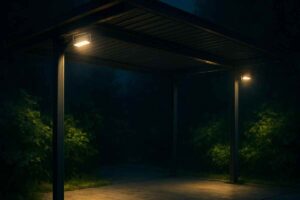
Metal carports are valued for their simplicity, durability, and protective function, but lighting is often an afterthought in their design. As carports increasingly serve multiple purposes such as vehicle storage, work areas, and transitional spaces between home and outdoors, proper lighting becomes essential for safety, security, and convenience. Motion-activated lighting offers a practical solution by providing illumination only when needed, reducing energy use while enhancing visibility.
Installing motion-activated lighting in a metal carport is not just a cosmetic upgrade. It is a functional improvement that can deter theft, prevent accidents, and make daily routines easier, especially during nighttime or low-light conditions. Understanding how motion-activated systems work and how they interact with metal structures allows homeowners and property managers to design lighting setups that are reliable, efficient, and long-lasting.
What Is Motion-Activated Lighting and How Does It Work
Motion-activated lighting relies on sensors that detect movement within a defined area and trigger lights to turn on automatically. The most common sensors use passive infrared technology, which detects changes in heat patterns caused by moving people, animals, or vehicles. When motion is sensed, the system sends a signal to activate the light for a preset duration.
In a metal carport, these systems are particularly effective because the open structure allows sensors to monitor wide areas. Once movement stops, the lights turn off after a specified time, conserving energy and extending bulb life. This automatic operation eliminates the need for manual switches and ensures illumination is available exactly when required.
Why Is Motion Activated Lighting Ideal for Metal Carports
Metal carports are often detached or semi-exposed structures where lighting may be forgotten or left on unnecessarily. Motion-activated lighting solves this problem by responding instantly to activity. This is especially beneficial when arriving home with hands full or navigating around vehicles and equipment at night.
Additionally, carports are common targets for theft or vandalism due to their open nature. Sudden illumination triggered by motion can startle intruders and draw attention to the area. This makes motion-activated lighting a valuable security enhancement without the complexity of full surveillance systems.
How Does Metal Construction Affect Lighting Installation
The metal construction of carports influences both mounting options and electrical considerations. Metal framing provides strong attachment points for fixtures, but it also requires attention to grounding and insulation to ensure electrical safety. Wiring must be properly protected from sharp edges and weather exposure.
Metal surfaces can reflect light effectively, which enhances illumination coverage. This reflective quality allows fewer fixtures to light a larger area when positioned correctly. However, it also requires careful aiming of lights to avoid glare or excessive brightness.
What Types of Motion Sensors Are Best for Carports
Choosing the right motion sensor depends on the layout and usage of the carport. Passive infrared sensors are commonly used because they are reliable and energy efficient. They work best in areas where the temperature contrast between moving objects and the background is clear.
Microwave sensors are another option, emitting signals that bounce off objects and detect movement through changes in reflection. These sensors can cover larger areas and detect motion through some obstructions, but they may be more sensitive to false triggers. Dual technology sensors combine both methods to improve accuracy and reduce unwanted activation.
Where Should Motion-Activated Lights Be Placed
Placement is critical for effective motion-activated lighting. Lights should be positioned to cover entry points, walking paths, and vehicle access areas. Mounting fixtures at an appropriate height ensures optimal sensor range and reduces blind spots.
In metal carports, lights are often installed along support beams or roof edges. Proper placement avoids direct exposure to passing traffic or neighboring properties, which could cause unnecessary activation. Thoughtful positioning ensures that lights respond to relevant movement while remaining unobtrusive.
How Do You Power Motion-Activated Lights in a Carport
Motion-activated lights can be powered through hardwired electrical connections, solar panels, or battery systems. Hardwired systems offer consistent performance and are ideal for carports connected to a building with existing electrical infrastructure.
Solar-powered lights are popular for detached carports or off-grid properties. They rely on integrated panels that charge during the day and store energy for nighttime use. Battery-powered systems provide flexibility but require regular maintenance to replace or recharge batteries. The choice depends on location, usage frequency, and access to power sources.
What Are the Wiring Considerations for Metal Structures
Wiring in a metal carport must comply with electrical codes and safety standards. Conduits are often used to protect wires from moisture, physical damage, and corrosion. Proper grounding is essential to prevent electrical hazards and ensure system reliability.
Weather-resistant fixtures and connectors are necessary due to exposure to rain, humidity, and temperature changes. Using outdoor-rated components extends the lifespan of the system and reduces the risk of failure. Consulting a licensed electrician can help ensure safe and compliant installation.
How Can Motion-Activated Lighting Improve Safety
Safety is one of the primary benefits of motion-activated lighting. Illuminating the carport when someone enters reduces the risk of trips, falls, or collisions with vehicles or stored items. This is especially important for households with children, elderly residents, or frequent nighttime activity.
Lighting also improves visibility during tasks such as loading vehicles, unloading groceries, or performing minor repairs. Automatic activation ensures that light is available instantly, without fumbling for switches in the dark.
What Role Does Motion Lighting Play in Security
Motion-activated lighting is a proven deterrent against unauthorized access. Sudden illumination can discourage intruders and alert occupants to activity near the carport. When combined with strategic placement, lighting can eliminate dark corners that provide concealment.
In some cases, motion-activated lights can be integrated with alarm systems or cameras. This layered approach enhances overall security while maintaining simplicity and ease of use.
How Do You Adjust Sensitivity and Detection Range
Most motion-activated lights allow adjustment of sensitivity and detection range. Fine-tuning these settings is essential to prevent false triggers caused by pets, wind-blown debris, or distant movement.
In a metal carport, adjusting the sensor angle and range ensures that lights activate when vehicles enter or people walk through, but remain off during irrelevant activity. Proper calibration balances responsiveness with efficiency.
What Light Output and Color Temperature Work Best
Light output is measured in lumens and determines brightness. A metal carport typically requires moderate to high lumen output to ensure adequate coverage. Reflective metal surfaces can enhance brightness, allowing slightly lower output to be effective.
Color temperature affects the appearance and functionality of lighting. Neutral or cool white light improves visibility and security, while warmer tones create a more inviting atmosphere. Selecting the right balance depends on personal preference and intended use.
How Energy Efficient Are Motion-Activated Lighting Systems
Motion-activated lighting is inherently energy efficient because lights operate only when needed. This reduces electricity consumption compared to lights that remain on continuously. When combined with LED technology, energy savings are even greater.
LED bulbs consume less power, produce minimal heat, and have long lifespans. This makes them ideal for motion-activated systems in metal carports, where maintenance access may be limited.
Can Motion-Activated Lighting Be Integrated with Smart Systems
Modern motion-activated lighting can integrate with smart home systems, allowing remote control and monitoring. Through mobile apps or home automation platforms, users can adjust settings, receive alerts, and coordinate lighting with other devices.
In a metal carport, smart integration adds convenience and flexibility. Lights can be programmed to operate differently based on time of day or occupancy patterns, enhancing both security and efficiency.
How Does Weather Exposure Affect Performance
Metal carports are exposed to the elements, making weather resistance a key consideration. Motion-activated lights must be rated for outdoor use and capable of withstanding rain, dust, heat, and cold.
Extreme temperatures can affect sensor accuracy and battery performance. Choosing high-quality fixtures designed for outdoor environments ensures consistent operation throughout the year. Proper installation also minimizes exposure to direct rain or debris.
What Maintenance Is Required for Motion-Activated Lights
Maintenance requirements are generally minimal but should not be overlooked. Periodic cleaning of sensors and lenses ensures accurate detection and consistent light output. Dust, spider webs, or dirt can interfere with sensor performance.
Checking wiring, mounts, and power sources periodically helps identify issues before they lead to failure. Solar-powered systems may require panel cleaning to maintain charging efficiency. Regular maintenance extends system lifespan and reliability.
How Do You Avoid False Activations
False activations can be frustrating and reduce the effectiveness of motion-activated lighting. Proper sensor placement, sensitivity adjustment, and selection of appropriate sensor technology help minimize this issue.
Avoiding placement near moving foliage, reflective surfaces, or heat sources reduces unwanted triggers. In a metal carport, careful alignment ensures that sensors focus on intended activity zones.
What Are the Aesthetic Considerations
While functionality is primary, aesthetics also matter. Motion-activated lights come in various designs that complement metal carport styles. Sleek fixtures blend seamlessly with modern structures, while more traditional designs suit rustic or residential settings.
Concealed wiring and coordinated finishes maintain a clean appearance. Thoughtful design ensures that lighting enhances the carport without drawing unnecessary attention during daylight hours.
How Does Installation Complexity Vary
Installation complexity depends on the chosen power source and system type. Solar and battery-powered lights are typically easier to install and require minimal wiring. Hardwired systems involve more planning and may require professional assistance.
Metal carports offer structural advantages for mounting fixtures, but careful planning ensures that installation does not compromise structural integrity or weather resistance. Evaluating complexity early helps set realistic expectations.
What Are Common Mistakes to Avoid
Common mistakes include improper sensor placement, inadequate weather protection, and insufficient grounding. Using indoor-rated fixtures outdoors can lead to premature failure.
Another mistake is overlighting the area, which can cause glare or light pollution. Balanced design focuses on adequate coverage without excess brightness.
How Do Motion-Activated Lights Enhance Daily Convenience
Beyond safety and security, motion-activated lighting adds everyday convenience. Automatic illumination simplifies routines such as parking, unloading, or accessing storage areas at night.
For households with varying schedules, lights that respond to presence eliminate the need to coordinate manual operation. This seamless functionality enhances the overall usability of the carport.
What Long-Term Benefits Do These Systems Provide
Over time, motion-activated lighting delivers cost savings through reduced energy consumption and longer bulb life. Improved safety and security reduce risks and potential losses.
Metal carports equipped with efficient lighting systems also add value to the property. They demonstrate thoughtful design and attention to functionality, appealing to future buyers or tenants.
How Should You Plan a Motion Lighting Upgrade
Planning begins with assessing carport size, layout, and usage patterns. Identifying key areas for illumination guides fixture placement and sensor selection.
Considering future needs, such as vehicle changes or expanded use, ensures that the system remains effective over time. A well-planned upgrade delivers lasting benefits without unnecessary complexity.
Conclusion
Installing motion-activated lighting in your metal carport is a practical investment that enhances safety, security, and convenience while promoting energy efficiency. By understanding how these systems work and how they interact with metal structures, property owners can design lighting solutions that are reliable, effective, and visually appealing.
With thoughtful planning, proper installation, and regular maintenance, motion-activated lighting transforms a simple carport into a well-lit, secure, and functional space. As technology continues to advance, these systems will remain a smart and adaptable choice for modern metal carports.