
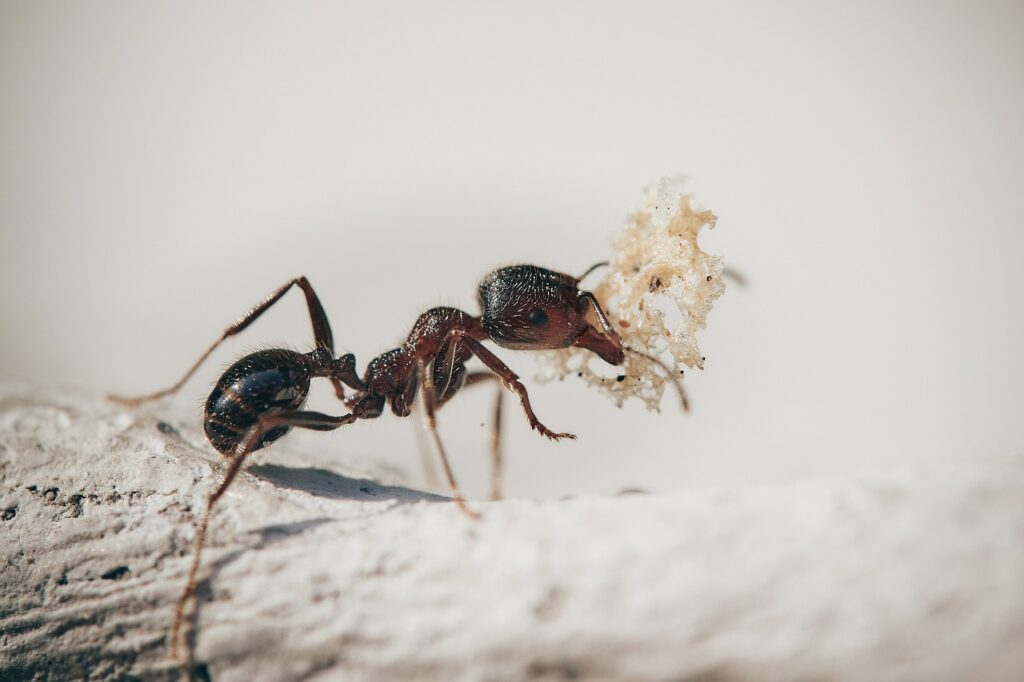
Ants may look harmless, as small as they are. But harmless, they are not.
These little insects can turn any structure into a battleground. Even metal buildings, known for durability and protection, face threats when ants establish colonies nearby or inside. These small insects invade seeking food, moisture, or shelter.
Their presence can damage insulation, compromise stored goods, and create unsanitary conditions. Preventing ant infestations involves understanding their behavior, eliminating attractants, sealing entryways, monitoring populations, and applying targeted treatments. Proactive strategies ensure your building remains safe and functional. This comprehensive guide will walk you through effective methods to keep ants outside where they belong.
Understanding Ants and Their Habits
Ants are incredibly adaptive social insects that live in highly structured colonies. Each colony is typically made up of a queen, worker ants, and in some cases, soldier ants that protect the nest. Their survival depends on cooperation and communication through scent trails, which allow them to locate food and recruit others efficiently. Ants often forage in groups and can travel long distances from their nests in search of food. Depending on the species, some may establish their colonies in soil beneath concrete foundations, while others nest in wood, insulation, or even electrical conduits. Their ability to organize and respond quickly to changes in their environment makes them tough opponents in any structure they invade.
Different ant species have varying preferences, which can influence how and where they infest a metal building. Moisture-loving ants like the odorous house ant or Argentine ant may target bathrooms, kitchens, or HVAC systems with condensation. Carpenter ants, which are larger and more damaging, do not eat wood but tunnel through it to create nesting galleries, compromising structural elements. Sugar ants and pavement ants are notorious for invading stored food and leaving behind trails that attract more ants over time. Ants can fit through the tiniest cracks and crevices, making unsealed entry points vulnerable. Once inside, they can multiply rapidly, and if left unchecked, a small issue can turn into a major infestation.
Recognizing early signs of an ant infestation is key to preventing serious problems. Trails of worker ants marching in and out of the building, small piles of soil or debris near cracks, or faint rustling sounds in walls can all point to active colonies. A sudden appearance of flying ants may signal the presence of a mature colony ready to expand through swarming. Paying attention to these indicators and identifying the specific ant species involved will help in choosing the most effective prevention or elimination strategy. Awareness and regular inspection are your first lines of defense in maintaining a pest-free metal building.
Recognizing Sightings and Signs
A clear sign of ant activity is a visible trail. Worker ants stream in organized lines toward food sources. A humming of movement or momentary clusters in corners often signals nesting. Chewed insulation or mud tubes serve as signs ants tunnel through building materials. Small piles of sawdust indicate carpenter ants have drilled. Identifying these signs early enables targeted cleaning or professional intervention. Monitor daily and log any noticing of trails, nests, or damage.
Inspection Strategy and Seasonal Timing
Ant activity peaks in spring and summer. Warm, damp weather encourages colony expansion. Inspect before and after these seasons to identify potential entry points or attractants. Walk the perimeter, examining doors, vents, window frames, utility line holes, and interior floor-wall junctions. Shine a flashlight along ceiling edges and floor seams. Thorough inspections help detect initial activity allowing for early treatment.
Moisture Management and Drainage
Ants require moisture. Standing water from leaky pipes or condensation creates insect havens. Maintain proper drainage systems. Repair dripping gutter joints and roof flashing promptly. Use dehumidifiers in humid climates or poorly ventilated areas. Prevent plants from growing too close to building walls. Their moisture-laden soil fosters insect migration. Proper moisture control also limits mold and mildew that attract ants.
Food Storage and Sanitation
Food, even crumbs or sticky residue, attracts ants. Keep the building clean. Sweep or mop daily. Store food in airtight containers. Dispose of trash regularly. Clean areas where deliveries or work occur. Use cleaners that leave no fragrance behind. Provide separate trash bins in frequently used zones. Placing floor mats at entry points helps protect from tracked food. Strict sanitation reduces ant motivation.
Structural Sealing and Barrier Creation
Sealing tiny gaps around doors, windows, vents, and piping entrances removes their pathways. Metal buildings may appear solid but seams between panels created accommodation points for ants. Use weather-resistant caulk or silicone in these areas. Install door sweeps on exterior doors. Repair torn vent screens and replace vents with fine-mesh insect barrier models. Some professionals recommend perimeter treatments with granular insecticide. Preventive barriers keep ants from reaching entry points.
Landscaping and Site Preparation
Vegetation near metal building walls forms bridges for ants. Trim plants and shrubs so they do not touch the building. Maintain a clear zone at least two feet wide around the exterior. Remove mulch or wood chips near walls. Replace with gravel or concrete as non-attractive surfaces. Inspect trees near roof edges—overhanging branches become access routes. Regular trimming and maintenance reduce ant bridge opportunities.
Interior Protection Methods
Inside, focus on board edges, machinery undersides, storage cabinets, and food zones. Glue traps near baseboards collect crossing ants and provide quick infestation insights. Use liquid bait stations in low-traffic zones. The ants collect poisoned bait and transport it back to the colony. Choose bait or gel formulations effective for your ant species. Monitor traps and bait frequently, refreshing as needed to maintain effectiveness.
Storage and Materials Practices
Boxes or materials on the floor serve as convenient nests. Keep items off the ground on metal shelving or racks. Pallets alone on concrete floors are better than ground storage. Use plastic bins with tight lids for long-term storage. Avoid straw, cardboard, or wooden containers. Rotate supplies every few months and inspect them before use.
Monitoring and Ongoing Assessment
Routine inspections should be scheduled weekly during high ant seasons. Track trap and bait station engagement levels. Photograph suspected colonies or trails. Undertake follow-up area inspections once treatments appear successful. Stay observant for reinvasion after heavy rain or sprinkler use. Seasonal summary logs help detect patterns and refine prevention work.
When Professional Help is Needed
Large or hidden infestations call for trained pest control specialists. They identify species and colony structures, enabling customized treatment plans. Licensed technicians can install perimeter barriers or gel treatments that reach hidden brood chambers. Ask providers about building-safe materials and expected treatment durations. Aim for a service warranty that includes follow up visits.
Safety and Environmental Considerations
Pesticide safety matters inside and outside. Choose low-toxicity bait products certified for indoor use. Follow manufacturer label instructions carefully. Avoid contaminating stored food or animal areas. Temporary restricted access or covering surfaces may be necessary during treatment. Inform staff or tenants when treatments occur. For environmental responsibility, use only products designed for residential applications and follow disposal guidelines.
Long-Term Strategies and Resistance Management
Over time, colonies may become bait-resistant. Rotate bait formulas periodically when ants show reduced interest. Combine chemical and mechanical strategies. Keep landscaping tidy and building edges sealed. Combine perimeter treatments with indoor sanitation. Use monitoring data logs to measure success. Continuously apply combined strategies to reduce the risk of resistant colonies.
Benefits of Pest-Free Metal Buildings
Ant-free metal barns preserve lifespan by protecting insulation, wiring, structural components, and documentation. Maintenance costs fall with fewer pest repairs. Productivity improves in food storage or agriculture applications. Clean facilities increase compliance with health or safety regulations and enhance visitor confidence. Proactive pest control ensures the value of investment remains uncompromised.
Planning for Prevention and Response
Successful pest prevention relies on strong initial setup and consistent follow up. Plan inspections during regular maintenance schedules. Partner with industry-certified pest professionals or invest in training. Allocate small portion of operating budget for ongoing pest materials and home care products. Document results, leak repairs, or landscape modifications to track performance. A well-maintained building prevents ant entry and infestation.
Conclusion
Protecting metal buildings from ants requires vigilance, structure, and maintenance. Routine inspections, moisture control, sanitation, barrier installation, and monitoring collectively create effective prevention. Though ants may not damage steel walls directly, their nests and activity weaken structural systems and create contamination issues. Investing in prevention is far less costly than dealing with established infestations. With the correct approach, metal buildings can remain clean, safe, and pest-free for years to come.