
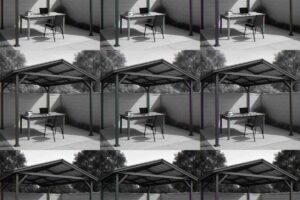
The way students learn is evolving. Schools are increasingly recognizing the value of flexible environments that support well-being. Outdoor study spaces have become especially important as educators seek to balance academic rigor with physical comfort, mental health, and adaptability. Carports, which are traditionally designed to shelter vehicles, are now being reconsidered as versatile structures that can be transformed into covered outdoor study areas.
Designing carports for educational use offers a practical and cost-effective solution for institutions with limited indoor space or budgets. These structures already provide shade protection from rain and a defined footprint that can be adapted for seating technology and collaborative learning. A carport study area can become a vibrant learning hub that supports independent study groups, work, tutoring sessions, and informal instruction.
How Can Carports Be Repurposed as Study Spaces
Carports already offer a structural framework that is well-suited for outdoor study areas. Their open sides allow airflow while the roof protects from the sun and rain. Repurposing a carport involves rethinking its layout, materials, and features to prioritize comfort, usability, and safety rather than vehicle storage.
The first step is assessing the existing structure for size, load capacity, and orientation. A carport intended for study use should have enough clearance to accommodate seating tables, lighting, and possibly technology such as power outlets. By enhancing the structure with thoughtful design elements, the carport can transition from a utilitarian shelter into an inviting academic environment.
What Location Considerations Matter When Designing Study Carports
Location plays a critical role in the success of a covered outdoor study area. The carport should be situated in a quiet zone away from heavy traffic, mechanical noise, or other distractions. Proximity to classrooms, libraries, or dormitories can make the space more accessible and encourage regular use.
Sun path and prevailing winds should also be considered. Positioning the carport to minimize direct afternoon sun while capturing cooling breezes can significantly improve comfort. Landscaping elements such as trees, shrubs, or hedges can further buffer noise and provide visual calm, which enhances concentration.
How Does Climate Influence Carport Study Area Design
Climate conditions determine many aspects of design, from roof materials to ventilation strategies. In hot climates, the priority is reducing heat buildup through reflective roofing materials, insulation, and open-sided designs that promote airflow. Ceiling height also matters since higher roofs allow hot air to rise away from occupants.
In cooler or rainy climates, wind protection and moisture control become more important. Partial side panels, retractable screens or strategically placed walls can shield students from wind and rain without fully enclosing the space. Durable materials that resist moisture and temperature changes ensure the study area remains usable year-round.
What Roofing Choices Support Comfortable Outdoor Study
The roof is the most defining feature of a carport-based study area. Materials should provide effective shade while minimizing heat transfer. Metal roofing with reflective coatings is a common choice because it is durable, low-maintenance, and effective at deflecting solar heat.
Translucent panels can be incorporated to allow natural light while blocking harmful rays. This approach reduces the need for artificial lighting during the day and creates a bright, inviting atmosphere. Adequate roof slope and drainage systems are also essential to prevent water pooling and ensure long-term structural integrity.
How Can Seating and Furniture Be Integrated Thoughtfully
Seating and furniture determine how students use the space. Fixed benches and tables provide durability and order, while movable furniture allows flexibility for different activities. A mix of seating options, such as individual desks, communal tables, and lounge-style seating, can accommodate varied study preferences.
Materials should be weather-resistant and easy to clean. Wood treated for outdoor use metal frames with protective coatings and composite surfaces are practical choices. Ergonomics should not be overlooked since comfortable seating supports longer study sessions and reduces physical strain.
What Role Does Lighting Play in Outdoor Study Carports
Lighting extends the usability of a study carport into the evening and early morning hours. Natural light should be maximized through roof design and orientation, but artificial lighting is essential for consistency and safety.
Sof,t evenly distributed lighting reduces glare and eye strain. Overhead fixtures combined with task lighting at tables can create a balanced environment. Energy-efficient options such as solar-powered lights or low-energy LEDs align with sustainability goals and reduce operating costs.
How Can Power and Technology Be Safely Incorporated
Modern study spaces often require access to power for laptops, tablets, and other devices. Integrating electrical outlets into a carport study area must be done with safety and durability in mind. Weather-resistant outlets and conduit protect both users and equipment.
Wireless connectivity is equally important. Ensuring strong network coverage allows students to access online resources, collaborate digitally, and complete assignments efficiently. Technology integration should be discreet so it enhances functionality without overwhelming the natural aesthetic of the space.
What Acoustic Strategies Help Reduce Distractions
Outdoor environments can introduce noise from nearby activities, traffic, or weather. While complete sound isolation is not feasible, simple acoustic strategies can significantly improve the study experience. Using textured surfaces, acoustic panels, or vegetation can help absorb sound and reduce echoes.
Positioning the study area away from noise sources and orienting openings strategically can also minimize disruptions. Even small design choices, such as fabric-backed seating or ceiling treatments, can contribute to a more focused environment.
How Can Landscaping Enhance Outdoor Study Carports
Landscaping transforms a basic structure into a welcoming learning environment. Plants soften the visual impact of metal or concrete and create a sense of calm. Trees provide additional shade while shrubs define boundaries and improve privacy.
Green elements also contribute to thermal comfort by cooling the surrounding air. Incorporating planters, climbing plants, or green walls can further integrate the study carport into the campus or community landscape, making it feel intentional rather than improvised.
What Accessibility Features Should Be Included
Inclusive design ensures that all students can benefit from outdoor study spaces. Pathways leading to the carport should be smooth and wide enough for mobility devices. Seating arrangements should include spaces that accommodate wheelchairs and varying physical needs.
Lighting, signage, and layout should support visibility and ease of navigation. By considering accessibility from the outset, designers create spaces that are compliant with institutional standards.
How Can Safety and Security Be Addressed
Safety is a priority in any educational environment. Adequate lighting, clear sightlines, and visibility from nearby buildings help deter unwanted behavior. Security cameras or emergency call stations can be integrated discreetly if needed.
Structural safety is equally important. The carport must meet local building codes and withstand environmental loads such as wind and rain. Regular maintenance inspections ensure the space remains safe and reliable for daily use.
What Sustainability Practices Can Be Integrated Into Design
Sustainability aligns naturally with outdoor study carports. Using recycled or locally sourced materials reduces environmental impact. Solar panels integrated into the roof can generate power for lighting and outlets while demonstrating renewable energy principles to students.
Rainwater collection systems can support nearby landscaping and reduce runoff. Designing with longevity in mind minimizes waste and ensures the structure remains useful for years to come.
How Can Carport Study Areas Support Different Educational Levels
The design of a study carport can be adapted to suit different age groups and educational contexts. For younger students’ safety, durability, and supervision are key considerations. Bright colors, simple layouts, and clear boundaries support engagement and ease of use.
For secondary and higher education students, the focus may shift toward flexibility, technology access, and collaboration. Modular furniture, writable surfaces, and charging stations support more advanced academic activities and independent learning.
What Programming Opportunities Do Outdoor Study Carports Offer
Beyond individual study, outdoor carports can host a range of academic and community activities. Tutoring sessions, group discussions, workshops, and informal lectures can all take place in this flexible setting. The open environment encourages interaction and can make learning feel less formal and more accessible.
Programming the space with scheduled activities increases its value and visibility. When students see the area actively used, they are more likely to adopt it as part of their daily routine.
How Does Design Influence Student Wellbeing
The physical environment has a profound impact on student well-being. Outdoor study spaces reduce feelings of confinement and promote a connection to nature. This connection can lower stress levels, improve mood, and support overall mental health.
A thoughtfully designed carport study area signals that the institution values student comfort and balance. This perception can enhance student satisfaction, engagement, and sense of belonging within the learning community.
What Maintenance Considerations Ensure Long-Term Use
Maintenance planning ensures that the study carport remains functional and appealing. Materials should be selected for durability and ease of cleaning. Regular inspections of roofing, lighting, and electrical components prevent small issues from becoming major problems.
Clear responsibility for upkeep should be established, whether through facilities staff or community involvement. A well-maintained space reflects care and encourages respectful use by students.
How Can Community Partnerships Support These Projects
Community partnerships can enhance the development and use of carport study areas. Local businesses or organizations may sponsor furnishings, technology, or landscaping in exchange for recognition. Such partnerships can offset costs and strengthen community ties.
Involving students in design or maintenance projects can also foster ownership and learning opportunities. Hands-on participation connects academic concepts with real-world application.
What Budget Considerations Shape Design Decisions
Budget constraints influence material choices, size, and features. One advantage of using carports is their relatively low cost compared to constructing new buildings. Prioritizing essential elements such as shade, seating, and lighting ensures functionality even with limited funds.
Phased implementation allows institutions to add features over time as resources become available. This approach ensures that the space can grow and adapt without requiring a large initial investment.
How Can These Spaces Be Evaluated and Improved Over Time
Evaluation helps ensure that the study carport meets student needs. Gathering feedback through surveys, observation, or usage data provides insights into what works well and what could be improved. Adjustments to furniture layout, lighting, or scheduling can enhance effectiveness.
Continuous improvement keeps the space relevant and responsive. As learning methods evolve, the study carport can be updated to support new technologies and pedagogies.
Conclusion
Designing carports as covered outdoor study areas offers a creative and practical response to the evolving needs of students and educational institutions. By reimagining a familiar structure, designers can create flexible, comfortable, and engaging learning environments that extend beyond traditional walls. Thoughtful consideration of location, climate, materials, technology, and accessibility transforms a simple shelter into a meaningful academic space.
These study carports demonstrate that effective learning environments do not always require complex construction. With intentional design and community support, they can become integral parts of campuses and neighborhoods supporting academic success, wellbeing and connection to the outdoors. As education continues to adapt, these versatile spaces will play an increasingly valuable role in shaping how and where students learn.