
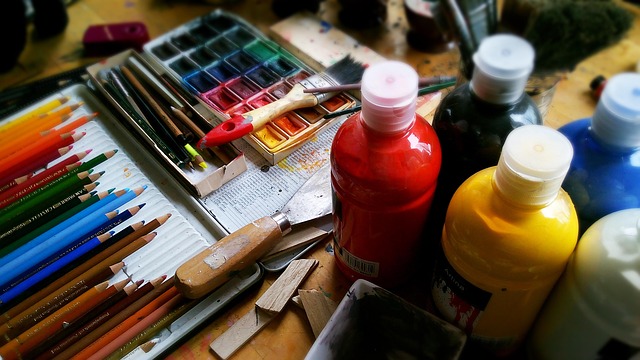
Artists often seek spaces that encourage creativity. Converting a steel shed into an art studio provides this advantage while also creating the opportunity to transform a utilitarian structure into a gallery-worthy environment. Unlike temporary workspaces or rented studios, a steel shed offers permanence/ It also provides the freedom to customize every detail to fit artistic needs.
The strength of a steel shed ensures a reliable foundation for an art practice. The large open spans can be configured to accommodate painting, sculpting, or mixed-media projects. At the same time, the transformation of a shed into a gallery-like studio enhances its value as both a workspace and a display venue. This makes it possible to invite collectors, clients, or fellow artists into a polished and inspiring setting.
When designed thoughtfully, a converted steel shed becomes more than just a functional space. It can serve as a creative sanctuary for artists. Here, they can showcase their masterpieces. It becomes a reflection of the artist’s unique vision.
How Can You Plan the Layout for Function and Flow?
The first step in designing an art studio inside a steel shed is planning a layout that supports both creative work and potential exhibitions. A functional layout requires clear zones: one for creating, another for storing supplies, and a more formal area for displaying finished work. These zones should connect seamlessly to encourage smooth transitions between activities without disrupting the flow of inspiration.
Consider the natural workflow of the artistic process. For example, messy areas such as painting stations or sculpting corners should be positioned away from clean display areas. Storage zones for canvases, brushes, paints, or equipment can be integrated along the periphery, while the center remains open for larger projects or communal workshops. This balance between practicality and presentation makes the shed not only a workspace but also a venue that is gallery-ready.
Flexibility is key. Modular furniture, movable walls, or rolling carts can ensure the studio evolves with projects. By designing the layout with adaptability in mind, the studio remains useful for years to come, accommodating shifts in artistic style, scale, and exhibition goals.
What Lighting Design Best Supports Creativity and Presentation?
Lighting is one of the most important elements of an art studio, especially when the space doubles as a gallery. Natural light is ideal for artistic creation, but it must be carefully controlled. Skylights, clerestory windows, or large glass doors can introduce soft daylight, while adjustable blinds or curtains help regulate brightness and prevent glare.
Artificial lighting is equally important. Track lighting allows for targeted illumination of works in progress and finished pieces, while overhead LED panels provide consistent, even light for detailed tasks. A combination of warm and cool lighting can create a dynamic environment where creative energy thrives during the day and exhibition-like ambiance takes over at night.
Thoughtful lighting placement not only improves the creative process but also elevates the space to gallery standards. Visitors to the studio will see the artwork displayed under professional-quality conditions, enhancing both perception and appreciation of the work.
How Do You Create Walls and Surfaces Suitable for an Art Studio?
The walls of a steel shed can be transformed into versatile surfaces for both working and displaying art. Insulating and finishing the interior walls with drywall or panels creates a neutral backdrop that supports focus during creation and enhances presentation during exhibitions. Neutral tones such as white or soft gray provide a timeless gallery aesthetic, ensuring that the artwork remains the focal point.
For artists working on large-scale canvases or murals, wall space can double as an active working surface. Installing wall-mounted easels, pegboards, or magnetic panels makes it easier to organize tools and materials within reach. In addition, durable flooring such as polished concrete, epoxy, or sealed wood ensures that the studio can handle spills, dust, and heavy equipment while maintaining an elegant appearance for gallery settings.
Surfaces should also accommodate flexibility. Sections of movable panels or modular walls allow the artist to reconfigure display setups quickly for open studios, client visits, or special events. This ability to adapt reinforces the dual function of the shed as both a creative hub and an exhibition-ready gallery.
How Can Ventilation and Climate Control Support Productivity?
An art studio must be comfortable and safe for extended periods of work. Steel sheds, while strong, can become hot in summer and cold in winter without proper modifications. Installing insulation, energy-efficient windows, and a reliable HVAC system ensures that the studio remains usable year-round.
Ventilation is particularly important for artists who work with paints, solvents, or adhesives. Proper airflow reduces the buildup of fumes, creating a healthier environment. Exhaust fans, ceiling fans, and operable windows can all contribute to maintaining fresh air circulation. In climates where humidity is an issue, dehumidifiers prevent mold or warping of delicate materials, further protecting both the artist and their creations.
Comfort directly impacts creativity. A well-ventilated, climate-controlled space minimizes distractions, allowing the artist to focus fully on their craft while ensuring visitors enjoy a pleasant gallery experience.
What Storage Solutions Are Ideal for Art Supplies and Finished Works?
Storage is often underestimated in art studio design, yet it plays a central role in maintaining order and efficiency. For supplies such as paints, brushes, canvases, or clay, organized shelving systems and labeled bins keep materials accessible while preserving valuable floor space. Vertical storage options maximize the high ceilings of steel sheds, providing ample room without cluttering the workspace.
Finished works require specialized storage to avoid damage. Flat files, padded racks, and protective cabinets keep artworks safe until they are ready for display. Additionally, a dedicated digital archive station within the studio can help catalog and photograph works for online portfolios, ensuring a balance between physical and digital organization.
A clean and well-structured storage system supports both productivity and professionalism. Clients visiting the studio will see not just creativity but also a sense of order that reinforces trust in the artist’s process.
How Do You Incorporate Gallery-Ready Display Features?
To transform a steel shed into a space that feels like a professional gallery, display features must be carefully integrated. Track lighting paired with movable panels or partitions allows for flexible exhibitions that can be reconfigured depending on the collection or theme. Adjustable hanging systems enable quick changes of artwork without damaging the walls, an important consideration for long-term use.
Adding a polished entryway, minimal furniture, and strategic signage elevates the space further. A small seating area for guests and collectors creates a welcoming atmosphere. Incorporating high-quality finishes, such as polished concrete floors or sleek wall panels, ensures that the studio feels intentional rather than improvised.
The goal is to blur the line between a working studio and a professional gallery. When visitors enter, they should immediately sense that they are in a creative space worthy of showcasing art, not just producing it.
What Role Does Technology Play in a Modern Studio?
Technology has become an essential component of creative work and exhibition practices. Integrating digital tools into a steel shed studio enhances efficiency and opens new opportunities for exposure. High-speed internet supports virtual tours, live-streamed exhibitions, and real-time collaboration with clients or fellow artists across the globe.
Smart systems for lighting, climate control, and security add convenience and peace of mind. Digital projectors or screens can be used for multimedia installations, expanding the range of artistic possibilities within the studio. Additionally, having a workstation for editing photos or creating digital art ensures that the studio caters to both traditional and modern creative practices.
By blending traditional craftsmanship with modern technology, the studio becomes a versatile environment that reflects the evolution of contemporary art.
How Do You Design for Community Engagement and Collaboration?
An art studio can thrive not only as a private workspace but also as a hub for collaboration and community. Designing the steel shed with flexibility for workshops, open studio days, or collaborative projects enhances its value beyond individual practice. A large central area with movable furniture can easily be reconfigured for group activities, fostering dialogue and exchange among artists and visitors.
Community engagement strengthens the role of the studio as a cultural space. Hosting small exhibitions, art talks, or collaborative projects attracts attention and builds relationships. This dual purpose of creation and engagement amplifies the shed’s significance, positioning it as both a personal sanctuary and a community resource.
By opening the doors to others, the artist transforms the steel shed into a place where creativity thrives collectively, adding another layer of depth to its gallery-worthy identity.
Conclusion: How Can a Steel Shed Truly Become Gallery-Worthy?
Designing a gallery-worthy art studio in a converted steel shed is a process that blends practicality with artistic vision. Through thoughtful planning, the structure evolves from a utilitarian space into a creative sanctuary and professional exhibition venue. With careful attention to layout, lighting, climate control, storage, and presentation, the shed becomes an environment that inspires productivity and welcomes visitors.
The adaptability of steel sheds makes them ideal for long-term use, allowing artists to evolve their space alongside their careers. A well-designed studio can serve as both a working environment and a showcase, reflecting the artist’s identity while meeting professional standards.
Ultimately, a steel shed art studio demonstrates that creativity thrives in spaces designed with intention. It proves that with vision and care, even the most practical structure can be transformed into a gallery-worthy setting where imagination takes center stage.