
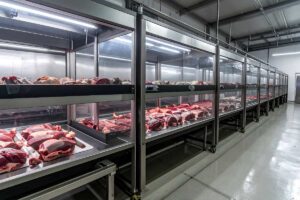
Food security has become a growing concern for communities, farmers, and local food networks as climate instability, supply chain disruptions, and rising costs challenge traditional food distribution systems. One critical yet often overlooked component of food security is access to reliable cold storage. Without proper temperature-controlled environments, harvested crops, dairy products, meat, and prepared foods can spoil quickly, leading to waste and economic loss. Innovative approaches to localized cold storage are increasingly necessary to support resilient food systems.
Insulated metal garages are emerging as a practical and scalable solution for cold storage needs. Originally designed for vehicle protection and general storage, these structures can be adapted into efficient cold storage facilities through insulation, climate control, and thoughtful layout planning. Their durability, affordability, and flexibility make them well-suited for farms, cooperatives, food hubs, and even community-based food security initiatives. This article explores how insulated metal garages can play a vital role in modern cold storage innovation and strengthen food security at local and regional levels.
Why Is Cold Storage Essential for Food Security?
Cold storage is fundamental to preserving food quality, safety, and nutritional value. Many food products begin to degrade immediately after harvest or processing if temperatures are not controlled. Refrigeration slows microbial growth, reduces enzymatic activity, and extends shelf life, allowing food to reach consumers in safe and usable condition.
Without adequate cold storage, producers are forced to sell quickly, often at lower prices, or discard unsold goods. This contributes to food waste and economic instability. Cold storage allows producers to time distribution strategically, respond to market demand, and reduce losses.
From a food security perspective, cold storage ensures that surplus production can be preserved and redistributed during periods of scarcity. It supports emergency food reserves and stabilizes supply chains during disruptions.
What Makes Insulated Metal Garages Suitable for Cold Storage?
Metal garages offer structural strength and adaptability that align well with cold storage requirements. Steel framing provides durability and resistance to pests, moisture, and wear. These qualities are essential in environments where temperature control and hygiene are critical.
Insulated metal garages can be designed to maintain consistent interior temperatures when paired with proper insulation systems. Walls and roofs can be upgraded with high-performance insulation to reduce heat transfer and prevent condensation. The airtight nature of metal panels supports energy efficiency and temperature stability.
Another advantage is modularity. Metal garages can be constructed in various sizes and expanded as storage needs grow. This scalability makes them suitable for small farms as well as larger food hubs.
How Does Insulation Transform a Metal Garage into Cold Storage?
Insulation is the foundation of cold storage performance. Without it, metal structures quickly absorb and transmit external temperatures. Insulation creates a thermal barrier that stabilizes interior conditions and reduces energy demand.
Common insulation options include spray foam, rigid panels, and insulated metal panels. Spray foam offers excellent air sealing and moisture resistance. Rigid insulation provides consistent thermal performance when installed correctly. Insulated metal panels combine structure and insulation into a single system, simplifying construction.
Proper insulation also prevents condensation, which can damage stored food and encourage mold growth. By controlling temperature and humidity, insulated metal garages create environments suitable for food preservation.
What Types of Food Can Be Stored in Insulated Metal Garages?
Insulated metal garages can support a wide range of food storage applications. Fresh produce, such as fruits and vegetables benefit from cool, stable temperatures that slow ripening and decay. Root crops and leafy greens can be stored for extended periods with proper humidity control.
Meat, dairy, and seafood require colder conditions and strict hygiene standards. With appropriate refrigeration systems, metal garages can meet these requirements. Processed foods and prepared meals can also be stored safely when temperature zones are clearly defined.
Some facilities use insulated metal garages for seed storage or value-added products such as jams, cheeses, or frozen goods. The versatility of these structures allows them to support diverse food security strategies.
How Are Refrigeration Systems Integrated into Metal Garages?
Refrigeration systems are tailored to the size and function of the storage facility. Walk-in coolers and freezers can be installed inside insulated metal garages to create controlled environments for specific products. These systems regulate temperature precisely and support food safety standards.
For larger spaces, centralized refrigeration units distribute cooled air throughout the garage. Zoning allows different temperature ranges within the same structure, supporting mixed storage needs. Backup power systems ensure continuous operation during outages.
Metal garages provide strong structural support for refrigeration equipment and allow efficient routing of electrical and mechanical systems.
How Is Temperature Consistency Maintained?
Temperature consistency is essential for preventing spoilage and maintaining food quality. Insulated metal garages reduce temperature fluctuations by minimizing heat gain and loss. Sealed doors, insulated floors, and controlled ventilation further enhance stability.
Monitoring systems track temperature and humidity in real time. Alerts notify operators of deviations, allowing quick intervention. Automated controls adjust cooling output based on internal conditions and external weather.
Consistent temperatures extend shelf life and protect food safety, making these facilities reliable components of food security infrastructure.
What Role Does Humidity Control Play in Cold Storage?
Humidity control is as important as temperature in many cold storage applications. Excess moisture can promote mold growth, while overly dry conditions can cause dehydration and quality loss.
Insulated metal garages can incorporate humidification or dehumidification systems, depending on storage needs. Produce storage often requires higher humidity, while dry goods and frozen products require low moisture environments.
Balancing humidity protects food integrity and reduces waste. Proper insulation and ventilation help maintain these conditions efficiently.
How Can Renewable Energy Be Integrated into Cold Storage Garages?
Metal garages are well-suited for renewable energy integration. Their roofs can support solar panels that generate electricity to power refrigeration systems. In rural or remote areas, solar energy reduces reliance on unstable grids.
Energy storage systems, such as batteries, allow facilities to operate during outages or peak demand periods. Hybrid systems combining grid power and renewables improve reliability.
Renewable integration enhances resilience and aligns cold storage operations with sustainable food system practices.
How Do Insulated Metal Garages Support Local Food Networks?
Local food networks rely on storage and distribution infrastructure to connect producers with consumers. Insulated metal garages can serve as aggregation points where food from multiple farms is stored, sorted, and distributed.
These facilities support farmers’ markets, community-supported agriculture programs, food banks, and institutional buyers. By providing localized cold storage, metal garages reduce transportation distances and preserve freshness.
Strengthening local food networks enhances community resilience and reduces dependence on distant supply chains.
How Can Communities Use Metal Garages for Food Security Initiatives?
Communities can use insulated metal garages as shared cold storage facilities. Cooperative ownership models allow multiple producers or organizations to access storage without individual investment. These shared spaces support collaboration and resource efficiency.
Emergency food reserves can also be housed in insulated metal garages. During natural disasters or supply disruptions, stored food can be distributed quickly to those in need.
Community-based cold storage improves access to fresh food and supports equitable food distribution.
What Safety and Sanitation Measures Are Required?
Food storage facilities must meet strict safety and sanitation standards. Insulated metal garages support washable surfaces, sealed floors, and controlled drainage systems that simplify cleaning and disinfection.
Pest control is enhanced by metal construction, which resists rodents and insects. Proper ventilation and filtration maintain air quality and prevent contamination.
Compliance with food safety regulations protects consumers and builds trust in local food systems.
How Do Insulated Metal Garages Compare to Traditional Cold Storage Buildings?
Traditional cold storage facilities are often expensive and time-consuming to construct. Insulated metal garages offer a faster and more affordable alternative without sacrificing performance.
Their modular nature allows phased development and customization. Maintenance costs are typically lower due to durable materials and simplified systems.
While large industrial facilities serve national supply chains, insulated metal garages fill a critical gap at the local and regional level.
How Scalable Are Insulated Metal Garage Cold Storage Solutions?
Scalability is one of the key strengths of metal garage-based cold storage. Facilities can start small and expand as demand increases. Additional bays, refrigeration units, or storage zones can be added without major disruption.
This scalability supports growing farms, expanding cooperatives, and evolving food security programs. Planning for future growth during initial design maximizes long-term value.
Flexible infrastructure allows food systems to adapt to changing conditions.
What Challenges Must Be Addressed When Using Metal Garages for Cold Storage?
Challenges include ensuring proper insulation installation, managing condensation, and maintaining reliable power. Poor design can lead to temperature instability or moisture problems.
These challenges are addressed through professional planning, quality materials, and ongoing maintenance. Training operators in system management improves performance and longevity.
With proper execution, insulated metal garages perform reliably as cold storage facilities.
Conclusion
Insulated metal garages represent an innovative and practical approach to cold storage that supports food security at multiple levels. Their durability, adaptability, and energy efficiency make them suitable for farms, communities, and local food networks seeking resilient storage solutions.
By preserving food quality, reducing waste, and strengthening local supply chains, these facilities contribute to more secure and sustainable food systems. As food security challenges continue to grow, insulated metal garages offer a scalable and accessible tool for safeguarding the food supply and supporting communities for the long term.