
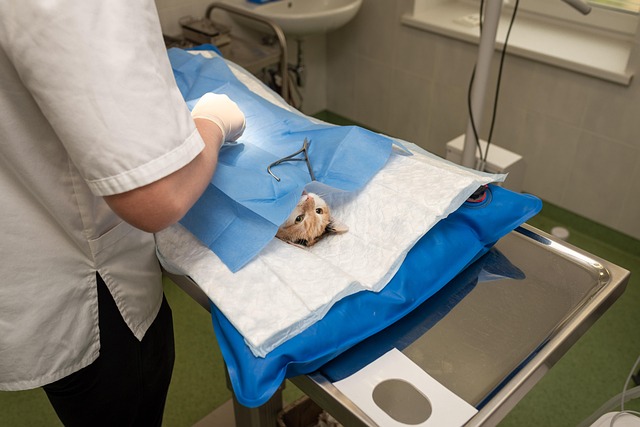
In our world today, pets are treated as family. That is why veterinarians are just as important as medical doctors and dentists when it comes to health care.
Like medical doctors and dentists, a vet can only do so much without a proper clinic. This should include a perfect place to perform surgery. One location they can build their surgery suite is inside a steel structure.
Why should you consider a steel structure for your veterinary surgery suite?
Many clinics today face challenges with expansion costs or the limitations of traditional brick or wood construction. A steel building provides the framework for adapting to new technologies and veterinary practices while maintaining resilience against time and environmental pressures. Veterinary care often requires specialized layouts with clear zoning for surgery, recovery, and storage, and steel buildings allow for this level of customization with fewer structural limitations.
Another reason steel structures are attractive for this purpose is their ability to meet sanitary requirements. Veterinary surgery suites must remain easy to clean, resistant to bacteria, and compliant with strict hygiene standards. With steel, interior surfaces can be adapted for medical-grade finishes and proper insulation without jeopardizing the structural integrity. Clinics can also integrate HVAC systems, proper air filtration, and sterilization zones with greater ease compared to more rigid building types.
Finally, the cost advantage cannot be ignored. Veterinary clinics are often run by practitioners with limited budgets compared to human hospitals. Steel structures keep upfront construction costs lower while allowing for long-term savings through energy-efficient design and reduced maintenance. For veterinarians looking to add or expand surgical capacity, this option creates an affordable yet high-quality solution.
What are the essential design considerations for a veterinary surgery suite?
Designing a veterinary surgery suite requires more than just space. It calls for a careful layout that prioritizes patient safety, practitioner efficiency, and strict adherence to sanitation. The design must include a reception or intake zone, examination areas, surgery theaters, recovery spaces, storage for medical supplies, and specialized waste disposal systems. Zoning becomes crucial to prevent contamination and to maintain a smooth flow of patients and staff.
Air circulation plays a vital role in this design. A steel structure allows the integration of advanced HVAC systems that support sterilized airflow, reduce the spread of pathogens, and create a comfortable environment for both animals and staff. Veterinary surgeries can release strong odors or involve infectious risks, and controlling the environment helps maintain compliance with health regulations while also improving the comfort of clients and their pets.
Lighting is another consideration. Natural light can reduce stress for animals, but surgical areas need consistent and controlled artificial lighting. A steel structure’s flexible design allows large windows in some zones and completely enclosed light-controlled spaces in others. The ability to blend these features creates a building that feels inviting for clients while still meeting technical surgical requirements.
How can flooring and surfaces contribute to hygiene?
Every veterinary surgery suite requires surfaces that are easy to sanitize and resistant to wear. The flooring should be nonporous, slip resistant, and durable under heavy use. Epoxy-coated floors or medical-grade vinyl are common choices because they prevent bacteria buildup and allow quick cleaning between patients. Steel structures can accommodate these flooring systems without difficulty, since the base can be prepared with smooth and level sublayers.
Wall and ceiling materials are equally important. Surfaces must not trap moisture or harbor contaminants. Medical-grade panels, tiles, or specialized coatings can be integrated into a steel structure’s framework. The design flexibility of steel construction makes it easier to include washable wall coverings, ceiling panels that resist condensation, and moisture-proof insulation that protects both animals and staff.
Attention to detail in these surfaces reduces the risk of infection, which is a critical concern in animal surgery. It also extends the lifespan of the facility by preventing mold, mildew, or long-term water damage. From an operational perspective, easy-to-clean surfaces shorten the turnaround time between patients, improving efficiency and the overall patient experience.
What role does ventilation play in surgical safety?
Ventilation is essential in any surgical facility because it helps maintain air quality, controls odors, and reduces pathogen spread. Veterinary surgeries can involve anesthetic gases, chemicals, and biological contaminants that require specialized removal systems. Steel structures are well suited to housing robust ventilation systems because their frames allow flexible placement of ductwork and vents without structural compromise.
Air changes per hour must be sufficient to keep surgical theaters sterile. Installing high-efficiency particulate air filtration ensures that airborne contaminants do not compromise patient safety. Recovery rooms also benefit from controlled airflow that keeps the environment calm and free from irritants. Proper separation of clean and contaminated zones within the ventilation plan helps maintain the integrity of sterile areas.
Comfort should also be considered. Staff spend long hours in these facilities, and a well-designed ventilation system reduces fatigue, improves focus, and supports overall wellbeing. For animals, proper airflow minimizes stress and aids in faster recovery after procedures.
How can electrical and plumbing systems be integrated into a steel structure?
Veterinary surgery suites depend heavily on reliable electrical systems to power surgical lights, monitors, sterilization equipment, and climate control systems. A steel building allows for flexible integration of wiring through wall panels and ceiling mounts without affecting the structural core. Planning must include multiple outlets, emergency backup systems, and clear separation of critical equipment lines from general circuits.
Plumbing also requires careful thought. Surgery suites often need specialized sinks, sterilization stations, and reliable water supply for cleaning. Drainage systems must meet strict health standards to prevent contamination. In a steel structure, plumbing can be incorporated into raised floors or wall cavities without limiting the adaptability of the space. These systems also need to accommodate future upgrades, since veterinary medicine is constantly advancing and may demand new technologies.
Accessibility to both electrical and plumbing systems is important for long-term maintenance. Steel structures allow for easy panel access, making routine inspections and repairs straightforward. This prevents costly downtime and ensures the clinic can continue providing uninterrupted service.
What are the safety and compliance requirements?
Veterinary surgery suites must meet rigorous standards for safety and compliance, often guided by local and international veterinary boards. These requirements cover everything from the storage of medical gases to the disposal of biological waste. A steel structure can be designed to meet or exceed these codes by incorporating secure storage areas, specialized ventilation systems, and containment solutions for hazardous materials.
Fire safety is another key factor. Clinics must include fire-resistant materials, emergency exits, alarms, and sprinkler systems. Steel naturally provides a higher degree of fire resistance compared to wood construction, making it a safer choice for medical facilities. Emergency power backup systems are also essential to ensure surgeries can continue even during power outages.
Compliance also extends to accessibility. Clients bringing in large animals or those with limited mobility need safe and convenient entryways. A steel building’s adaptability allows for ramps, wide doors, and loading bays designed specifically for veterinary use. Meeting these requirements not only avoids legal issues but also builds trust with clients.
How can technology improve the efficiency of a veterinary surgery suite?
Modern veterinary care relies heavily on technology. Digital imaging systems, anesthesia monitors, and computerized record keeping are now standard in advanced clinics. Steel structures provide the adaptability to install these systems in a way that supports workflow. From built-in cabling for data systems to reinforced walls for heavy equipment, the versatility of steel construction accommodates evolving technology.
Telemedicine has become increasingly relevant, allowing veterinarians to consult with specialists or update clients remotely. Incorporating dedicated spaces for video conferencing and digital record storage improves the client experience and supports collaboration across different veterinary practices. A steel facility can integrate server rooms, data security features, and soundproof offices to support this growing trend.
Surgical tools and diagnostic machines also demand stable environments. Steel buildings can be insulated and climate controlled to prevent damage to sensitive equipment. This level of integration ensures the facility remains at the cutting edge of veterinary care.
What are the financial advantages of building with steel?
Cost remains a decisive factor for most veterinary practices. Steel structures reduce upfront construction costs compared to brick or wood alternatives. They are also faster to erect, minimizing the time before the clinic can begin operations. For a business, reducing downtime directly impacts profitability.
Energy efficiency is another financial advantage. With proper insulation and design, steel buildings can maintain comfortable temperatures year-round with reduced utility expenses. Many practices also choose to incorporate renewable energy systems such as solar panels, which are easily integrated into steel rooftops. This investment further reduces long-term costs and demonstrates environmental responsibility to clients.
Maintenance expenses remain lower with steel. Resistance to pests, mold, and water damage means the building will last longer without costly repairs. These savings can be redirected toward new medical technologies, staff development, or expanded services, ensuring the practice continues to grow.
How does the client experience benefit from a steel-built facility?
Clients judge a veterinary practice not only on the skill of the staff but also on the environment. A well-designed steel structure provides a clean, professional, and welcoming space that reassures clients about the quality of care. Flexible layouts allow for comfortable waiting areas, private consultation rooms, and stress-free recovery spaces for animals.
A bright, organized, and hygienic facility also reflects positively on the reputation of the practice. Clients are more likely to recommend a clinic that feels modern and professional. The adaptability of steel buildings supports this by allowing interior designs that balance clinical efficiency with client comfort.
Parking, accessibility, and overall flow also impact the client experience. Steel buildings can be designed with generous entryways, covered walkways, and safe parking zones that accommodate everything from small pets to livestock trailers. These features add convenience and reinforce trust in the clinic.
Why does a steel structure make sense for veterinary surgery?
Building a veterinary surgery suite inside a steel structure combines practicality, efficiency, and modern design. It provides a cost-effective way to meet strict medical standards while also giving veterinarians flexibility to adapt as their practices grow. Steel buildings support advanced ventilation, sanitation, electrical, and plumbing systems that are essential for safe and effective surgeries.
The long-term benefits include reduced maintenance costs, greater energy efficiency, and the ability to integrate new technologies as veterinary medicine evolves. Clients benefit from a clean, professional environment that enhances their trust and confidence in the care provided. For veterinary professionals, the adaptability of steel construction ensures that their facility remains an asset rather than a limitation.
In today’s world, where animal healthcare is advancing rapidly and client expectations are higher than ever, choosing a steel structure for a veterinary surgery suite is not just a construction decision but a strategic investment in the future of the practice.