
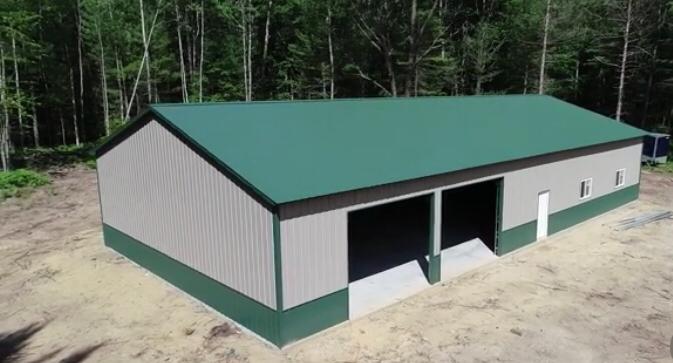
Metal buildings are popular for their durability, versatility, and cost-effectiveness, making them a common choice for various applications, including storage facilities, workshops, agricultural buildings, and even residential homes.
While metal buildings offer numerous benefits, such as resistance to pests, fire, and adverse weather conditions, it’s essential to be aware of potential dangers that may arise from certain factors associated with these structures.
Condensation
One of the primary concerns with metal buildings is condensation. Due to the temperature differentials between the interior and exterior of the building, condensation can form on metal surfaces, particularly during humid or cold weather conditions.
Excessive condensation can lead to moisture buildup inside the building, resulting in issues such as rust, corrosion, and mold growth. To mitigate this risk, proper insulation, ventilation, and moisture control measures should be implemented to maintain optimal indoor conditions and prevent moisture-related problems.
Poor indoor quality
Another potential danger associated with metal buildings is poor indoor air quality. If the building is not adequately ventilated, pollutants such as dust, fumes, and chemicals from stored materials or equipment can accumulate indoors, posing health risks to occupants.
Additionally, off-gassing from construction materials or volatile organic compounds (VOCs) used in building components can contribute to indoor air pollution. To ensure a healthy indoor environment, proper ventilation systems should be installed to facilitate air circulation and filtration, minimizing the buildup of contaminants and maintaining good air quality.
Fire
While metal is inherently fire-resistant, certain factors, such as the presence of flammable materials or inadequate fire protection measures, can increase the risk of fire-related incidents. It’s essential to implement appropriate fire prevention and suppression measures, such as installing fire-rated insulation, smoke detectors, and fire extinguishers, to minimize the risk of fire and ensure the safety of occupants and property.
Structural integrity
Over time, factors such as corrosion, metal fatigue, and improper construction practices can compromise the structural stability of the building, increasing the risk of collapse or structural failure. Regular inspections, maintenance, and repairs are essential to identify and address potential issues promptly, ensuring the structural integrity and safety of the building.
Conclusion
While metal buildings offer numerous benefits, it’s essential to be aware of potential dangers associated with these structures and take proactive measures to mitigate risks and ensure the safety of occupants and property. By addressing factors such as condensation, indoor air quality, fire safety, and structural integrity, metal building owners can create a safe and healthy environment for occupants and protect their investment for years to come.