
Cold weather can significantly reduce the usability and comfort of a carport, especially in regions that experience low temperatures, frost, or seasonal cold snaps. While carports are designed as semi-open structures, they can still benefit greatly from added heating elements that improve functionality, protect vehicles, and enhance overall comfort. Integrating heating solutions into a carport allows homeowners and property managers to extend its usefulness throughout colder months without converting it into a fully enclosed garage.
Adding heating elements to a carport requires careful planning, proper equipment selection, and attention to safety considerations. Factors such as structure type, insulation level, electrical capacity, ventilation, and intended use all play a role in determining the most effective heating strategy. With the right approach, a heated carport can become a more versatile and valuable asset that supports vehicle care, outdoor activities, and year-round convenience.
Why Add Heating Elements to a Carport for Cold Weather
Cold weather can cause a variety of challenges, including frozen locks, icy windshields, thickened engine fluids, and discomfort when entering or exiting vehicles. Heating elements help maintain a more moderate temperature within the carport, reducing frost buildup and making daily vehicle use more convenient.
A heated carport can also protect stored tools, equipment, and supplies from temperature-related damage. In addition to vehicle protection, heating allows the space to serve as a functional work area, loading zone, or sheltered outdoor extension even during colder periods.
How Cold Weather Affects Vehicles in Carports
Vehicles parked in unheated carports are exposed to fluctuating temperatures, condensation, and cold air that can impact performance and longevity. Battery efficiency often decreases in cold conditions, making starting more difficult. Fluids such as oil, transmission fluid, and coolant may thicken, reducing efficiency and increasing wear.
Heating elements help stabilize temperatures around vehicles, minimizing stress on mechanical components and improving cold start reliability. Reduced frost and ice buildup also saves time and reduces the need for deicing chemicals or scraping.
What Types of Heating Elements Are Suitable for Carports
Several heating technologies can be adapted for carport use, each with distinct advantages and installation requirements. Radiant heaters, infrared heaters, electric space heaters, gas-powered heaters, and heated flooring systems are among the most common options.
The choice of heating element depends on factors such as carport size, openness, power availability, climate severity, and budget. Selecting the right heating system ensures efficient performance without unnecessary energy consumption.
How Radiant Heating Works in Open or Semi-Open Spaces
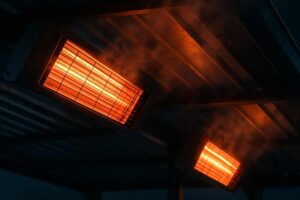
Radiant heaters emit infrared energy that warms objects and people directly rather than heating the surrounding air. This makes radiant heating particularly effective in carports, where open sides allow warm air to escape.
Infrared heaters can be mounted on ceilings, walls, or support beams to provide targeted warmth in key areas such as parking bays or work zones. Because radiant systems focus heat on surfaces and occupants, they deliver consistent comfort even in breezy or partially open environments.
Why Infrared Heaters Are Popular for Carports
Infrared heaters are widely favored for carport applications due to their efficiency, quick warm-up time, and ability to operate effectively in outdoor or semi-enclosed spaces. These heaters convert electrical or gas energy into radiant heat that travels directly to vehicles and people.
Their directional nature allows users to concentrate warmth where it is needed most, reducing wasted energy. Infrared heaters also require minimal maintenance and can be installed with relatively low structural modifications.
How Electric Heaters Compare to Gas-Powered Options
Electric heaters offer clean, low-maintenance operation and are ideal for carports with sufficient electrical capacity. They produce no emissions at the point of use, making them suitable for residential settings where air quality is a concern.
Gas-powered heaters, including propane and natural gas models, often deliver higher heat output and can be more cost-effective in areas with expensive electricity. However, gas heaters require proper ventilation, fuel storage considerations, and adherence to safety regulations.
How Partial Enclosures Improve Heating Efficiency
Adding partial enclosures such as side panels, windbreaks, or retractable curtains can enhance the performance of heating systems in carports. These features help block cold winds while still maintaining ventilation and an open feel.
Materials such as clear vinyl panels, polycarbonate sheets, or metal siding can be used to create semi-enclosed areas that trap warmth. Adjustable enclosures provide flexibility to adapt the carport for different seasons and weather conditions.
Why Heated Flooring Can Be Beneficial in Cold Climates
Heated flooring systems installed beneath concrete slabs or pavers provide consistent warmth that prevents ice formation and improves comfort. These systems use electric heating cables or hydronic tubing to distribute heat evenly across the floor surface.
In cold climates, heated floors reduce the need for snow removal and deicing chemicals. They also help dry moisture from vehicles, minimizing corrosion and improving overall cleanliness.
How Snow and Ice Management Improves Vehicle Protection
Heating elements can play a major role in snow and ice management within carports. Warm surfaces prevent snow accumulation on roofs and floors, reducing structural strain and slip hazards.
Maintaining a warmer environment around parked vehicles helps melt snow carried in from outside. This reduces moisture buildup and prevents ice from forming on door seals, locks, and windows.
What Electrical Considerations Are Needed for Heating Systems
Before installing electric heating elements, it is essential to assess the electrical capacity of the property. High-wattage heaters may require dedicated circuits or panel upgrades to handle the increased load.
Working with a licensed electrician ensures that wiring, breakers, and outlets meet safety standards. Proper electrical planning prevents overloads, reduces fire risk, and supports reliable heater operation.
How to Safely Install Gas Heaters in Carports
Gas heaters must be installed with careful attention to ventilation, clearance requirements, and fuel supply lines. Proper venting prevents the buildup of carbon monoxide and other harmful gases.
Clearance from vehicles, combustible materials, and structural elements is critical to avoid fire hazards. Professional installation and regular inspections help ensure safe and efficient gas heater performance.
How Heating Enhances Comfort for Maintenance and Work Activities
Many homeowners use carports as workspaces for vehicle maintenance, DIY projects, or storage organization. Cold weather can make these activities uncomfortable or impractical.
Heating elements allow the carport to function as a year-round workspace, supporting tasks such as oil changes, detailing, repairs, and hobby projects. Improved comfort encourages better productivity and longer use of the space.
What Smart Controls Improve Heating Efficiency
Smart thermostats and programmable controls allow users to manage heating schedules and temperature settings efficiently. Automated systems can adjust heat output based on outdoor temperatures, time of day, or occupancy.
Remote control features enable homeowners to activate heaters before arriving at the property. Smart technology reduces energy waste while ensuring the carport remains comfortable when needed.
Why Weather Sensors Enhance Heating Performance
Weather sensors can be integrated with heating systems to automatically adjust output based on outdoor conditions. Sensors that detect temperature, humidity, or snowfall help optimize heater operation.
For example, heaters can increase output during extreme cold or activate when snow is detected on floors or roofs. Automated responses improve efficiency and reduce the need for manual adjustments.
How Heating Elements Protect Tools and Equipment
Cold temperatures can damage tools, power equipment, and stored materials by causing condensation, corrosion, or brittleness. Maintaining a warmer environment in the carport helps preserve the condition of these items.
Heating also improves battery performance in power tools and prevents freezing of liquids such as lubricants and coolants. Protecting equipment extends its lifespan and reduces replacement costs.
What Fire Safety Measures Are Needed for Heated Carports
Installing heating elements introduces potential fire risks that must be managed through proper safety measures. Using heaters with built-in safety features such as tip-over protection, overheat shutoff, and flame failure devices reduces hazards.
Keeping heaters clear of flammable materials and maintaining adequate clearance around heat sources is essential. Smoke detectors, fire extinguishers, and regular inspections further enhance safety.
How Energy Efficiency Impacts Operating Costs
Energy efficiency is a key consideration when adding heating elements to a carport. Selecting high-efficiency heaters, improving insulation, and using smart controls help minimize energy consumption.
Balancing heat output with actual needs prevents unnecessary expenses. Over time, efficient systems deliver comfort while keeping operating costs manageable.
What Renewable Energy Options Support Carport Heating
Renewable energy sources such as solar panels can help offset the energy required for electric heaters. Installing solar arrays on carport roofs provides a sustainable power source that reduces reliance on grid electricity.
Battery storage systems allow excess solar energy to be stored and used during colder periods or nighttime. Renewable integration enhances environmental sustainability while lowering long-term energy costs.
How Seasonal Adjustments Improve Heater Performance
Heating needs vary throughout the year depending on weather conditions. Adjusting heater settings, schedules, and output levels seasonally ensures optimal performance without excessive energy use.
Reducing heat output during milder periods and increasing it during extreme cold maintains comfort while controlling costs. Seasonal maintenance, such as cleaning filters or checking gas connections, keeps systems running efficiently.
Why Professional Installation Improves Long-Term Results
While some portable heaters can be installed by homeowners, permanent heating systems benefit from professional installation. Experts ensure that wiring, mounting, ventilation, and safety requirements are properly addressed.
Professional installation reduces the risk of errors, improves system longevity, and provides peace of mind. It also ensures compliance with building codes and manufacturer specifications.
What Maintenance Is Required for Heated Carports
Regular maintenance ensures that heating elements operate safely and efficiently over time. Tasks may include cleaning heater components, checking electrical connections, inspecting gas lines, and testing safety features.
Routine inspections help identify potential issues before they become serious problems. Maintaining heating systems extends their lifespan and preserves reliable performance during cold weather.
How to Plan a Heating Upgrade for an Existing Carport
Planning a heating upgrade begins with assessing the carport’s size, openness, electrical capacity, and intended use. Identifying key areas that require warmth helps determine the most suitable heating solution.
Creating a budget, comparing equipment options, and consulting professionals support informed decision-making. A well-planned upgrade ensures that heating elements deliver maximum benefit without unnecessary expense.
Why Heated Carports Support Year-Round Lifestyle Convenience
A heated carport makes daily routines more comfortable and efficient during cold seasons. Entering a warmer space, starting a vehicle more easily, and avoiding frost or snow buildup improve overall convenience.
Beyond vehicle use, heated carports can serve as multipurpose spaces for gatherings, storage, hobbies, or seasonal projects. This added versatility enhances quality of life and maximizes the utility of the property.
Conclusion
Adding heating elements for cold-weather carport use transforms a simple shelter into a more functional, comfortable, and valuable structure. Through the use of radiant heaters, infrared systems, electric or gas-powered units, and heated flooring, carports can remain practical even in low temperature environments.
With thoughtful planning, proper installation, and ongoing maintenance, heating upgrades provide long-term benefits that extend beyond comfort. From improved vehicle protection and energy efficiency to enhanced property value and year-round usability, a heated carport represents a smart investment in convenience, safety, and functionality. If you want, I can expand this further to a more technical 3000-word version, tailor it for residential or commercial properties, or adapt it to colder climate regions.