
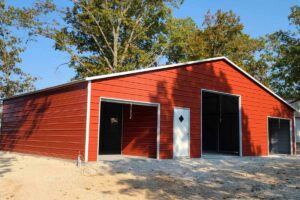
The rapid adoption of drones across agriculture, logistics, surveying, environmental monitoring, and security has created new infrastructure needs that go beyond simple storage. As drone operations become more frequent, operators require protected, centralized spaces for docking. Modern metal barns offer a practical solution for housing drone docking and maintenance stations. They are ideal environments for supporting small-scale and enterprise-level drone operations.
Using barns as drone docking and maintenance hubs aligns with broader trends in rural innovation. Farms, research centers, and logistics operators increasingly rely on drones for daily tasks. Integrating drone infrastructure inside barns allows operators to protect sensitive equipment and extend the lifespan of drone assets. This article from the Lion Barns explores how barns can be designed, equipped, and optimized to function as effective drone docking and maintenance stations.
Why Are Barns Suitable for Drone Docking and Maintenance Stations
Barns offer a combination of space, flexibility, and protection that few other structures can match. Their large interior spans allow for dedicated zones for docking, charging, repairs, and storage without crowding. Unlike smaller sheds or improvised spaces, barns can accommodate multiple drone systems, support equipment, and workstations while maintaining clear movement paths for personnel.
Structural strength is another key advantage. Metal barns in particular provide resistance to wind, rain, and temperature extremes that could damage sensitive electronics. By housing drone operations inside a barn, operators reduce exposure to dust, moisture, and ultraviolet radiation. This controlled environment improves reliability and reduces downtime caused by environmental damage.
What Types of Drone Operations Benefit from Barn-Based Stations
Agricultural drone operations are among the most common users of barn-based docking stations. Drones used for crop imaging, spraying, and livestock monitoring can launch directly from the barn and return for charging and maintenance. This minimizes transport time and keeps operations centralized near other farm equipment.
Beyond agriculture, barns can support drones used for infrastructure inspection, mapping, and emergency response. Rural logistics providers may also use barns as regional hubs for drone delivery systems. In each case, having a dedicated docking and maintenance space improves operational efficiency and supports more frequent and reliable drone missions.
How Should Interior Layouts Be Planned for Drone Stations
Effective layout planning begins with zoning the barn interior into functional areas. Docking zones should be positioned to allow safe takeoff and landing, either through large doors or roof openings. Maintenance areas should be separated to prevent interference with flight operations while remaining accessible.
Clear circulation paths are essential. Technicians need room to move drones between docking, inspection, and storage areas without obstruction. Workbenches, tool storage, and diagnostic equipment should be arranged logically to support efficient workflows. Adequate spacing also reduces the risk of accidental damage to drones and personnel.
What Docking Systems Work Best Inside Barns
Drone docking systems vary depending on fleet size and operational complexity. Simple docking pads with charging connectors may be sufficient for small fleets. Larger operations often require automated docking stations that handle battery charging, data transfer, and environmental monitoring.
Inside barns, docking systems benefit from stable mounting surfaces and consistent environmental conditions. Floor-mounted or wall-mounted docking units can be integrated into the barn structure. Automation systems may connect to fleet management software, allowing drones to autonomously return, recharge, and prepare for the next mission without manual intervention.
How Can Power and Charging Infrastructure Be Integrated
Reliable power is critical for drone operations. Barn-based stations should include dedicated electrical circuits to support chargers, diagnostic equipment, and lighting. Battery charging areas must be designed with proper ventilation and fire safety measures to manage heat and reduce risk.
Renewable energy integration is also possible. Solar panels mounted on barn roofs can supply clean energy for charging drones, reducing operating costs, and improving sustainability. Energy storage systems can provide backup power to ensure continuous operation during outages or peak demand periods.
What Environmental Controls Are Needed for Drone Maintenance
Temperature and humidity control play a major role in drone performance and longevity. Excessive heat, cold, or moisture can damage batteries, sensors, and circuit boards. Barns used for drone stations should include insulation and ventilation systems to maintain stable conditions.
In some cases, climate control systems may be required to keep sensitive equipment within manufacturer-recommended ranges. Dust control measures, such as sealed doors and filtered ventilation, help protect internal components during maintenance and storage.
How Can Safety Be Ensured Inside Drone Barns
Safety planning is essential when operating drones indoors. Clear protocols should define where drones can power on, take off, and land. Barriers or marked zones help keep personnel at a safe distance during active operations.
Fire safety is another concern. Battery charging areas should include fire-resistant surfaces and detection systems. Emergency shutoff controls and proper storage for spare batteries reduce risk. Training staff on safety procedures ensures that operations remain controlled and compliant with regulations.
What Role Does Data Management Play in Barn-Based Drone Stations
Modern drones generate large volumes of data that must be stored, processed, and transmitted securely. Barn-based stations can house servers or networking equipment to support data transfer and analysis. High-speed internet connectivity enables real-time uploads to cloud platforms or local databases.
Organizing data workflows within the barn improves efficiency. Dedicated workstations for data review and mission planning allow operators to analyze results and schedule future flights without leaving the site. This integration supports faster decision-making and more responsive operations.
How Can Barn Doors and Access Points Support Drone Operations
Barn access points must accommodate drone movement while maintaining security and environmental control. Large sliding or roll-up doors allow drones to enter and exit easily. Some barns may incorporate automated doors that open and close in sync with drone operations.
Roof-mounted openings or skylight-style hatches can also serve as launch and recovery points. These features must be carefully engineered to prevent water intrusion and maintain structural integrity. Proper placement reduces turbulence and ensures smooth flight transitions.
What Maintenance Activities Are Best Handled Inside Barns
Routine maintenance tasks such as cleaning, inspection, and calibration are well-suited to barn environments. Workbenches equipped with tools and diagnostic devices allow technicians to perform repairs efficiently. Storage racks can hold spare parts, propellers, and batteries in an organized manner.
More complex repairs may require specialized equipment or external service providers. However, having a well-equipped barn reduces the need for frequent off-site servicing. This lowers downtime and keeps drones mission-ready.
How Can Barn Design Support Scalability
As drone operations expand, barns should be able to adapt. Modular interior layouts allow operators to add docking stations, workbenches, or storage areas as fleet size grows. Electrical and networking infrastructure should be designed with future capacity in mind.
Scalability also applies to automation. Barns can initially support manual operations and later integrate autonomous docking and fleet management systems. Designing with flexibility ensures that the facility remains useful as technology evolves.
What Regulatory Considerations Apply to Drone Barns
Drone operations are subject to aviation and safety regulations that vary by region. Barn-based stations must comply with rules related to equipment storage, battery handling, and operational safety. Local building codes may also affect modifications such as roof openings or electrical upgrades.
Coordination with aviation authorities ensures that indoor operations do not conflict with flight regulations. Clear documentation of procedures and safety measures supports compliance and reduces legal risk.
How Do Barn-Based Stations Improve Operational Efficiency
Centralizing drone docking and maintenance inside a barn reduces travel time and logistical complexity. Drones can be deployed quickly and returned immediately after missions. Technicians have all the tools and equipment in one location, improving turnaround times.
Efficiency gains also come from better asset management. Organized storage and maintenance schedules extend equipment life and reduce unexpected failures. These improvements translate into cost savings and more reliable operations.
What Are the Security Advantages of Using Barns
Barns provide a secure environment for valuable drone equipment. Lockable doors, controlled access points, and surveillance systems protect assets from theft and vandalism. Housing drones indoors also reduces exposure to environmental hazards that could compromise security.
Security systems can integrate with drone management software, providing alerts and monitoring capabilities. This layered approach ensures that both physical and digital assets remain protected.
How Can Barn-Based Drone Stations Support Research and Innovation
Research institutions and technology developers can use barns as testing and development hubs. Controlled environments allow for experimentation with new docking systems, automation software, and maintenance techniques. Large interior spaces accommodate prototype testing without interference from external factors.
Innovation thrives in adaptable spaces. Barns can host collaborative teams working on drone design, software development, and operational optimization. This supports ongoing advancement in drone technology.
What Long-Term Benefits Do Drone Barns Provide
Investing in barn-based drone stations offers long-term operational stability. Equipment lasts longer, workflows become more efficient, and scalability is built into the infrastructure. These benefits support sustained growth and adaptability.
Barns also add value to properties by supporting advanced technology use. As drones become more integral to various industries, having dedicated infrastructure positions operators for future success.
Conclusion
Drone docking and maintenance stations inside barns represent a practical and forward-thinking approach to supporting modern drone operations. By leveraging the space, durability, and flexibility of barns, operators can create protected environments that enhance efficiency, safety, and scalability. Thoughtful design and integration of power, data, and environmental controls ensure that drones remain reliable and mission-ready.
As drone technology continues to evolve, barns will play an increasingly important role as operational hubs. From agriculture to logistics and research, barn-based stations provide the foundation needed to manage growing fleets and complex missions. With proper planning and investment, these facilities can support long-term innovation and operational excellence.