
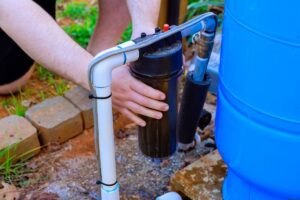
A metal garage’s role is expanding beyond simple vehicle storage. As sustainable building practices become increasingly important, property owners are looking for ways to make every structure work harder. One emerging solution is the integration of rainwater filtration systems directly into metal garages, transforming them into functional assets that actively support water independence and environmental responsibility.
By capturing, filtering, and storing rainwater, a metal garage can contribute to irrigation, cleaning, emergency reserves, and even potable water systems. This approach aligns well with sustainability-focused properties. It is equally relevant for suburban and commercial settings seeking to reduce utility costs. Understanding how these can be integrated into metal garage design is essential for anyone considering this forward-thinking upgrade.
Why Combine Metal Garages with Rainwater Filtration Systems
Metal garages provide an ideal platform for rainwater collection due to their large roof surfaces and smooth panel materials. Rainwater runoff from metal roofing is typically cleaner than runoff from asphalt shingles or older roofing materials, making it easier to filter and reuse. This natural compatibility makes metal garages a practical choice for integrating water harvesting systems without extensive retrofitting.
Beyond technical advantages, combining these systems supports broader sustainability goals. Capturing rainwater reduces reliance on municipal supplies, lowers water bills, and helps manage stormwater runoff that can strain local drainage systems. For properties in drought-prone regions or areas with limited infrastructure, this integration offers resilience and long-term value.
How Does Rainwater Collection Work on a Metal Garage
Rainwater collection begins with the garage roof acting as a catchment surface. When rain falls, water flows along the metal panels toward gutters installed along the roof edges. These gutters direct the water into downspouts that carry it toward the filtration and storage system.
The simplicity of this process is one of its strengths. Metal roofs shed water efficiently, minimizing pooling and debris accumulation. With proper slope and gutter sizing, even moderate rainfall can yield significant volumes of water. The collected water then moves through a series of filtration stages designed to remove debris, contaminants, and microorganisms before storage or use.
What Filtration Stages Are Required for Safe Water Use
A built-in rainwater filtration system typically relies on multiple stages, each serving a specific purpose. The first stage focuses on removing large debris such as leaves, dust, and bird droppings. This is often achieved through gutter guards, leaf screens, or first flush diverters that discard the initial runoff from each rain event.
The second stage involves finer filtration, using mesh filters or sediment filters to remove smaller particles. For non-potable uses like irrigation or washing vehicles, this level of filtration may be sufficient. For potable or indoor use, additional stages such as activated carbon filters and ultraviolet treatment are necessary to address chemical contaminants and microorganisms.
Can Rainwater from Metal Garages Be Used as Drinking Water
Rainwater harvested from metal garages can be treated to potable standards, but it requires careful design and adherence to local regulations. Metal roofing materials are generally safe for rainwater collection, provided they are coated with non-toxic finishes and maintained properly. The key lies in robust filtration and disinfection systems.
Advanced systems include sediment filtration, carbon filtration, and ultraviolet or chlorination treatment. Regular testing and maintenance are essential to ensure water quality. In many regions, codes allow rainwater to be used for potable purposes with proper permitting, while others restrict its use to non-drinking applications. Understanding these requirements is critical before committing to a drinking water system.
How Are Filtration Systems Integrated into Garage Design
Integrating filtration systems into metal garage design works best when planned from the start. Space must be allocated for gutters, downspouts, filters, storage tanks, and access points for maintenance. Many systems are installed along the exterior walls of the garage or in adjacent utility areas to keep the interior uncluttered.
For new builds, designers can conceal piping within wall cavities or structural channels, creating a clean and organized appearance. For existing garages, surface-mounted systems are often sufficient and cost-effective. The modular nature of metal buildings allows for flexibility in accommodating filtration equipment without compromising structural integrity.
What Storage Options Work Best with Metal Garages
Storage tanks are a central component of any rainwater filtration system. These tanks can be installed above ground or below ground, depending on space, climate, and aesthetic preferences. Above-ground tanks are easier to install and maintain, while below-ground tanks offer temperature stability and visual discretion.
Metal garages pair well with a variety of tank materials, including polyethylene, concrete, and steel. The choice depends on budget, intended use, and water volume requirements. Proper sizing ensures that collected rainwater is stored efficiently without overflow or stagnation issues.
How Much Rainwater Can a Metal Garage Collect
The amount of rainwater a metal garage can collect depends on roof area, rainfall patterns, and system efficiency. A modest-sized garage can capture thousands of liters of water annually in regions with moderate rainfall. Larger garages or multi-bay structures can generate even greater volumes.
Calculating potential yield involves multiplying the roof area by the average rainfall and accounting for system losses. This calculation helps determine appropriate tank sizes and filtration capacity. Understanding these figures allows property owners to align their water collection goals with realistic expectations.
What Are the Maintenance Requirements for Filtration Systems
Maintenance is essential to ensure long-term performance and water quality. Regular tasks include cleaning gutters, inspecting filters, and checking storage tanks for sediment buildup. The frequency of maintenance depends on local conditions such as tree cover, dust levels, and rainfall intensity.
Metal garages simplify maintenance due to their durable surfaces and straightforward access points. Designing the system with maintenance in mind, such as including easy access hatches and removable filters, reduces labor and increases reliability. A well-maintained system can operate effectively for decades.
How Does Climate Affect System Design
Climate plays a significant role in determining system design and performance. In areas with heavy rainfall, overflow management and large storage capacity are priorities. In arid regions, maximizing collection efficiency and minimizing evaporation losses become more important.
Cold climates introduce additional considerations such as freeze protection for pipes and tanks. Insulation and drainage strategies prevent damage during the winter months. Metal garages can be adapted to these conditions with appropriate design adjustments, ensuring year-round functionality.
What Are the Cost Considerations for Built-In Filtration Systems
The cost of integrating a rainwater filtration system into a metal garage varies widely based on complexity, capacity, and intended use. Basic systems designed for irrigation may be relatively affordable, while potable water systems with advanced filtration and storage require higher investment.
Despite upfront costs, long-term savings can be substantial. Reduced water bills, lower stormwater management fees, and increased property value contribute to the overall return on investment. In some regions, incentives or rebates are available for rainwater harvesting systems, further improving affordability.
How Do These Systems Support Sustainable Living
Metal garages with built-in rainwater filtration systems support sustainability by conserving water resources and reducing environmental impact. They promote self-sufficiency and resilience, especially in areas facing water scarcity or infrastructure challenges.
These systems also align with broader sustainable building practices, complementing solar energy, passive cooling, and green landscaping strategies. Together, they form an integrated approach to responsible land and resource management.
What Applications Benefit Most from Filtered Rainwater
Filtered rainwater from metal garages can serve a wide range of applications. Common uses include landscape irrigation, vehicle washing, livestock watering, and dust control. In residential settings, it can supply toilets, laundry systems, and outdoor faucets.
Commercial and agricultural properties may use collected rainwater for equipment cleaning, cooling processes, or greenhouse irrigation. The versatility of these systems allows them to adapt to diverse needs while reducing reliance on treated municipal water.
How Do Regulations Impact System Installation
Local regulations significantly influence how rainwater filtration systems can be installed and used. Some jurisdictions encourage rainwater harvesting and provide clear guidelines, while others impose restrictions on potable use or system design.
Working with local authorities and experienced installers ensures compliance and avoids costly modifications. Understanding permitting requirements early in the planning process helps streamline installation and ensures long term legal viability.
Can Existing Metal Garages Be Retrofitted with Filtration Systems
Existing metal garages can often be retrofitted with rainwater filtration systems without major structural changes. Adding gutters, downspouts, and external filtration units is typically straightforward. Storage tanks can be placed nearby or integrated into surrounding landscapes.
Retrofitting offers a practical way to enhance sustainability without building new structures. Evaluating roof condition, slope, and drainage patterns helps determine feasibility and guides system design.
How Does System Design Affect Water Quality
System design directly influences water quality. Proper roof maintenance, effective first flush diversion, and appropriate filtration stages work together to minimize contamination. Storage tank design, including sealed lids and screened vents, prevents debris and pests from entering.
Attention to detail during design and installation ensures that collected rainwater remains clean and usable. Regular monitoring and testing further safeguard quality, particularly for indoor or potable applications.
What Role Does Automation Play in Modern Systems
Automation enhances convenience and efficiency in rainwater filtration systems. Sensors can monitor tank levels, filter condition, and water quality, providing alerts when maintenance is needed. Automated valves and pumps manage water distribution seamlessly.
Metal garages provide a secure and accessible location for housing control systems and equipment. Integrating automation reduces manual oversight and ensures consistent performance, making these systems more user-friendly.
How Do Built-In Systems Add Property Value
Properties with integrated rainwater filtration systems often attract environmentally conscious buyers and tenants. These features demonstrate foresight and commitment to sustainability, which can enhance market appeal.
Metal garages equipped with functional water systems add utility beyond storage, increasing overall property versatility. This added functionality can translate into higher resale value and long-term desirability.
What Design Aesthetics Are Possible with Integrated Systems
Rainwater filtration systems can be designed to blend seamlessly with metal garage aesthetics. Clean lines, concealed piping, and coordinated materials maintain visual harmony. Storage tanks can be screened or incorporated into landscaping features.
Thoughtful design ensures that sustainability features enhance rather than detract from the appearance of the structure. This balance is particularly important in residential and commercial settings where aesthetics matter.
How Do These Systems Contribute to Water Security
Water security is an increasingly important concern in many regions. Metal garages with built-in rainwater filtration systems provide a decentralized water source that remains available during supply disruptions or restrictions.
This redundancy enhances resilience for households, farms, and businesses. In emergencies, stored rainwater can support essential needs, offering peace of mind and practical security.
What Are the Long-Term Benefits of Investing in These Systems
Long-term benefits include reduced water costs, increased independence, and environmental stewardship. Over time, the system pays for itself through savings and improved resource management.
Metal garages are built for longevity, and integrating rainwater filtration aligns with this durability. The result is a structure that continues to deliver value and functionality well into the future.
Conclusion
Metal garages with built-in rainwater filtration systems represent a powerful convergence of durability, efficiency, and sustainability. By transforming a simple structure into an active resource for water collection and management, property owners unlock new levels of functionality and resilience. These systems demonstrate how thoughtful design can elevate everyday buildings into contributors to environmental responsibility and self-sufficiency.
As water challenges intensify and sustainable practices become more essential, integrating rainwater filtration into metal garages offers a practical and adaptable solution. Whether used for irrigation, household needs, or emergency preparedness, these systems reflect a forward-looking approach that benefits both individual properties and the broader community.