
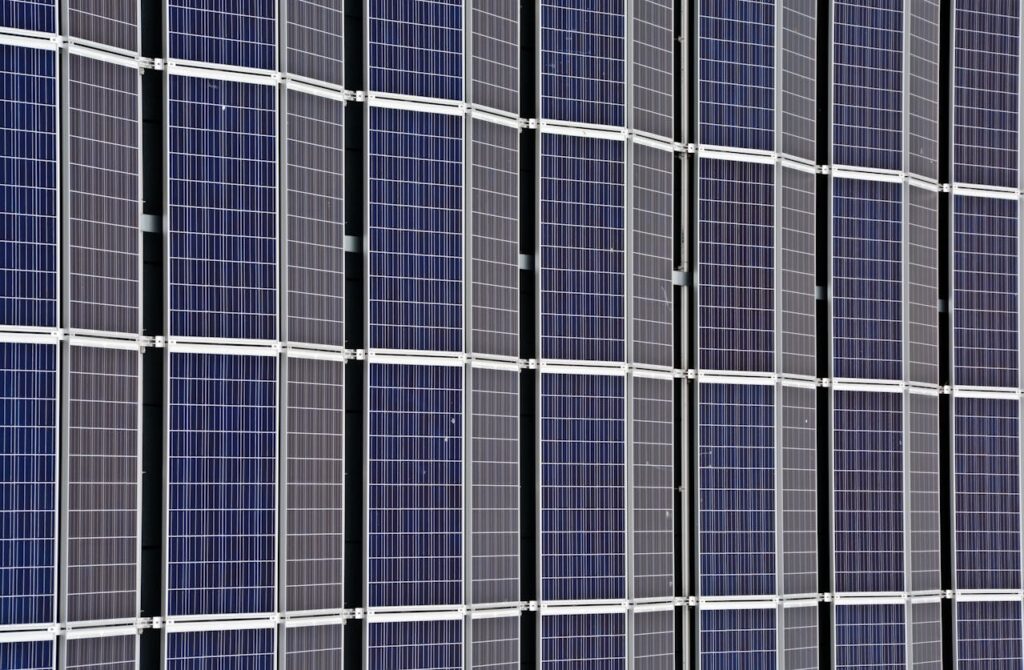
Modern construction methods continue to evolve as environmental concerns and long-term sustainability become central to design decisions. Solar energy is increasingly seen as a smart and practical solution to power steel buildings. Combining the two from the start creates an opportunity to maximize performance, lower costs, and reduce environmental impact.
Designing a metal building with solar energy in mind requires more than adding panels later. It involves careful planning and structural considerations that influence its layout.
Solar technology continues to improve, becoming more affordable and accessible. Metal buildings naturally complement solar systems due to their roofing materials and long-lasting structures. Understanding how to harmonize building design with solar goals allows property owners to support sustainable practices from day one.
Evaluating Energy Needs Early in the Design Process
Before choosing a solar power system or altering your metal building plans, it is important to assess how much energy your building will require. Energy needs depend on the purpose of the building, its size, location, and usage habits. A small workshop or storage facility may only need a minimal system, while a residential or commercial building might require a full-scale installation.
Creating an energy profile during the design stage allows you to align your building layout with your solar goals. List the appliances, tools, lighting systems, HVAC equipment, and electronic devices that will be used regularly. Estimate how often they will operate and calculate the total expected load. Include future plans such as electric vehicle charging or expanding usage to new spaces.
A clear understanding of energy demand helps you determine how much power your solar array must produce. It also informs battery capacity if you plan to store energy for use during cloudy periods or power outages. Tailoring your solar strategy to your actual needs ensures that you avoid overspending on capacity you will not use or underestimating demand.
Choosing the Right Roof Design for Solar Panels
The roof is one of the most critical elements in a solar-ready metal building. Since solar panels are mounted on the roof in most cases, its slope, orientation, and surface area directly influence solar performance. Metal roofs, especially standing seam types, are ideal for solar panel mounting because they offer secure attachment points without requiring penetrations that can lead to leaks.
South-facing roofs generally receive the most sunlight throughout the day in the northern hemisphere. A roof pitch of between fifteen and forty-five degrees helps capture the maximum amount of solar energy. Flat roofs can also accommodate solar panels using angled mounting racks, but they may require more structural support and additional hardware.
If you plan to install solar panels during or shortly after construction, select a roof design that supports this integration. Minimize roof obstructions such as chimneys, vents, or skylights that could cast shadows. Consider placing these features on the north or shaded side of the roof so that your prime solar exposure remains uninterrupted. A clean, unobstructed roof increases both solar efficiency and ease of installation.
Selecting Metal Roofing Materials That Complement Solar
Metal roofing materials come in a range of styles and coatings, each offering different benefits for solar panel integration. Standing seam metal roofs are among the most solar-friendly options because solar mounting brackets can be attached directly to the seams using clamps. This eliminates the need to drill into the roofing surface, preserving its integrity and weatherproofing.
Galvanized steel, aluminum, and copper are commonly used in metal roofing. Each has excellent durability and resistance to the elements. For solar compatibility, coated or painted metal surfaces with high reflectivity can reduce heat buildup and improve the overall efficiency of the solar system.
The lifespan of the metal roof should match or exceed the expected lifespan of the solar panels, which typically lasts twenty to thirty years. Since metal roofs can last fifty years or more with minimal maintenance, they provide a solid foundation that will not require replacement mid-way through your solar system’s lifecycle.
Accounting for Load and Structural Support
Solar panels add weight to your roof and must be supported by a structure capable of handling the load. Although metal buildings are typically strong, their frames and roof assemblies must be engineered to support the additional mass of solar equipment, especially in regions that experience snow or high winds.
Discuss load-bearing requirements with your architect or structural engineer early in the design phase. Reinforce the roof if necessary to prevent sagging or shifting once the solar panels are installed. This is particularly important for large-scale installations or buildings with long roof spans.
Structural integrity is not only about carrying weight. It also involves wind uplift resistance and the ability to maintain performance under dynamic weather conditions. Solar panels must remain secure and aligned to produce energy consistently. Designing the frame and fasteners with these conditions in mind prevents damage and ensures system longevity.
Site Orientation and Positioning for Maximum Sun Exposure
The placement of your building on the site determines how much sunlight the roof will receive. Orienting the longest side of the building to face south allows the roof to capture maximum sunlight throughout the day. Avoid placing the building in shaded areas where trees, hills, or neighboring structures block sunlight.
If southern exposure is not possible, east or west orientations can still work, although they may reduce total energy production. East-facing panels generate more energy in the morning, while west-facing panels perform better in the afternoon. Choose the best alignment based on your energy usage patterns and availability of sunlight on your property.
Incorporating site evaluation into the design phase gives you the flexibility to choose an optimal footprint and avoid the need for later adjustments. Survey your land thoroughly and use solar mapping tools or professional assessments to determine sun angles and hours of direct sunlight. Proper site orientation boosts your return on investment and enhances daily energy production.
Integrating Electrical Infrastructure for Solar Readiness
A building designed for solar energy must also include the necessary electrical infrastructure to support the system. This includes conduit pathways, inverter locations, grounding equipment, and panel connections. Installing this infrastructure during construction reduces costs and makes future solar panel installation easier and faster.
Set aside space in your building for inverter placement and battery storage if you plan to add energy storage. These systems require proper ventilation and protection from heat or moisture. Wiring must be routed cleanly and safely to connect the panels, inverters, and main service panel.
Including a dedicated electrical room or panel for solar makes future maintenance easier. It also allows your electrician to isolate the solar system if needed without disrupting the rest of the building. Planning for future upgrades such as smart meters, monitoring systems, or expansion also makes the building more future-proof.
Considering Battery Storage and Off-Grid Potential
If your building is in a remote location or you want backup power during outages, battery storage is a valuable addition to your solar system. Battery banks allow you to store excess energy during the day and use it at night or when the sun is not shining. They are also essential for off-grid systems that are not connected to a public utility.
Designing your building with space for batteries and proper ventilation ensures that these systems operate safely. Batteries can generate heat, require ventilation, and need to be accessible for inspection and service. Some systems may be located in separate utility sheds, while others may be housed in dedicated rooms within the building.
Plan ahead for the placement of charge controllers, battery monitors, and disconnect switches. Choose locations that protect the equipment from extreme temperatures or flooding. Designing the layout in harmony with battery storage avoids the need to retrofit or compromise interior space later on.
Cost Planning and Long-Term Financial Considerations
While solar systems involve an upfront investment, the long-term savings on energy bills can be substantial. When integrated into a new building design, the costs of solar panel installation are often lower than retrofitting an existing structure. Fewer labor hours are required, and installation is more straightforward when everything is prepared ahead of time.
In addition to energy savings, tax credits, rebates, and utility incentives can offset the cost of solar equipment. Research available programs in your region to take full advantage of financial assistance. Designing a building with solar in mind also boosts property value, as buyers are often willing to pay more for energy-efficient structures.
Financial planning should include estimated payback periods and return on investment. Include maintenance and monitoring costs to understand the full lifecycle of the system. Choosing durable components and designing for easy access helps minimize long-term service expenses.
Incorporating Passive Solar Design Principles
In addition to generating electricity, your building can benefit from passive solar design. This involves using the sun’s energy to heat or cool the interior naturally, reducing the need for artificial climate control. Orientation, window placement, insulation, and shading elements all contribute to passive solar performance.
Install larger windows on the south-facing side of the building to capture heat during the winter months. Use overhangs, shades, or vegetation to block excessive summer sunlight and prevent overheating. Choose thermal mass materials such as concrete floors or interior stone walls to absorb and release heat gradually.
Designing for natural light reduces the need for artificial lighting and enhances interior comfort. Roof-mounted skylights or clerestory windows can improve light distribution. Planning your layout to align with seasonal sun angles makes your building more comfortable and energy efficient year-round.
Ensuring System Scalability and Future Expansion
Energy needs may change over time. A building that starts as a simple workshop may grow into a full-time business space. Family needs may increase, or new technology may demand additional power. Design your building to support system expansion so you are not limited by your initial setup.
Allow roof space for more panels than you initially install. Use a racking system that can accommodate additions without starting from scratch. Include extra conduit or wiring capacity to avoid tearing into walls later. Choose an inverter that can handle increased loads or one that is easily swappable.
Thinking ahead during the design stage reduces the cost and complexity of scaling up your solar system. Flexible design allows your building to evolve with your energy needs and supports technological advances without major disruptions.
Collaborating with Professionals for the Best Results
Designing a solar-ready metal building is a complex process that benefits from expert input. Architects, engineers, electricians, and solar installers each bring valuable knowledge to the table. Involving these professionals early in the design process ensures that your building is safe, compliant, and optimized for solar performance.
Choose contractors and consultants with experience in solar integration and metal building construction. Ask for examples of past projects and discuss your goals clearly. A team that communicates well and shares your vision will guide you through decisions on layout, materials, and energy systems.
Working with professionals also ensures compliance with local codes and utility requirements. Permitting, inspections, and utility interconnections must be handled correctly to avoid delays or fines. Expertise ensures that your solar system works as intended and meets all legal and technical standards.
Conclusion
Designing your metal building with solar power in mind is a strategic decision that pays off in performance, efficiency, and sustainability. Early planning allows you to optimize roof design, electrical layout, and structural support for a seamless solar integration. Solar-ready buildings reduce operating costs, improve comfort, and support renewable energy goals.
Taking solar into account from the beginning of the design process maximizes your investment and minimizes future complications. You gain energy independence, reduce your environmental impact, and position your building to adapt to future needs. As solar technology continues to evolve, buildings that are ready to harness its potential will lead the way in sustainable development.